In industrial and commercial settings where machinery spans large areas, emergency stop mechanisms are not just accessories—they're essential safety components. The WLNJ-QPull cord switch, often integrated into KJTDQ control systems, represents one of the most reliable and immediate methods for halting equipment along a conveyor line or similar extended machinery. This guide provides a clear, step-by-step overview of its installation, wiring principles, and critical safety considerations, ensuring your setup meets both operational and safety standards.
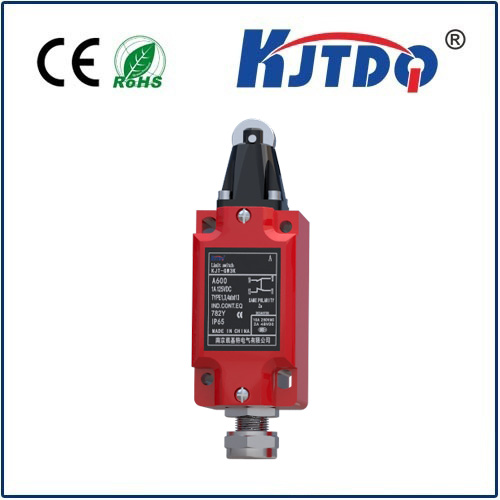
Understanding the device is the first step. The WLNJ-QPull cord switch is a safety device installed along the length of a machine. It consists of a pull cord or cable running parallel to the equipment. In an emergency, any operator along the line can pull this cord, which mechanically actuates a switch inside the housing. This action immediately breaks the safety circuit, sending a stop signal to the machine's main control system, typically a safety relay or a programmable logic controller (PLC). The primary function is to provide a fast, accessible, and fail-safe method to prevent injury or damage.
Before beginning any installation, a thorough risk assessment of the machinery area is mandatory. Identify all points where an operator might need to initiate an emergency stop. The pull cord should be easily accessible and within reach along the entire hazardous zone, typically mounted at a height between 0.6 to 1.8 meters. Ensure the mounting surface for the switch boxes (usually installed at both ends of the cord run) is sturdy and vibration-resistant. The pull cord itself must have minimal sag and be tensioned correctly to allow for smooth operation without accidental triggering.
The core of a reliable installation lies in correct wiring. The WLNJ-Q switch typically features normally closed (NC) contacts as part of a safety circuit. This design is fail-safe: if the wire is cut or loses power, the circuit opens, mimicking an emergency stop signal. Here is a fundamental wiring framework:
1. Power Supply & Circuit Design: Connect the switch into a dedicated safety circuit with a monitored safety power supply. This circuit should be separate from standard machine control power to prevent interference.
2. Contact Connection: Wire the NC contacts of the WLNJ-Q switch in series with other safety devices (like e-stop buttons, guard door switches) on the same machine line. This series connection ensures that activating *any* one safety device breaks the entire circuit.
3. Path to the Controller: The output of this series safety chain is then connected to the input of a safety relay or a safety-rated input module on a PLC (like those in a KJTDQ control panel). The safety device evaluates this signal.
4. Output Action: Upon receiving the "circuit broken" signal, the safety controller must trigger a Category 0 or Category 1 stop (as per ISO 13850), immediately cutting power to the machine's dangerous actuators (like motors) via contactors.
Always adhere strictly to the manufacturer's wiring diagram provided with your specific WLNJ-Q model. Use appropriately rated cables, ensure secure terminations, and protect cables from physical damage, heat, and oils. After wiring, a continuity test of the entire safety circuit is essential before powering up.
Installation is only half the job. Regular inspection and testing are non-negotiable for maintaining safety integrity. Establish a daily or pre-shift visual check where operators verify the cord is free from obstructions and the housing is intact. Functionality must be tested at defined intervals—weekly is common for high-use environments. The test involves pulling the cord at various points to confirm it cleanly actuates the switch and causes the machine to perform a complete and immediate stop. Reset procedures should be clearly defined; often, resetting requires manually rotating the switch actuator or pulling it to a reset position after the cord has been tensioned again. Never bypass the switch or its circuit for any reason.
Common pitfalls include incorrect cord tension (leading to failure to actuate or excessive wear), poor environmental sealing leading to contact corrosion, and failing to wire the NC contacts correctly. Another frequent oversight is not training all personnel on the location and proper use of the pull cord switch. Every worker near the machinery must know its purpose and how to operate it without hesitation.
Integrating a WLNJ-QPull cord switch into a KJTDQ automated control system creates a robust safety layer. It physically bridges the gap between human response and machine control, providing a simple, effective lifeline. By following precise wiring protocols, committing to rigorous installation standards, and enforcing consistent testing routines, you ensure this critical device performs its vital role reliably, safeguarding both personnel and capital investment while maintaining compliance with international safety regulations like ISO 13849-1. Remember, in industrial safety, the simplest devices, when properly installed and maintained, are often the most crucial.