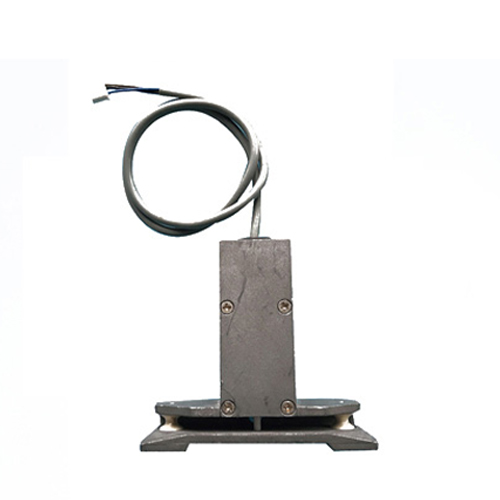
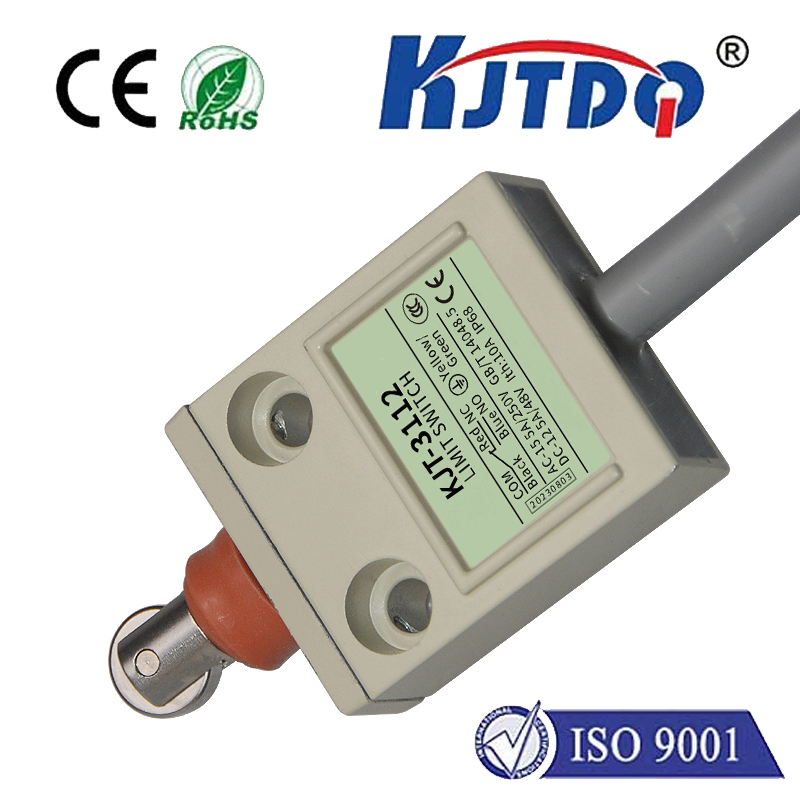
In industrial environments where conveyor systems are the backbone of operations, safety is not just a priority—it's a necessity. The Q50-TPull cord switch, often recognized under designations like KJTDQ, stands as a critical component in safeguarding personnel and equipment. This emergency stop device is engineered to provide immediate system shutdown in case of an emergency, ensuring that potential hazards are mitigated before they escalate into serious incidents.
The core function of the Q50-TPull cord switch is straightforward yet vital. Installed along the length of a conveyor belt, it features a prominently accessible pull cord or cable. In the event of an entanglement, material spillage, or any personnel danger, any operator along the line can quickly pull this cord. This action mechanically activates the switch, sending a stop signal directly to the conveyor's control system to halt operations instantly. This fail-safe mechanism is designed for simplicity, ensuring that even in high-stress situations, the response is intuitive and effective.
What sets the Q50-TPull cord switch apart is its robust construction tailored for harsh industrial settings. Typically built with a durable, corrosion-resistant metal housing, it withstands exposure to dust, moisture, and extreme temperatures. The internal switching mechanism is designed for high reliability and long service life, often featuring a direct-opening action that meets stringent safety standards like ISO 13850. This ensures that the safety function is maintained even under electrical fault conditions, providing a dependable layer of protection.
Installation and integration are key considerations for any safety device. The Q50-T switch is designed for flexibility, allowing mounting on either side of the conveyor frame. Its design often includes a highly visible actuator and labeling, ensuring it can be easily identified and accessed in an emergency. For modern automated facilities, many models offer complementary outputs that can integrate with programmable logic controllers (PLCs) or safety networks, enabling not just an emergency stop but also the logging of stop events for operational analysis and preventive maintenance.
Beyond basic functionality, regular inspection and testing are crucial to maintain the integrity of any pull cord safety system. Best practices recommend a routine check to ensure the pull cord moves freely without obstruction and that the switch resets and operates correctly after being activated. This proactive maintenance ensures the device remains in a state of operational readiness, a non-negotiable aspect of comprehensive plant safety protocols.
In sectors ranging from mining and aggregate processing to packaging and logistics, the consequences of a delayed emergency response can be severe. The deployment of reliable safety components like the Q50-TPull cord switch is a fundamental part of risk management strategies. It represents a commitment to creating a workplace where safety systems are visible, accessible, and utterly dependable, empowering every worker to act as a guardian of safety.
Ultimately, selecting a pull cord switch is about trusting a device with human safety and operational continuity. The Q50-T model, synonymous with reliability in safety catalogs, provides that trust through engineered durability, compliant design, and proven performance. It is more than just a switch; it is an integral part of the safety dialogue between machine and operator, ensuring that productivity never comes at the cost of personnel well-being.