Проверка
Проверка
Проверка
Проверка
Проверка
Проверка
In the world of HVAC systems, precision and reliability are non-negotiable. Among the myriad components that ensure these systems operate seamlessly, the limit switch stands out as a critical safety and control device. Specifically, Supco limit switches have carved a niche for themselves, known for their durability and consistent performance in demanding environments. This guide delves into the functionality, applications, and key considerations surrounding these essential components, providing valuable insights for technicians and engineers alike.
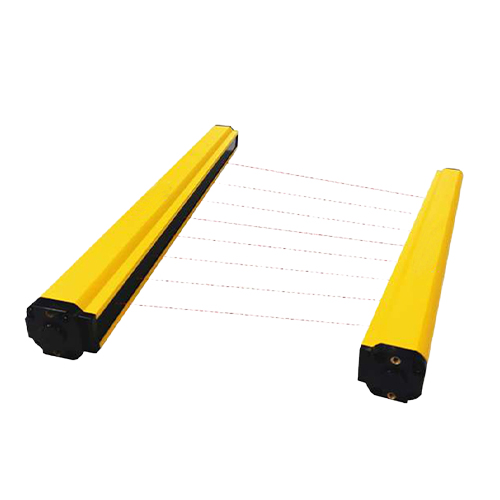
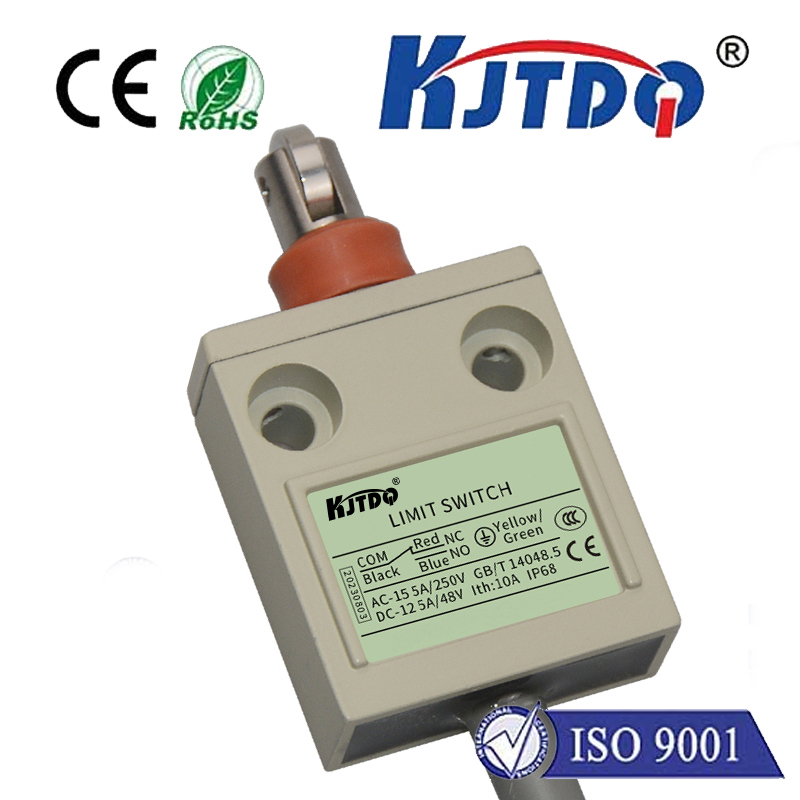
A limit switch, at its core, is a sensor that detects the presence or absence of an object, or monitors the position of a component, and triggers an action accordingly. In HVAC systems, it primarily serves as a safety mechanism. For instance, in furnaces, a limit switch will shut off the burner if the temperature inside the heat exchanger becomes excessively high, preventing potential damage or hazardous conditions. Similarly, in air conditioning units, it can interrupt the compressor circuit if abnormal pressures or temperatures are detected. Supco, as a reputable manufacturer in the refrigeration and HVAC parts industry, produces limit switches designed to meet rigorous standards, ensuring they respond accurately under varying operational stresses.
The design of Supco limit switches often incorporates robust materials to withstand temperature fluctuations, vibration, and exposure to contaminants. Many models feature a manual reset function, which requires a technician to physically intervene after a fault condition is cleared. This adds an extra layer of safety, ensuring the system is inspected before resuming operation. Common types include fan limit switches, which control the blower fan in a furnace based on plenum temperature, and pressure limit switches, used in refrigeration circuits to monitor high and low pressure thresholds.
Installation and maintenance of these switches are straightforward but demand attention to detail. Proper placement is crucial for accurate sensing. Technicians must ensure the switch's sensing element is in direct contact with the medium being monitored, such as air stream or a pipe surface, and that it is securely mounted to avoid false trips due to vibration. Regular testing is recommended as part of a preventive maintenance schedule. Using a multimeter, one can check for continuity to verify the switch opens and closes at its designated set points. Failure to do so might indicate a faulty switch that requires replacement to avoid system downtime or safety risks.
One of the common challenges HVAC professionals face is diagnosing issues related to limit switches. Symptoms like frequent system cycling, failure of the blower to start or stop, or a complete system shutdown can often be traced back to a malfunctioning limit switch. It might be stuck open, stuck closed, or have a drifted calibration. In such cases, referring to the manufacturer's specifications for the correct replacement part is vital. Supco provides clear documentation, including temperature or pressure ranges and electrical ratings, to aid in selecting the appropriate model for a specific application.
Beyond troubleshooting, understanding the integration of Supco limit switches within broader control systems enhances system efficiency. Modern HVAC designs increasingly incorporate these switches with electronic controllers and building management systems, allowing for remote monitoring and data logging. This connectivity helps in predictive maintenance, where trends in switch activation can signal underlying issues before they lead to major failures.
In summary, the Supco limit switch is more than just a simple safety cut-off; it is a guardian of system integrity and longevity. Its role in preventing equipment damage and ensuring operational safety cannot be overstated. For HVAC technicians, from seasoned veterans to those new in the field, mastering the knowledge of how these switches work, how to install them correctly, and how to troubleshoot them effectively is fundamental. Keeping a few common Supco models in your service vehicle can be a wise decision, as they are versatile and reliable components used across a wide range of residential and commercial systems. Always prioritize quality and specifications over cost when selecting a replacement, as the right limit switch ensures peace of mind and protects valuable HVAC assets.