In the intricate world of industrial automation, where precision and reliability are non-negotiable, the control of valves stands as a critical function. From managing the flow of water in treatment plants to regulating steam in power generation, the accurate positioning of valves is paramount. This is where the Fisher 304 Limit Switch emerges as an indispensable component, serving as the vigilant sentinel that confirms valve position and ensures seamless integration with control systems.
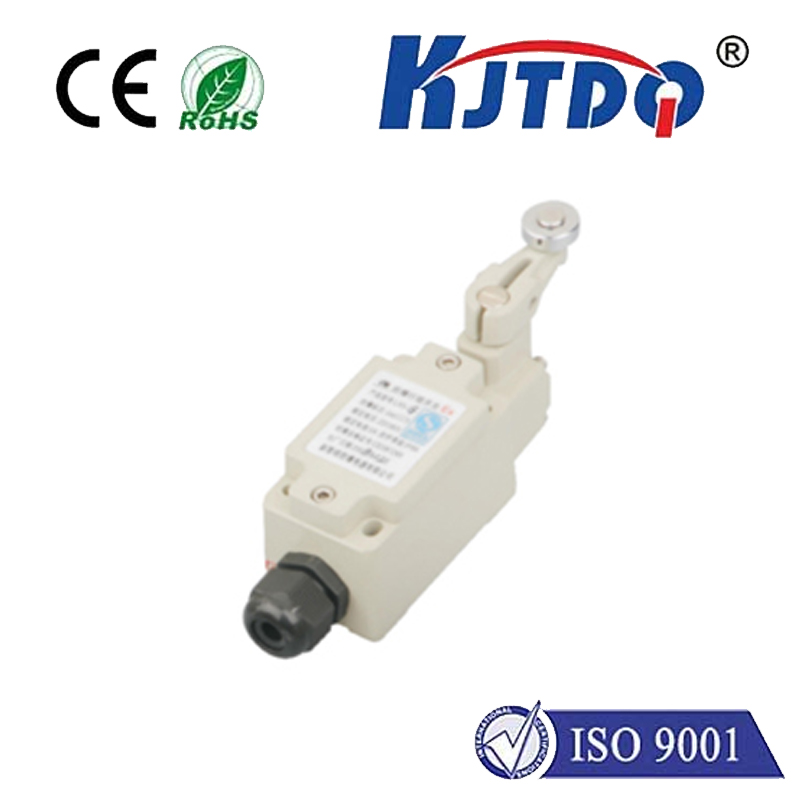
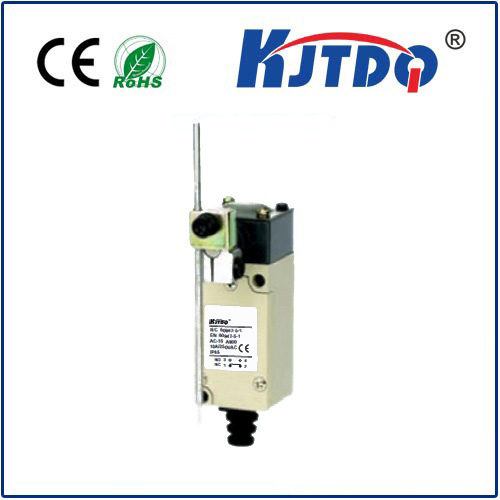
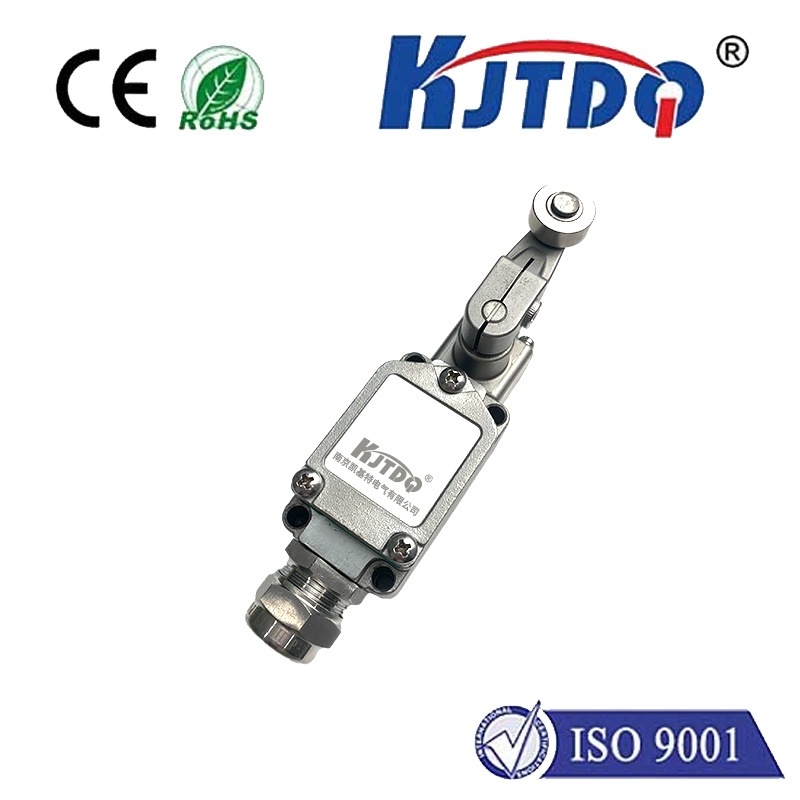
The Fisher 304 Limit Switch is more than just an accessory; it is a robust interface device designed to translate the mechanical movement of a valve into a clear, unambiguous electrical signal. Mounted directly on Fisher rotary or linear valve actuators, it monitors the valve's travel. When the valve reaches a pre-set open or closed position, the limit switch is actuated. This action changes the state of its electrical contacts, sending a definitive signal back to the central control room. This signal is the cornerstone of automated process control, allowing operators to have real-time, remote confirmation of valve status, enabling sequence logic, initiating alarms, and providing critical data for safety interlock systems.
What sets the Fisher 304 apart in a crowded market of position sensing devices? The answer lies in its design philosophy centered on durability and adaptability. Engineered for harsh industrial environments, its housing is typically constructed from rugged, corrosion-resistant materials like aluminum or stainless steel, offering protection against moisture, dust, and chemical exposure. The internal switching mechanism is built for longevity, capable of millions of reliable cycles. Furthermore, the 304 model is renowned for its flexibility. It often features adjustable cams or levers, allowing field technicians to fine-tune the actuation point with precision, ensuring the signal is sent exactly when the valve reaches its desired position. This adjustability eliminates the need for perfect mechanical alignment during installation, saving significant time and reducing complexity.
The applications for the Fisher 304 Limit Switch are vast and varied across numerous industries. In the oil and gas sector, they are deployed on pipeline valves, providing essential position feedback for isolation and control valves that manage the flow of crude oil, natural gas, and refined products. In water and wastewater treatment facilities, these switches monitor valves controlling the flow of water, chemicals, and sludge, ensuring processes operate within safe parameters. Power plants rely on them for boiler feedwater systems and steam turbine bypass valves, where precise control is vital for efficiency and safety. The chemical processing industry utilizes them on valves handling aggressive fluids, trusting in their robust sealing to prevent failures.
Integration is a key strength. The Fisher 304 is designed to work harmoniously with the broader Fisher field instrumentation ecosystem. Its outputs are compatible with standard discrete input modules of Distributed Control Systems (DCS) and Programmable Logic Controllers (PLC). The switch can be configured with various contact arrangements (SPDT, DPDT) and electrical ratings to match specific control voltage requirements. For enhanced diagnostics and communication, modern iterations or complementary modules can interface with digital protocols, feeding valve position data into asset management systems for predictive maintenance strategies.
Selecting and maintaining the correct limit switch is crucial for optimal performance. When specifying a Fisher 304, considerations include the type of actuator (rotary or linear), the required switching configuration, the electrical load, and the environmental conditions (temperature, hazardous area certifications like explosion-proof or intrinsically safe designs). Proper installation and periodic inspection are simple yet effective practices. Checking for secure mounting, verifying the adjustment of the actuation mechanism, and ensuring electrical connections are tight and free from corrosion can prevent unexpected downtime.
In conclusion, in the automated orchestration of industrial processes, the Fisher 304 Limit Switch performs a fundamental yet vital role. It provides the critical link between the physical movement of a valve and the digital intelligence of a control system. Its reliability, durability, and flexibility make it a trusted component for engineers seeking to enhance operational safety, improve process efficiency, and achieve greater control over their fluid handling systems. It is not merely a switch; it is the reliable guardian that confirms a command has been successfully executed, ensuring that every valve is precisely where it needs to be.