In the world of industrial lifting and material handling, precision and safety are non-negotiable. Cranes, the workhorses of construction sites, shipping ports, and manufacturing facilities, operate under immense loads and in complex spatial environments. A critical component that governs their safe travel and positioning is the often-overlooked rotary limit switch. Specifically designed for crane applications, this device is a cornerstone of automated control and hazard prevention.
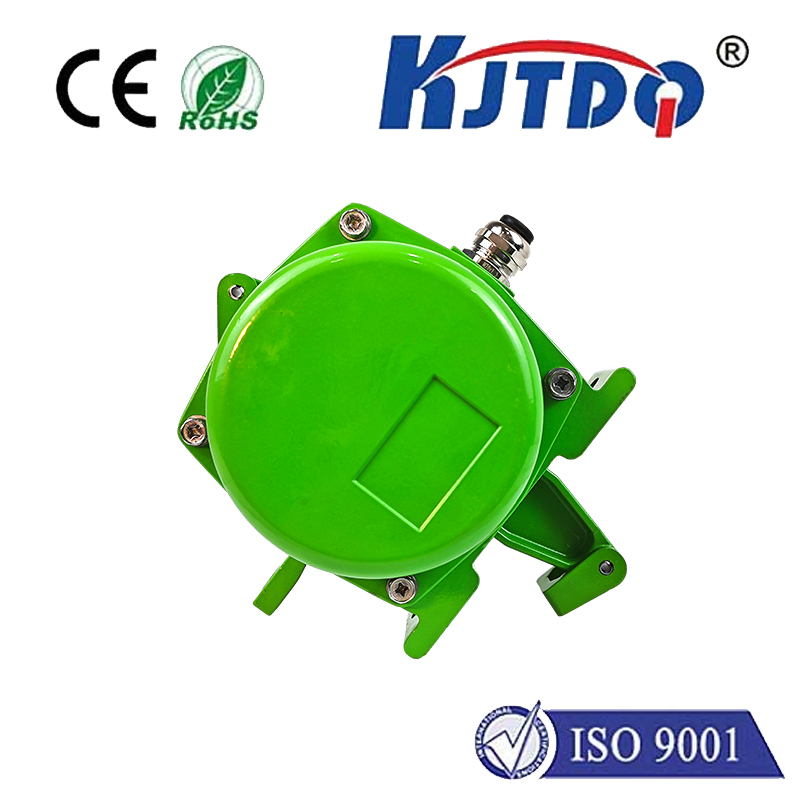
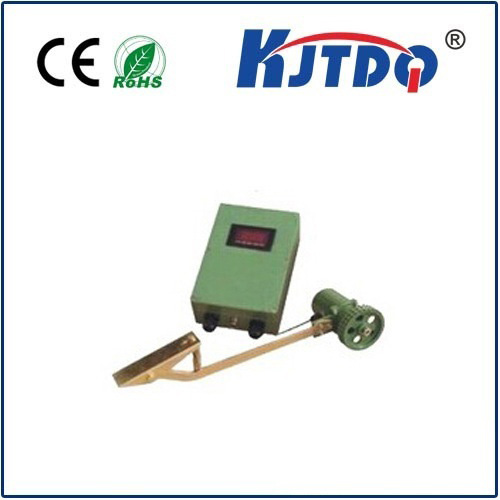
A rotary limit switch for a crane is an electromechanical device that monitors and controls the rotational movement of a crane's mechanisms, such as the hoist, trolley, or bridge travel. It is typically mechanically linked to the moving part of the crane. As the crane operates, the switch's shaft rotates. This rotation is translated into precise electrical signals that define set limits. When the crane's hook, trolley, or bridge reaches a pre-determined endpoint or a critical position, the switch activates. It interrupts the control circuit, sending a signal to cut power or change the direction of the motor, thereby preventing over-travel.
The consequences of a crane overrunning its intended path can be catastrophic. It can lead to collisions with other equipment, structural damage to the crane itself, or the dreaded two-blocking incident where the hook block contacts the boom tip, potentially causing load failure. A robust rotary limit switch acts as the final, reliable guard against these events. Unlike simple proximity sensors, a rotary switch provides absolute position feedback based on physical rotation, making it highly reliable and less susceptible to environmental interference like dust, moisture, or magnetic fields common in industrial settings.
Modern rotary limit switches for cranes offer advanced features beyond basic limit stopping. They enable programmable control zones, allowing for slow-down or creep speed areas before the final hard stop. This feature is invaluable for precise load spotting, enhancing operational efficiency while maintaining safety. Furthermore, these switches can provide feedback to the crane's control system and operator interface, offering real-time positional data. This integration is crucial for automated crane systems and for providing operators with clear situational awareness.
Durability is paramount. Crane duty rotary limit switches are built to withstand harsh conditions: extreme temperatures, constant vibration, shock loads, and exposure to corrosive elements like saltwater in port applications. High-quality seals protect internal components from ingress of dust and water, often meeting IP ratings suitable for heavy industry. The mechanical connection, usually through a chain, gear, or cam follower system, must be precisely calibrated and maintained to ensure the switch accurately reflects the crane's movement.
When selecting a rotary limit switch for a crane, several factors must be considered. The required number of switching points (for multiple limit positions), the switching capacity (electrical load), the mechanical input type (direct shaft, chain drive, gearbox), and the environmental protection rating are all critical. Compatibility with the existing crane control system, whether relay-based or modern PLC-controlled, is also essential. Regular inspection and maintenance of the switch and its linkage are as important as the initial selection, ensuring long-term reliability.
In conclusion, the rotary limit switch is far more than a simple safety cut-off; it is an intelligent control node integral to the smooth, safe, and efficient operation of modern cranes. By providing reliable positional control and hard-wired safety limits, it protects valuable assets, infrastructure, and, most importantly, personnel. For any operation relying on crane technology, investing in a high-quality, appropriately specified rotary limit switch is an investment in operational integrity and fundamental safety. It ensures that every lift begins and ends with confidence.