In industrial automation and machinery control, manual limit switches remain fundamental components despite advancements in sensor technology. These electromechanical devices serve as critical safety and control elements across various sectors, from manufacturing lines to material handling systems. Unlike automated sensors, manual limit switches require physical actuation by operators or machinery components to trigger electrical circuits, making them invaluable for specific applications where human intervention or mechanical contact detection is necessary.
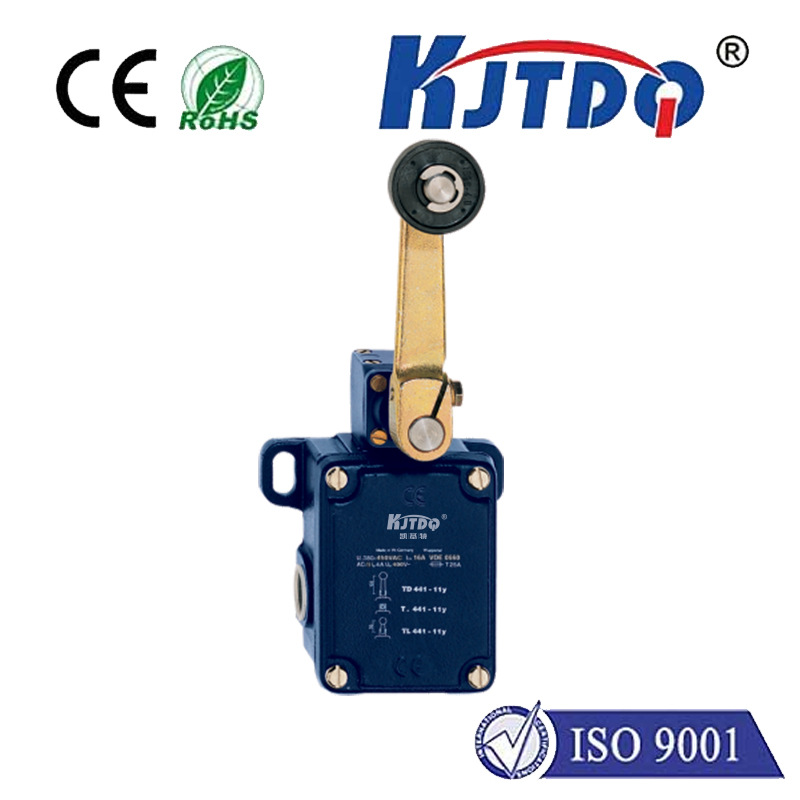
The operational principle of manual limit switches revolves around simple mechanics. A typical unit consists of an actuator (lever, roller, or plunger) connected to internal electrical contacts. When external force moves the actuator beyond a set point, it changes the contact state—either opening or closing the circuit. This action sends signals to control systems to stop, start, or change machine operations. Their design prioritizes durability, often featuring robust housings rated for harsh environments with dust, moisture, or temperature extremes. Common configurations include maintained-contact switches that remain in position until manually reset and momentary-contact switches that return automatically.
Industrial applications of manual limit switches are diverse. In conveyor systems, they act as emergency stop triggers or position indicators for goods. On machine tools, they define safe travel limits for moving parts, preventing collisions or over-travel. Elevators and hoists use them as final limit stops for cabin movement. Their reliability in fail-safe scenarios makes them preferred for safety-critical functions, where power loss or system failure shouldn’t compromise operational security. Installation practices emphasize precise positioning aligned with mechanical movement paths, ensuring consistent actuation without excessive force.
Selecting the right manual limit switch involves evaluating electrical ratings, actuator type, and environmental factors. Key specifications include voltage/current capacity, contact arrangement (normally open or closed), and mechanical life expectancy. For instance, heavy-duty switches with roller levers suit high-cycle applications, while compact plunger types fit space-constrained setups. Modern variants integrate sealed designs meeting IP67 standards for washdown areas or explosive atmospheres. Maintenance focuses on periodic inspection for wear, contact cleaning, and actuator alignment checks to prevent false triggering or failure.
Despite the rise of proximity sensors and IoT-enabled devices, manual limit switches persist due to advantages like simplicity, cost-effectiveness, and direct human control. They require no complex programming or external power for basic functionality, reducing system dependencies. In training scenarios, they allow operators to physically engage with control processes, enhancing safety awareness. Innovations have led to hybrid models combining manual actuation with digital feedback, bridging traditional and smart factory needs.
For industries prioritizing operational safety and mechanical reliability, integrating manual limit switches into equipment design remains a best practice. Their role in preventing machinery damage, protecting personnel, and ensuring process consistency underscores their enduring relevance. As automation evolves, these switches adapt through enhanced materials and connectivity, securing their place as indispensable components in industrial ecosystems.