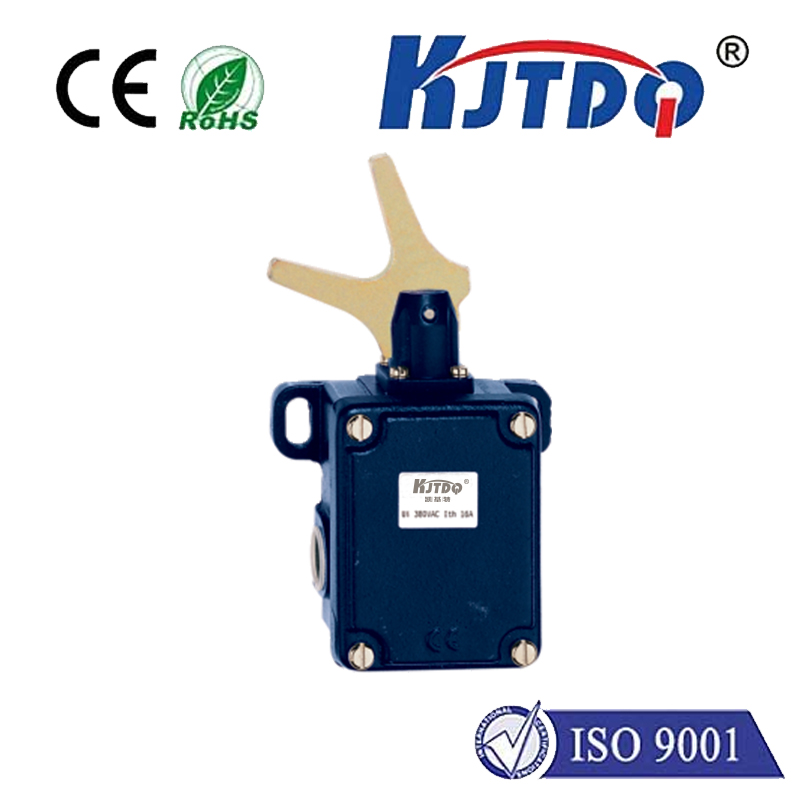
In the intricate world of industrial automation, where precision and reliability are non-negotiable, the pneumatic micro switch stands as a critical yet often understated component. This device, a marvel of electromechanical engineering, serves as the essential interface between pneumatic systems and electrical control circuits. Its primary function is to detect the presence or position of a pneumatic actuator, such as a cylinder, and convert that physical motion into a definitive electrical signal. This signal then commands the next action in a sequence, whether it's stopping a conveyor belt, activating a warning light, or indexing a machine to the next stage.
The operational principle of a pneumatic micro switch is elegantly simple. It is typically mounted on the body of a pneumatic cylinder. As the cylinder piston reaches a specific point in its stroke, it physically actuates a lever or plunger on the switch. This mechanical action internally moves a set of electrical contacts—with a very small travel distance, hence "micro"—from an open (OFF) state to a closed (ON) state, or vice versa. This rapid switching action provides a clear, binary signal that programmable logic controllers (PLCs) and other control systems can instantly interpret. The robustness of this mechanical switching, immune to the electrical noise that can plague purely solid-state sensors, makes it exceptionally reliable in harsh industrial environments filled with vibration, temperature fluctuations, and contaminants like oil or dust.
The advantages of integrating pneumatic micro switches into automation designs are manifold. First and foremost is their proven durability. With mechanical lives often rated in the millions of cycles, they offer long-term service with minimal maintenance. Their design simplicity translates to straightforward installation and troubleshooting; a technician can often diagnose a fault with a simple multimeter check. Furthermore, they provide a fail-safe, physically verifiable signal. An operator can see and feel the actuator engaging the switch, providing an immediate, tangible confirmation of machine position that virtual sensors cannot match. This is crucial for safety interlocks and precise positional control in applications like packaging machinery, material handling systems, automotive assembly lines, and clamping fixtures.
When selecting a pneumatic micro switch for a specific application, several key parameters must be considered. The electrical rating, including voltage and current (both AC and DC), must match the load it will control. The mechanical life expectancy should align with the required cycle rate of the machine. The type of actuator—roller lever, simulated roller lever, or straight plunger—must be chosen based on the direction and force of the cylinder's contact. Environmental sealing, denoted by IP (Ingress Protection) ratings, is vital to ensure performance in wet or dusty conditions. Finally, the precision of the switching point and the repeatability of its actuation are critical for processes demanding exact positioning.
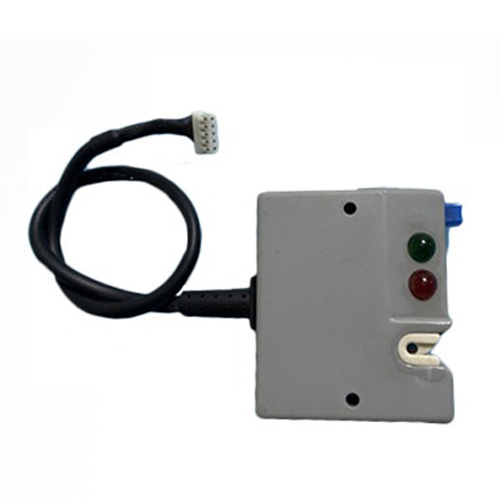
Modern advancements have further refined the classic pneumatic micro switch. Sealed versions with enhanced IP67 or IP69K ratings withstand washdowns in food and pharmaceutical processing. Switches with gold-plated contacts ensure reliable low-current switching for sensitive electronic signals. The integration of LED indicators provides visual status confirmation at the device itself, speeding up diagnostics. While proximity sensors offer contactless alternatives, the pneumatic micro switch remains irreplaceable in scenarios demanding absolute positional certainty, high noise immunity, and robust physical feedback.
In conclusion, the pneumatic micro switch is far more than a simple on/off device. It is a fundamental pillar of deterministic control in automated pneumatic systems. Its role in translating precise physical movement into a trustworthy electrical command underpins the efficiency, safety, and repeatability of countless industrial processes. For engineers designing or maintaining automation equipment, understanding and correctly applying this versatile component is key to building systems that are not only smart but also steadfastly reliable under real-world operating pressures.