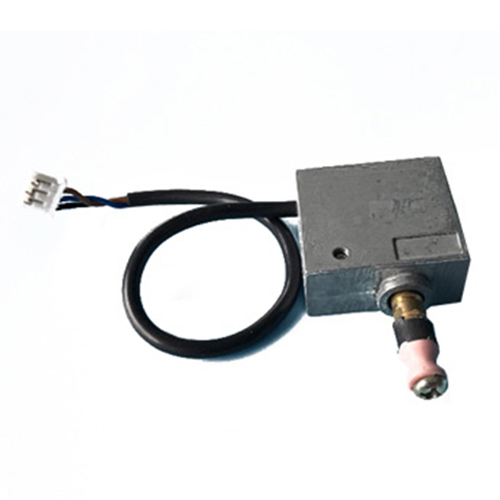
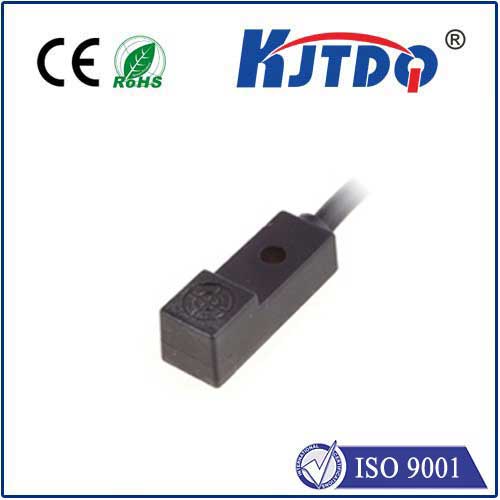
In the intricate world of automation and control systems, where precision and reliability are non-negotiable, a single component often plays a disproportionately critical role. The micro switch, particularly the 24V DC variant, stands as one such unsung hero. Far more than a simple on-off device, a 24V micro switch is a meticulously engineered sensor-actuator, designed to provide consistent, accurate, and safe switching in countless applications. Its operation is elegantly simple: a small physical movement of its actuator—be it a lever, roller, or button—triggers a rapid "snap-action" mechanism inside a sealed housing. This action instantly opens or closes an electrical circuit with a distinct, audible click. The 24V DC specification is crucial, as it represents a common standard for control voltages in industrial, automotive, and consumer electronics, offering an optimal balance between safety, efficiency, and compatibility.
The defining characteristic of a quality 24V micro switch is its snap-action mechanism. Unlike slow-acting switches, the snap-action ensures the contacts open and close quickly, regardless of the speed of actuator movement. This minimizes arcing, which is the formation of an electrical plasma that can erode contacts over time. By reducing arcing, the switch enjoys a dramatically extended operational life, often rated for millions of cycles. This longevity is paramount in applications like automated production lines, where a switch might be actuated thousands of times per hour. The sealed housing is another key feature, protecting the sensitive internal components from dust, moisture, oil, and other environmental contaminants commonly found in factories, vehicles, and outdoor equipment. This robustness translates directly into reduced maintenance costs and enhanced system uptime.
Exploring the practical applications of the 24V micro switch reveals its vast importance. In industrial automation, they are ubiquitous as limit switches. They provide precise positional feedback by detecting the presence or limit of travel of a machine part, such as a robotic arm, conveyor belt, or CNC machine tool, ensuring movements are accurate and repeatable. Within the automotive industry, these switches are found in door latch mechanisms, power window controls, and brake pedal position sensors, where their reliability directly impacts safety and convenience. Office equipment like printers and copiers use them to detect paper jams or tray positions. Even in household appliances—microwave doors, refrigerator lids, and washing machine lids—the 24V micro switch acts as a vital safety interlock, preventing operation when access doors are open.
Selecting the right 24V micro switch for a specific task requires careful consideration of several technical parameters beyond just the voltage rating. The current rating (both AC and DC) must match or exceed the load it will control; using an under-rated switch can lead to premature failure. The type of actuator (lever, roller lever, simulated roller, pin plunger) must be chosen based on the direction and nature of the physical force it will receive. Electrical termination options, such as solder lugs, quick-connect tabs, or wire leads, affect installation ease. Operators must also consider the mechanical life (number of physical actuations) versus the electrical life (number of switching cycles under load), as they can differ significantly. Finally, certifications from bodies like UL, CSA, or VDE are often essential for compliance in different markets, guaranteeing the switch meets stringent safety and performance standards.
The future of the 24V micro switch continues to evolve alongside technology. While the fundamental snap-action principle remains unchanged, manufacturers are constantly innovating. Trends include miniaturization for ever-smaller electronic devices, the integration of advanced materials for higher temperature resistance, and designs that offer even lower actuation force for sensitive applications. Furthermore, the rise of the Industrial Internet of Things (IIoT) is seeing the development of "smart" switches with embedded diagnostics or communication capabilities, though the classic, reliable 24V micro switch will remain the backbone of basic control logic for decades to come. Its combination of simplicity, durability, and cost-effectiveness is nearly impossible to surpass for basic detection and control tasks.
In conclusion, the 24V micro switch is a cornerstone of modern electromechanical design. Its role is critical yet often overlooked, silently ensuring the smooth, safe, and efficient operation of machines we interact with daily. From heavy industrial machinery to the appliance in your kitchen, the reliable "click" of a 24V micro switch represents a point of certainty in a complex system. For engineers and designers, understanding its specifications, applications, and selection criteria is fundamental to creating robust and dependable automated solutions. Its enduring presence is a testament to a design philosophy where reliability, precision, and practicality converge.