In the world of industrial automation and motion control, precision and reliability are non-negotiable. Among the myriad components that ensure systems operate flawlessly, the stepper limit switch stands out as a critical guardian of both accuracy and safety. This device, often overlooked, is fundamental in defining the boundaries of movement for stepper motors, preventing mechanical overtravel, and protecting equipment from potential damage.
A stepper limit switch is essentially a sensor or switch mechanism designed to detect the physical limits of a stepper motor's travel. Stepper motors are renowned for their precise control of position, speed, and rotation, making them ideal for applications like CNC machines, 3D printers, robotic arms, and medical devices. However, without proper boundary control, these motors can drive mechanisms beyond their intended range, leading to collisions, jams, or even catastrophic failure. This is where the limit switch comes into play. It acts as a sentinel, signaling the control system to halt or reverse the motor once a preset limit is reached.
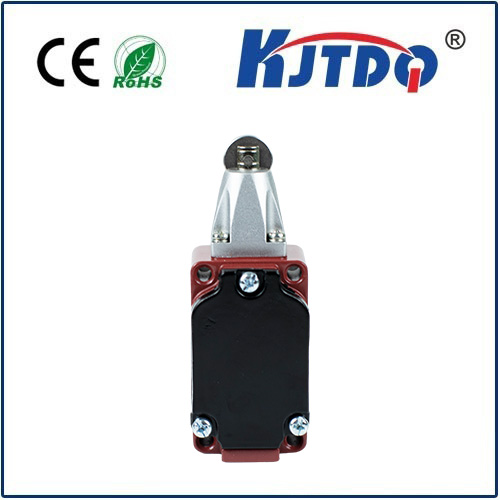
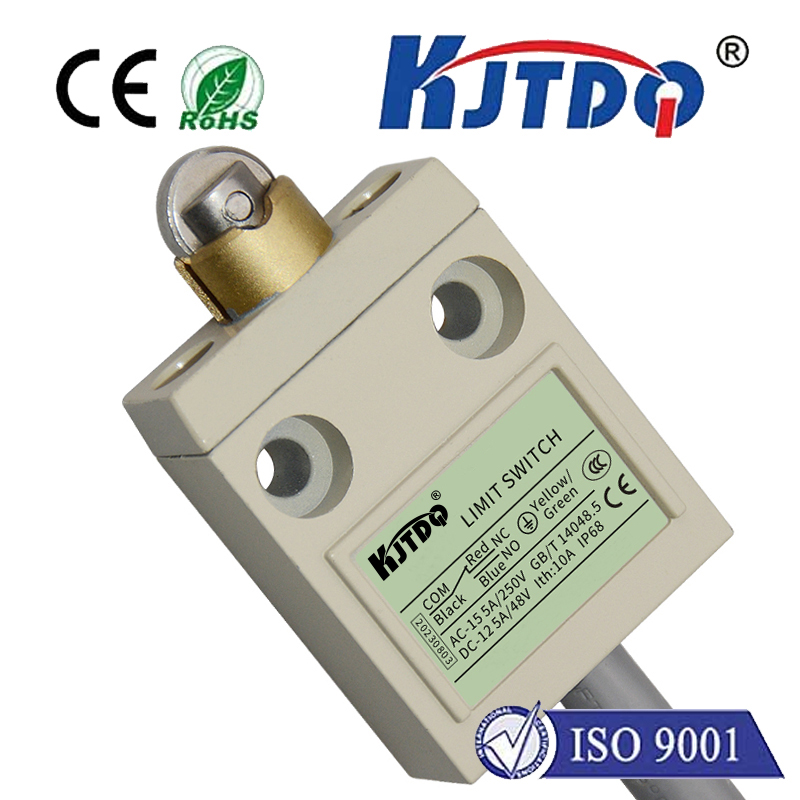
The operation of a stepper limit switch is elegantly straightforward. Typically, it consists of an actuator—such as a lever, roller, or plunger—mechanically linked to an electrical switch. When the moving part of a machine contacts the actuator, it triggers the switch to change state (open or close a circuit). This electrical signal is then read by the motor controller or programmable logic controller (PLC), which executes a predefined response, like stopping the motor or initiating a homing sequence. This process ensures that movement is confined to a safe operational envelope, enhancing both the longevity of the machine and the safety of operators.
Why is integrating a stepper limit switch so vital? Firstly, it prevents hardware damage. In high-precision setups, even minor overtravel can bend leadscrews, damage linear guides, or misalign critical components. By installing limit switches at both ends of travel, machines can avoid these costly mishaps. Secondly, it enables reliable homing and reference positioning. Many automated systems require a known starting point, or "home" position, to ensure repeatable operations. Limit switches provide a consistent physical reference for the controller to calibrate from, which is crucial for tasks like part alignment or tool changes. Thirdly, it adds a layer of safety. In environments where humans interact with machinery, limit switches can serve as emergency stops or interlock devices, reducing the risk of injury.
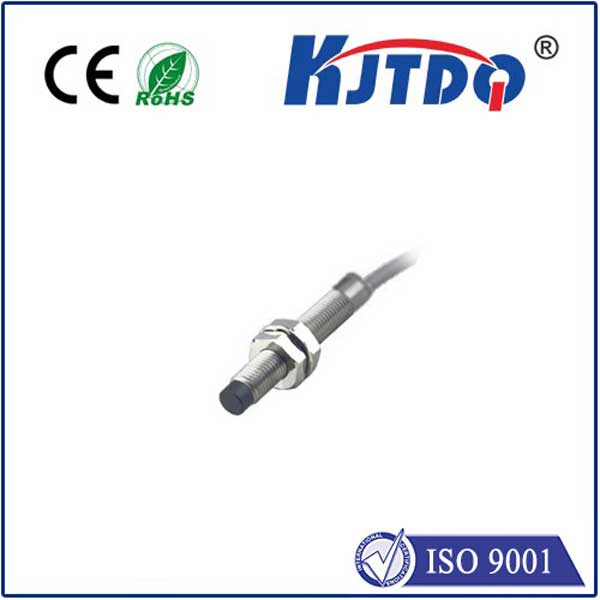
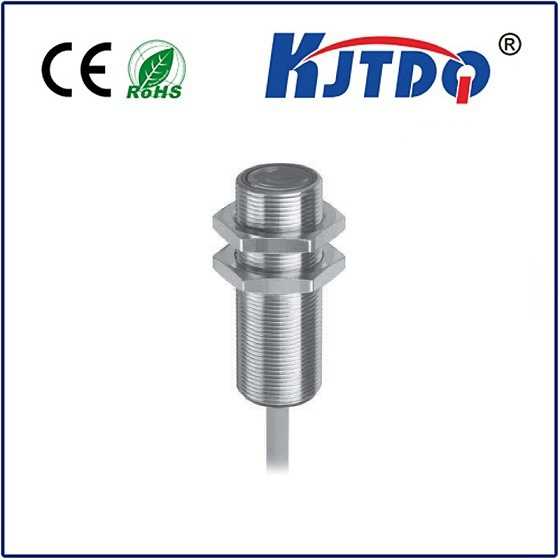
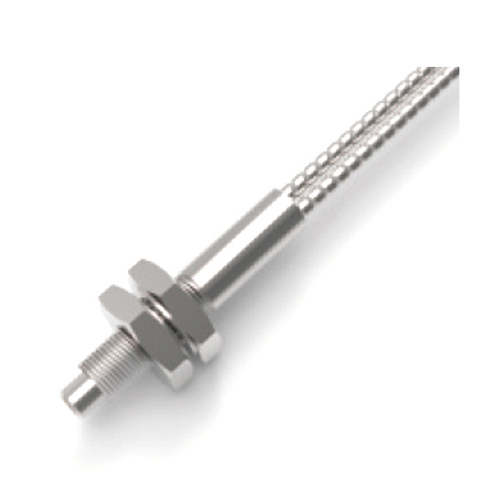
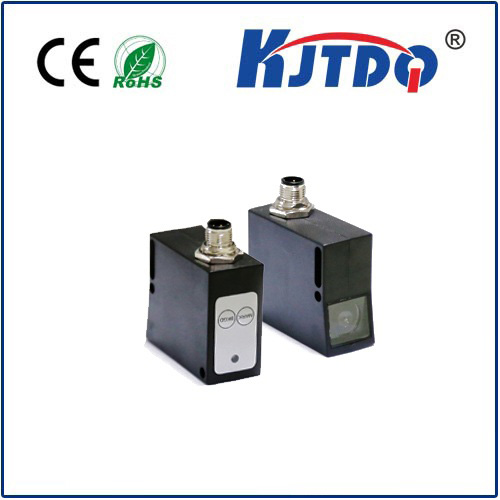
Selecting the right stepper limit switch depends on several factors. Consider the operating environment: for dusty or wet conditions, sealed switches with high ingress protection (IP) ratings are necessary. The actuation force and travel distance should match the mechanical load—for instance, a delicate 3D printer might use a low-force microswitch, while an industrial press may require a heavy-duty limit switch with a robust lever. Electrical compatibility is also key; the switch's voltage and current ratings must align with the control system. Additionally, some advanced applications benefit from proximity sensors or optical limit switches, which offer non-contact detection for higher speed or reduced wear.
Installation and maintenance are straightforward but demand attention. Switches should be mounted securely to avoid vibration-induced false triggers. Regular checks for physical wear, corrosion, or loose connections can prevent unexpected downtime. In modern setups, limit switches are often integrated with software limits in the controller, creating a dual-layer protection system. This combination ensures that even if a switch fails, the software can provide a backup stop signal based on motor step counts.
In conclusion, the stepper limit switch is a small yet indispensable component in automated systems. It bridges the gap between the digital control of stepper motors and the physical world, enforcing boundaries that safeguard equipment, ensure precision, and promote safety. Whether in a hobbyist's 3D printer or a factory-floor robot, its role in enabling reliable and efficient motion cannot be overstated. By understanding and implementing these switches correctly, engineers and technicians can build systems that not only perform with accuracy but also stand the test of time.