In industrial automation and machinery control, precision and reliability are non-negotiable. Among the myriad components that ensure seamless operation, the limit switch plays a pivotal role. Specifically, the Jigo limit switch has garnered attention for its robust performance in various demanding applications. This guide delves into the functionality, types, applications, and key considerations for selecting and maintaining Jigo limit switches, providing essential insights for engineers and procurement specialists.
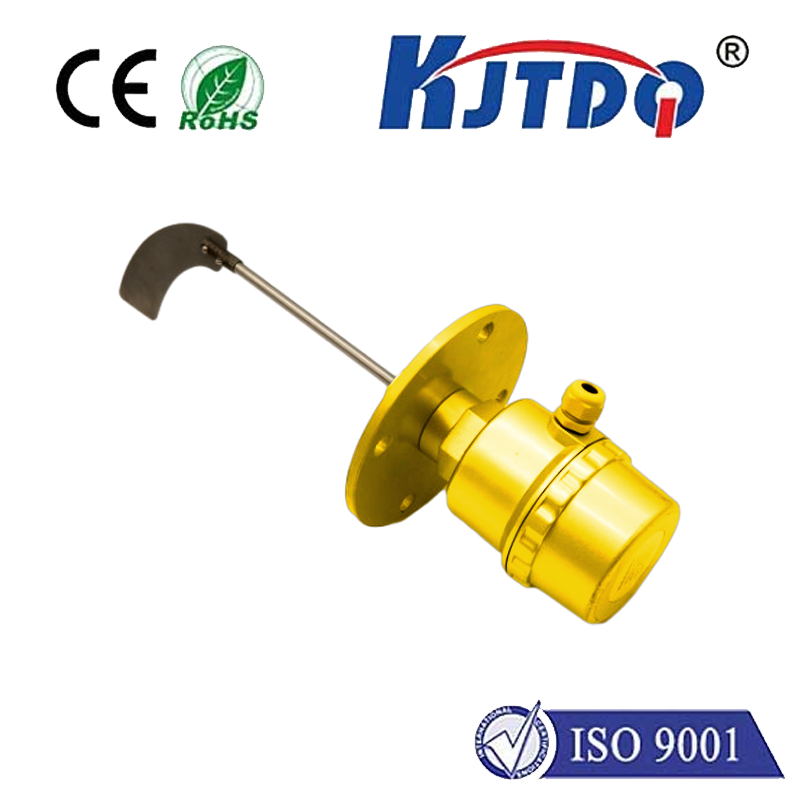
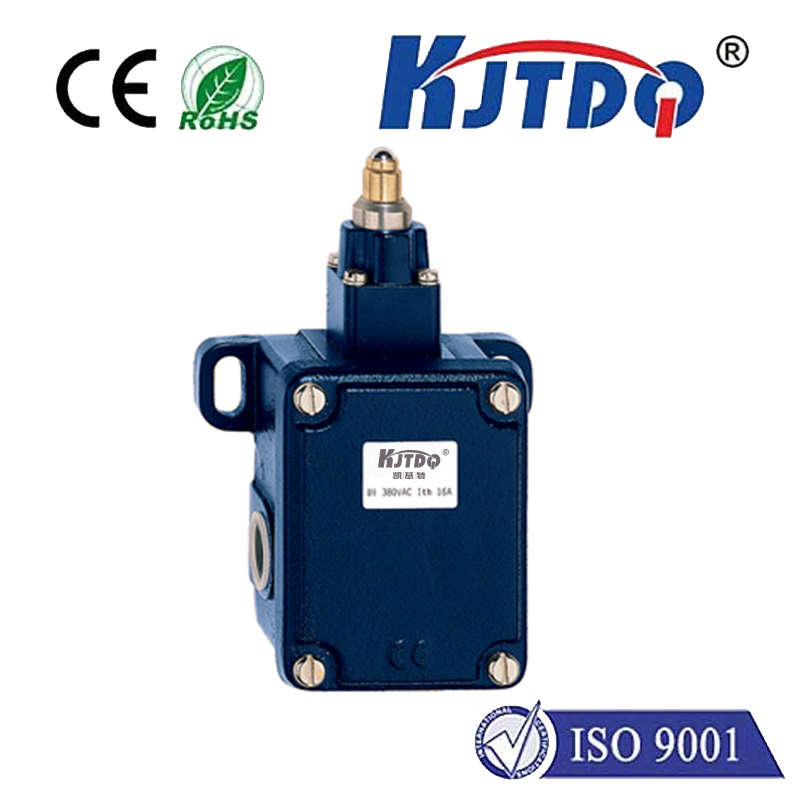
A limit switch is an electromechanical device that detects the presence or absence of an object, or monitors the movement of a machine part, and sends a corresponding signal to a control system. The Jigo limit switch is designed to perform this task with high durability and accuracy. Its construction typically involves a rugged housing that protects internal contacts from environmental hazards like dust, moisture, oil, and mechanical impact. The actuator—the part that makes physical contact—comes in various forms such as lever, roller, or plunger types, allowing it to be tailored to specific mechanical motions.
The operational principle is straightforward. When a machine part or object contacts the actuator, it triggers the switch to change the state of its electrical contacts—either opening or closing a circuit. This simple action can initiate, halt, or change a sequence in a machine's operation. For instance, in an automated conveyor system, a Jigo limit switch can be positioned to detect when a product reaches the end of the line, signaling the system to stop or divert the item. This prevents overtravel, jams, or damage, enhancing both safety and efficiency.
Jigo limit switches are available in several configurations to suit diverse industrial needs. Common types include precision snap-action switches, heavy-duty limit switches, and miniature models. The choice depends on factors like required electrical rating, mechanical life expectancy, environmental conditions, and the force needed to actuate the switch. Many Jigo models offer features like sealed bodies for washdown environments common in food processing, or high-temperature resistance for foundries and furnace applications.
The applications of Jigo limit switches are vast. They are integral in material handling equipment, packaging machinery, automotive assembly lines, and CNC machine tools. In robotics, they serve as end-of-travel sensors to define the safe operational range of robotic arms. In elevator systems, they ensure the cab stops precisely at each floor level. Their reliability makes them a cornerstone in safety interlock systems, where a failure could lead to equipment damage or personal injury.
Selecting the right Jigo limit switch requires careful analysis. First, define the mechanical requirements: the type of actuator, operating force, and repeat accuracy. Next, consider the electrical specifications: voltage, current (both AC and DC), and the type of load (inductive, resistive, etc.). Environmental factors are crucial; ingress protection (IP) ratings indicate resistance to solids and liquids. For harsh conditions, look for switches with high IP ratings (e.g., IP67). The expected mechanical life, often rated in millions of operations, should align with the application's duty cycle.
Installation and maintenance are key to longevity. Proper mounting ensures the actuator engages correctly without undue stress. Regular inspection for wear on the actuator arm or roller is advised. Contacts should be checked for signs of arcing or corrosion, especially in high-cycle applications. While Jigo limit switches are built for durability, following manufacturer guidelines for cleaning and lubrication (if specified) will prevent premature failure.
A common challenge is false triggering or failure to trigger. This can stem from misalignment, actuator wear, or environmental contamination. Troubleshooting involves verifying the physical setup, checking for loose wiring, and testing the electrical continuity. Using a switch with a slightly higher force rating than theoretically necessary can sometimes improve reliability in vibrating environments.
In the evolving landscape of Industry 4.0, the humble limit switch remains indispensable. While advanced sensors like proximity sensors or vision systems offer contactless detection, the Jigo limit switch provides a cost-effective, simple, and highly reliable solution for position detection where physical contact is acceptable or even preferred for its positive feedback. Its straightforward interface with PLCs (Programmable Logic Controllers) and other control systems ensures it will remain a staple in industrial design.
For businesses seeking to optimize their machinery's performance and safety, understanding and correctly implementing components like the Jigo limit switch is fundamental. It represents a critical link between mechanical movement and control logic, ensuring processes run smoothly, products are manufactured consistently, and operators are kept safe. By choosing a reputable supplier and adhering to best practices in selection and maintenance, companies can maximize uptime and productivity, making the Jigo limit switch a small component with a significant impact on operational success.