In the world of vertical transportation, the reliability of an elevator or lift system is non-negotiable. At the heart of this reliability lies a seemingly small but critically important component: the limit switch. Specifically designed for lift applications, a limit switch acts as a vigilant sentinel, ensuring the cab operates within its designated safe travel path. This article delves into the function, importance, and selection criteria for the right limit switch for lift systems.
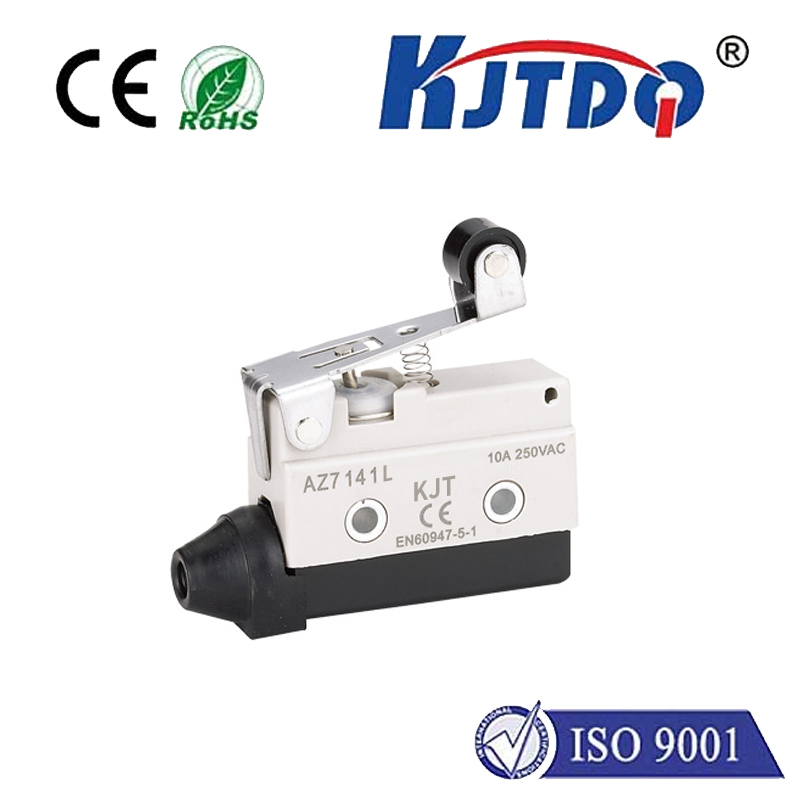
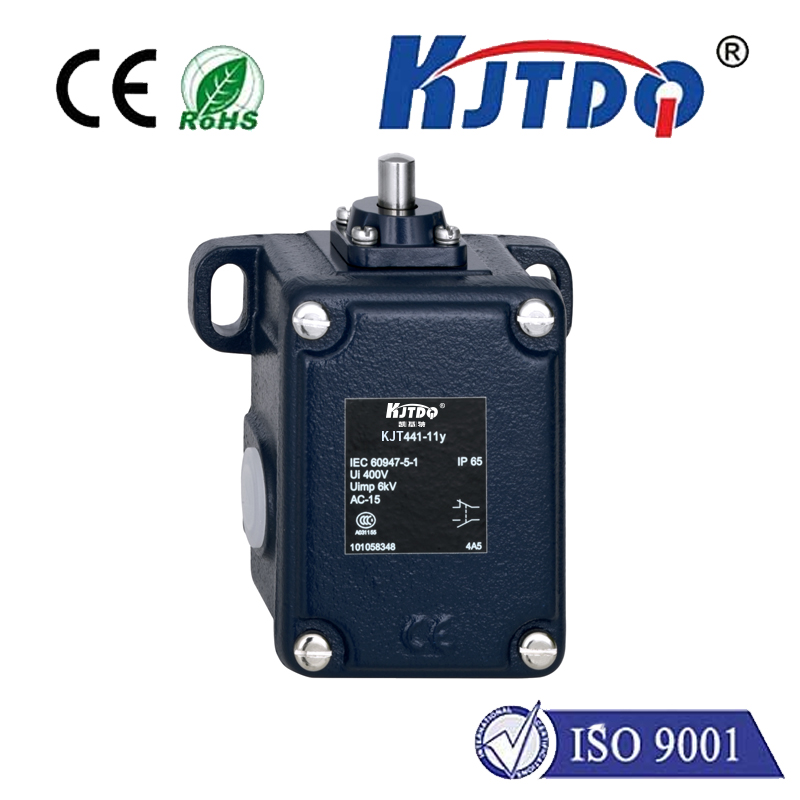
A limit switch for a lift is an electromechanical device that monitors the position of the elevator car. It is strategically installed at the extreme top and bottom of the elevator shaft, and sometimes at intermediate landing points. Its primary function is to cut off power to the drive motor or apply the brake when the elevator car reaches a predetermined limit of its normal travel, preventing overtravel. Overtravel—moving beyond the top or bottom floor—is not just an operational hiccup; it poses severe risks including mechanical damage, cable derailment, or even a catastrophic crash. Therefore, a robust limit switch is a fundamental safety requirement mandated by international elevator codes and standards.
The operational principle is straightforward yet effective. As the elevator car ascends or descends, an actuator arm or roller on the car physically engages with the limit switch. Upon contact at the limit point, the switch's internal contacts change state—typically opening to break the control circuit. This immediate action signals the control system to halt movement. High-quality limit switches for lifts are built to endure millions of cycles, resisting environmental challenges like dust, vibration, and temperature fluctuations present in elevator shafts.
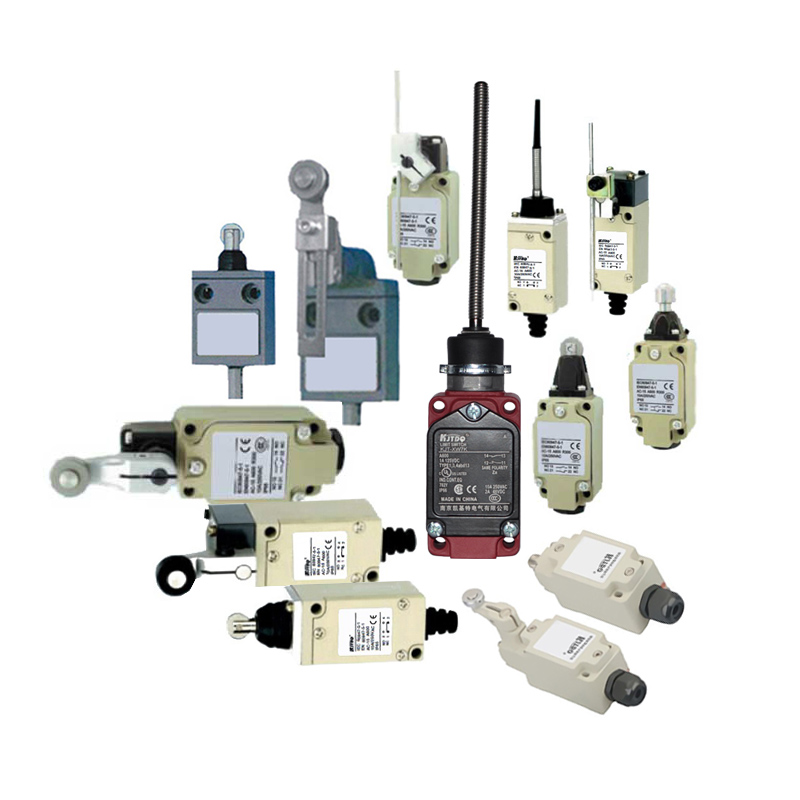
Choosing the correct limit switch for a lift involves several key considerations. First is mechanical durability. The switch must withstand constant physical actuation without failure. Look for switches with high-grade actuators and robust housings, often rated IP65 or higher for dust and moisture resistance. Second is electrical rating. The switch must reliably handle the voltage and current of the control circuit it interrupts. Third is precision and repeatability. The switch must actuate at the exact same point every time to ensure consistent stopping accuracy. Finally, compatibility with the lift's control system, whether traditional relay-based or modern microprocessor-based, is essential.
Beyond the primary top and bottom final limits, modern lift systems utilize a series of limit switches for enhanced functionality. These can include deceleration or slowdown switches that initiate a controlled stop as the car approaches a floor, and zone limit switches for more complex, multi-zone buildings. Regular inspection and maintenance of these switches are as crucial as their initial installation. Technicians should check for physical wear on the actuator, clean contacts, and verify precise alignment and operation during routine service schedules.
The consequences of a failed limit switch can be severe, leading to service disruptions, costly repairs, and compromised passenger safety. Investing in premium, certified limit switches from reputable manufacturers is not an area for compromise. These components are engineered for fail-safe operation, often featuring redundant contacts or sealed designs to prevent contact contamination.
In conclusion, the limit switch for a lift is a quintessential safety device that operates silently in the background. Its role in preventing overtravel and ensuring precise floor alignment is indispensable for the safe, smooth, and reliable operation of any vertical transport system. For building managers, maintenance professionals, and elevator manufacturers, understanding and prioritizing the quality and maintenance of these switches is a direct investment in operational integrity and passenger trust. As elevator technology advances with smarter controls, the fundamental mechanical reliability of components like the limit switch remains the unwavering foundation of safety.