In the world of industrial automation and electrical control systems, precision and reliability are paramount. Among the myriad of components that ensure the seamless operation of machinery, the 2 pole limit switch stands out as a fundamental yet critical device. This guide delves into the intricacies of this component, exploring its function, applications, and why it remains a staple in modern engineering.
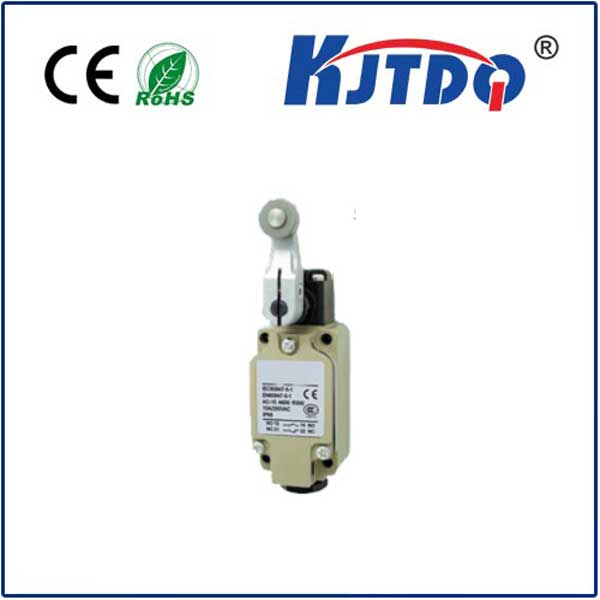
A 2 pole limit switch is an electromechanical device designed to detect the presence or absence of an object, or to monitor the position of a machine part. The term "2 pole" refers to the switch's internal configuration, which includes two separate sets of contacts that can open or close a circuit independently. This dual-contact design allows for greater control flexibility, enabling the switch to manage two different electrical circuits simultaneously or provide a backup safety function. Typically, these switches are actuated by physical contact with a moving part, such as a cam, lever, or plunger, making them ideal for applications requiring precise positional control.
The operational principle of a 2 pole limit switch is straightforward yet effective. When an actuator—like a machine arm or door—makes contact with the switch's lever, it triggers a mechanical movement inside the switch body. This movement causes the internal contacts to change state, either opening (breaking) or closing (making) the electrical circuit. The two poles operate independently, meaning one set of contacts might be normally open (NO) while the other is normally closed (NC), or both can be configured based on the specific needs of the system. This versatility allows engineers to design complex control sequences, such as starting a motor when one contact closes while simultaneously sending a stop signal if the other contact opens, enhancing both functionality and safety.
Applications of 2 pole limit switches are vast and varied across industries. In manufacturing, they are commonly used in conveyor systems to detect when products reach the end of a line, triggering sorting mechanisms or stopping the belt to prevent jams. In robotics, these switches serve as end-of-travel sensors, ensuring that robotic arms do not exceed their designated range of motion, which could lead to damage or accidents. The automotive sector relies on them for assembly line automation, where they monitor the position of components during welding or painting processes. Additionally, in HVAC systems, 2 pole limit switches act as safety devices, cutting power to heaters if airflow is restricted, thereby preventing overheating and potential fires. Their robustness and reliability make them suitable for harsh environments, including those with dust, moisture, or extreme temperatures, provided they are housed in appropriate enclosures.
When selecting a 2 pole limit switch for a project, several factors must be considered to ensure optimal performance. First, the electrical rating—including voltage and current capacity—should match the system's requirements to avoid switch failure or hazardous conditions. Next, the mechanical durability is crucial; switches with high repeatability and long operational life, often rated for millions of cycles, are preferred for demanding applications. The type of actuator (e.g., roller lever, plunger, or whisker) should be chosen based on the motion being detected, with roller levers being ideal for linear movements and plungers for precise point detection. Environmental conditions also play a key role; for outdoor or wet areas, switches with IP67 or higher ingress protection ratings are necessary to resist water and dust. Finally, compliance with industry standards, such as UL, CE, or IEC, ensures the switch meets safety and quality benchmarks, providing peace of mind for engineers and operators alike.
Despite the rise of proximity sensors and other non-contact technologies, the 2 pole limit switch remains relevant due to its simplicity, cost-effectiveness, and tactile feedback. Unlike sensors that may be affected by electromagnetic interference or require complex calibration, mechanical limit switches offer a direct, physical response that is easy to install and troubleshoot. They provide a fail-safe mechanism in many systems, where a loss of power or signal in a sensor could go unnoticed, but a mechanically actuated switch will physically break the circuit, immediately halting operation. This reliability is why they are often used in safety-critical applications, such as elevator door controls or industrial presses, where human safety depends on precise and dependable switching action.
In conclusion, the 2 pole limit switch is a versatile and indispensable component in automation and control systems. Its dual-contact design enables sophisticated control schemes, while its mechanical actuation ensures reliability in diverse environments. From factory floors to everyday appliances, this switch plays a silent yet vital role in maintaining efficiency and safety. As technology evolves, the principles behind the 2 pole limit switch continue to inform new innovations, proving that sometimes, the simplest solutions are the most enduring. For engineers and technicians, understanding its operation and selection criteria is key to leveraging its full potential in any application.