In industrial automation and control systems, precision and reliability are non-negotiable. Among the myriad components that ensure seamless operation, the 24-volt limit switch stands out as a fundamental yet critical device. This guide delves into the functionality, applications, and selection criteria for 24V DC limit switches, providing essential knowledge for engineers, technicians, and procurement specialists.
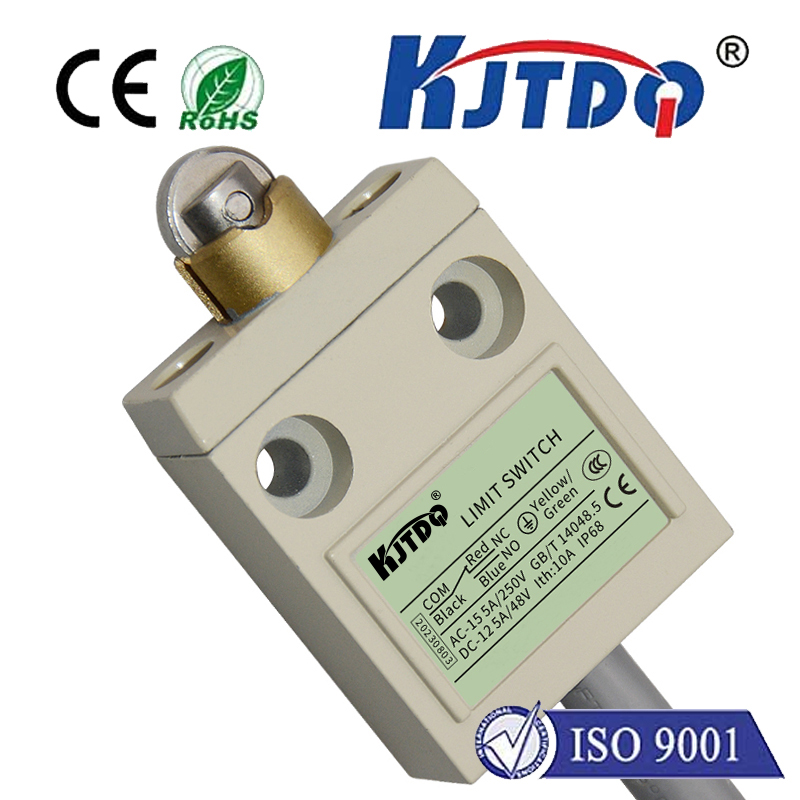
A limit switch is an electromechanical device that detects the presence or absence of an object, or monitors the movement and position of a machine part. When the switch's actuator is triggered by physical contact, it changes the state of its electrical contacts, sending a signal to a control system like a PLC (Programmable Logic Controller). The "24-volt" specification refers to its operating voltage, typically 24V DC, which is the standard for most modern industrial control circuits due to its safety, efficiency, and compatibility with solid-state electronics.
Why is the 24V DC standard so prevalent? Firstly, it is considered a safe extra-low voltage, reducing risks of electric shock and fire hazards in often harsh industrial environments. Secondly, it generates less electrical noise, ensuring cleaner signals for sensitive control equipment. Finally, it aligns perfectly with the power supplies of most PLCs, sensors, and other control devices, simplifying system design and integration.
The core mechanism involves a robust housing containing a snap-action switch. An external actuator—such as a lever, roller, or plunger—is physically moved by the target object. This movement internally actuates the switch, either opening or closing the circuit. This simple on/off signal is the heartbeat of countless automated sequences. For instance, in a conveyor system, a limit switch can signal when a product has reached the end of a line, triggering the next action like sorting or packaging. In machine tools, it can define the precise travel limits of a cutting head, preventing over-travel and potential damage.
Selecting the right 24-volt limit switch requires careful consideration of several factors. The environment is paramount. Switches are rated with IP (Ingress Protection) codes; a high IP rating (e.g., IP67) is crucial for dusty, wet, or washdown areas common in food processing or outdoor applications. The actuator type must match the application: a roller lever is ideal for detecting moving objects, while a plunger is suited for precise positioning. Electrical specifications, such as current rating (amperage) and contact configuration (normally open, normally closed, or changeover), must align with the control circuit's demands. Mechanical life expectancy, often in millions of cycles, is another key differentiator between standard and heavy-duty models.
Beyond basic positioning, advanced 24V limit switches offer enhanced features. Some models incorporate LED indicators for visual status confirmation, aiding in troubleshooting. Others are designed with ruggedized stainless steel bodies or special seals to withstand extreme temperatures, corrosive chemicals, or high-pressure sprays. The trend towards miniaturization also allows these reliable devices to fit into increasingly compact machinery without sacrificing performance.
Maintenance and correct installation are vital for longevity. Regular inspection for physical damage, wear on the actuator, and buildup of contaminants ensures consistent operation. Proper mounting and alignment are critical to ensure the target object engages the actuator correctly every time, avoiding false signals or missed detections that can halt production.
In conclusion, the 24-volt limit switch is far more than a simple component; it is a sentinel of safety and efficiency on the factory floor. Its role in providing reliable, real-world feedback to digital control systems is indispensable. From packaging lines to robotic arms, its precise signaling enables the complex, automated processes that define modern manufacturing. Understanding its principles and specifications empowers professionals to build more reliable, efficient, and safe automated systems, ensuring that machinery operates within its intended parameters, cycle after cycle.