Проверка
Проверка
Проверка
Проверка
Проверка
Проверка
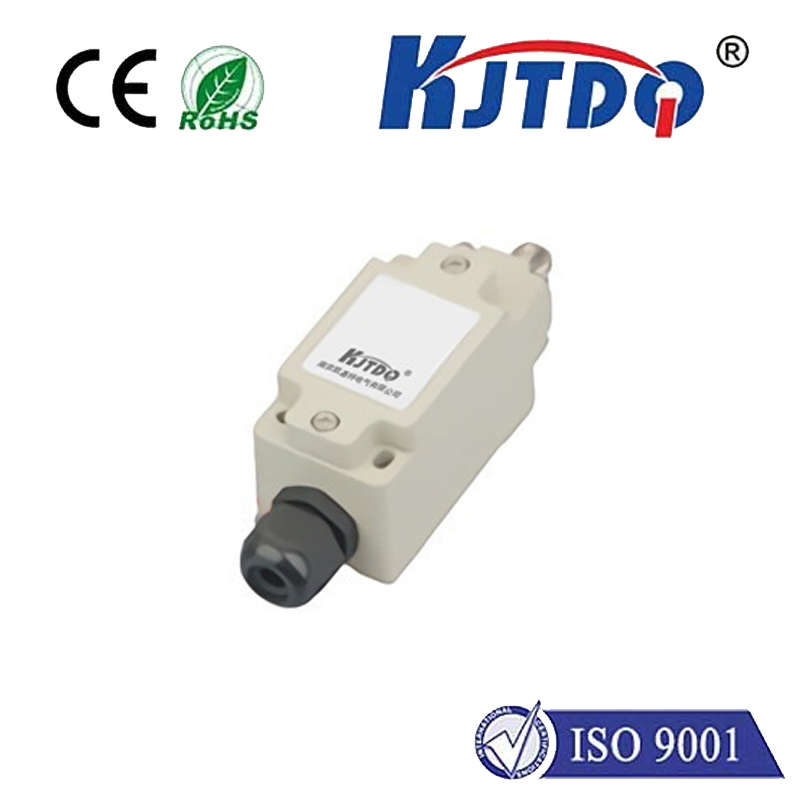
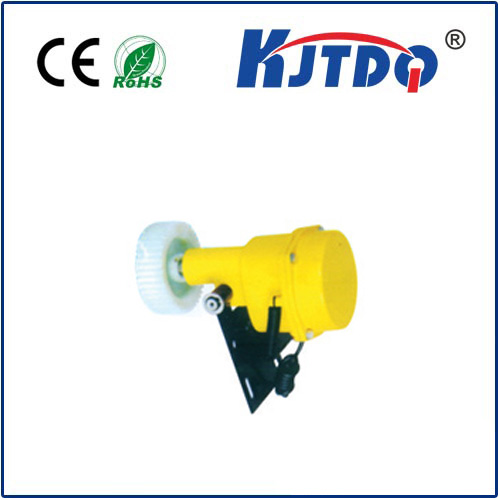
In industrial operations where lifting and material handling are critical, the integration of a limit switch hoist system stands as a cornerstone of both safety and operational precision. This technology is not merely an add-on but a fundamental control component designed to prevent overtravel of hoisting equipment, thereby safeguarding personnel, protecting the load, and ensuring the longevity of the machinery itself. A limit switch in a hoist system acts as an automatic sentinel, interrupting the power circuit when the hook block or load reaches a predetermined upper or lower limit. This simple yet vital function prevents catastrophic failures such as two-blocking—where the hook block collides with the drum or boom tip—or the load from being lowered into the ground or support structure.
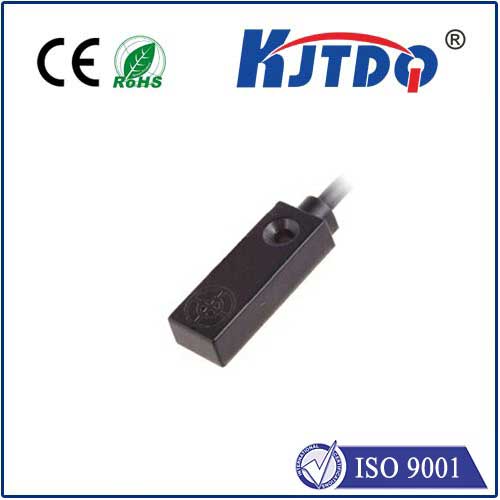
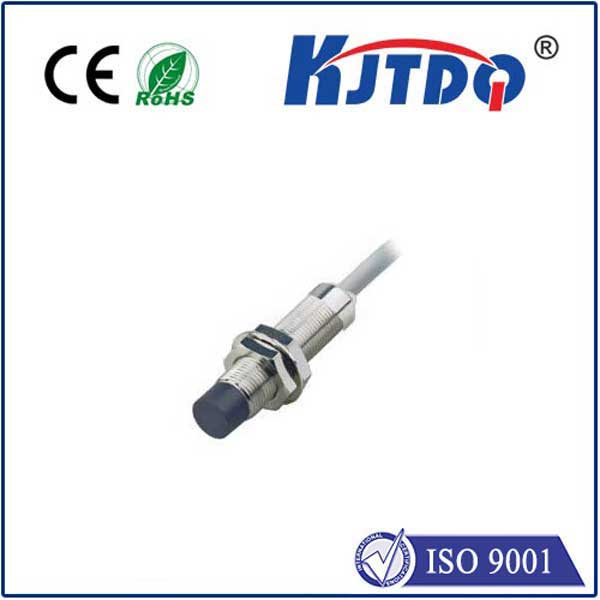
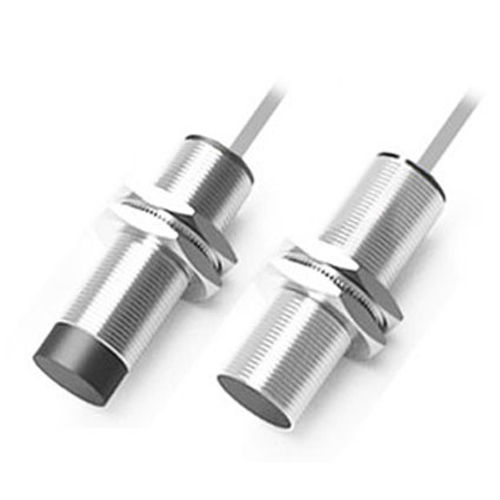
The core mechanism involves a physical actuator, often a lever, roller, or plunger, which is triggered by the movement of the hoist. When the moving component contacts the actuator, it changes the state of the switch's electrical contacts, sending a signal to the control system to halt motion in that direction. Modern iterations often incorporate proximity sensors or rotary encoders for non-contact detection, offering higher precision and reduced mechanical wear. The reliability of these switches is paramount; they must function flawlessly in harsh environments characterized by dust, moisture, vibration, and extreme temperatures common in construction, manufacturing, mining, and shipping applications.
Implementing a robust limit switch system directly translates to reduced downtime and maintenance costs. By preventing mechanical stress from overtravel, wear on brakes, wire ropes, and structural components is significantly minimized. This proactive protection extends the service life of the entire hoist assembly. Furthermore, it enhances workflow efficiency. Operators can work with greater confidence and speed, knowing the system has automatic safety stops. This eliminates the need for constant, vigilant manual monitoring at the extremes of travel, reducing operator fatigue and the potential for human error.
For facility managers and engineers, selecting the right limit switch configuration requires careful consideration. Factors include the hoist's duty cycle, lifting speed, required accuracy of the stopping point, and the specific environmental challenges. Regular inspection and testing are non-negotiable maintenance routines. A failed or bypassed limit switch is a severe safety hazard. Testing should verify both the upper and lower limit functions independently, ensuring they engage correctly and that the control system responds appropriately to the stop command.
Beyond basic limit switches, advanced hoist control systems integrate these devices with programmable logic controllers (PLCs) and monitoring software. This allows for more sophisticated control sequences, diagnostic reporting, and even predictive maintenance alerts. For instance, the system can log the number of limit switch activations, helping schedule preventative maintenance before a potential failure. This evolution from a simple safety cut-off to an integrated data point exemplifies how fundamental components drive smarter, more connected industrial operations.
Ultimately, the limit switch hoist is a testament to the principle that the most effective safety systems are those seamlessly embedded into the operational process. It works silently in the background, providing an essential layer of protection that is both automatic and absolute. Investing in high-quality limit switches, ensuring their proper installation, and committing to rigorous maintenance protocols is not an operational expense but a strategic investment. It protects valuable assets, ensures regulatory compliance with safety standards like OSHA and ANSI, and most importantly, fosters a culture of safety that prioritizes the well-being of every individual on the worksite. The continuous advancement in sensor technology and system integration promises even greater reliability and intelligence for these indispensable guardians of vertical movement.