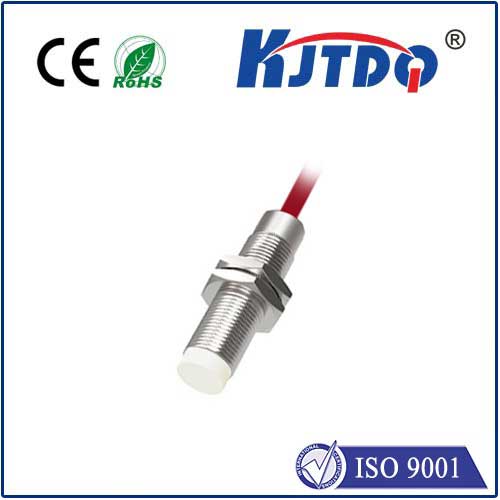
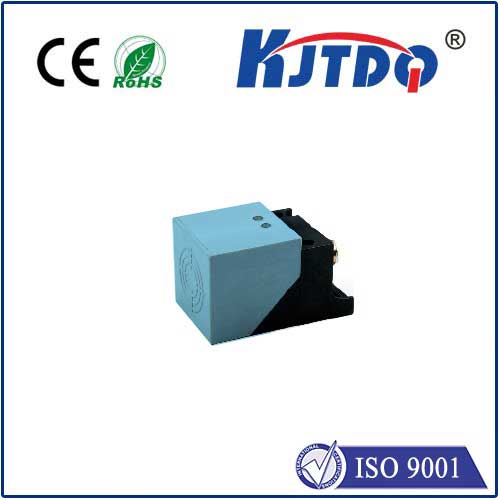
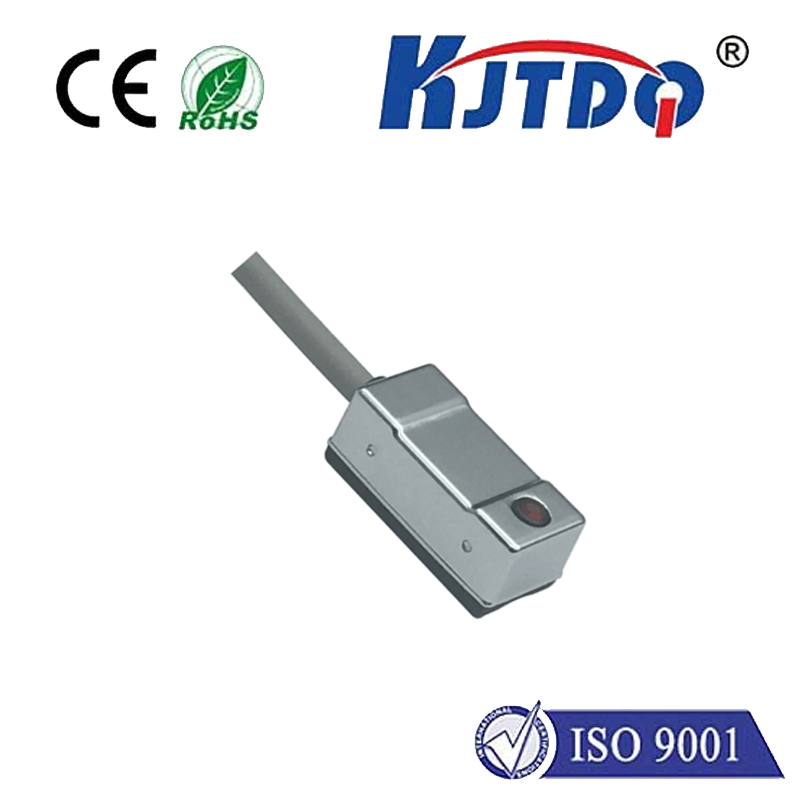
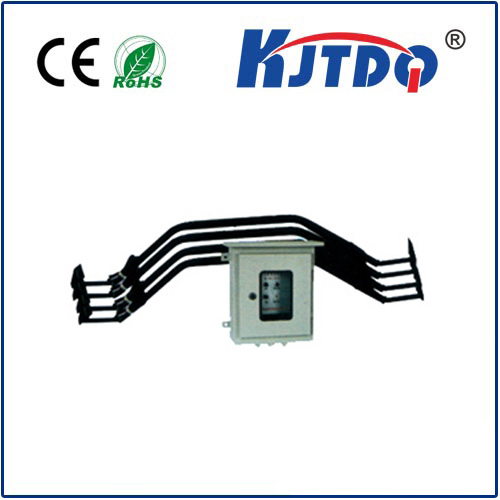
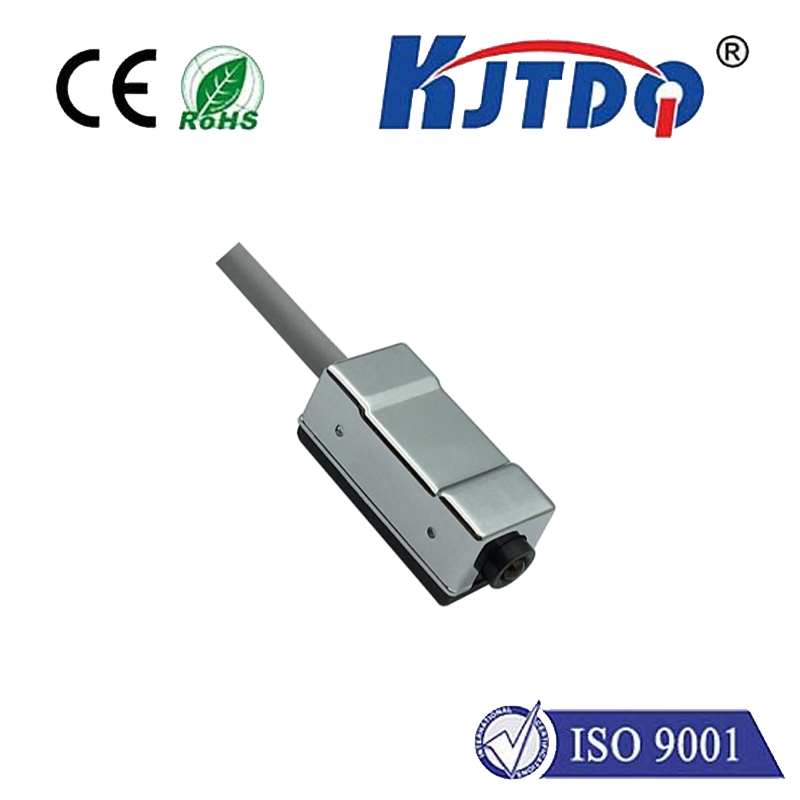
In industrial and commercial environments, ensuring the safety of personnel and equipment is paramount. One critical component that plays a vital role in this mission is the safety door limit switch. Specifically, products like the KJTDQ safety door limit switch are engineered to provide reliable, robust protection for machinery and automated systems. This article delves into the importance, functionality, and key benefits of integrating high-quality safety door limit switches into your operations.
Safety door limit switches are electromechanical devices designed to monitor the position of guards, doors, or access points on machinery. Their primary function is to ensure that a machine cannot operate when a safety door or guard is open, thereby preventing accidental access to hazardous moving parts. The KJTDQ series exemplifies this principle with its durable construction and precise actuation. When a door is opened, the switch's actuator is released or depressed, changing the state of its electrical contacts. This sends a signal to the machine's control system to halt operation immediately, mitigating the risk of injury.
The reliability of a safety door limit switch is non-negotiable. KJTDQ switches are built to withstand harsh industrial conditions, including exposure to dust, moisture, vibrations, and extreme temperatures. They often feature robust metal housings, high-grade sealing (such as IP67 ratings), and positive-opening contacts—a safety design where the contacts are forced open by a direct mechanical action, ensuring they do not weld shut in the event of a fault. This fail-safe design is crucial for compliance with international safety standards like ISO 13849-1 and IEC 60947-5-1.
Beyond basic safety, these switches contribute significantly to operational efficiency. By preventing unauthorized or unsafe access during machine cycles, they reduce downtime caused by accidents or emergency stops. Furthermore, their precise signaling allows for seamless integration into complex automated sequences. For instance, a KJTDQ switch can be part of an interlocking system where multiple doors must be securely closed before a process can begin, ensuring a complete and verified safety perimeter.
Installation and maintenance are straightforward with well-designed limit switches. The KJTDQ models typically offer flexible mounting options, clear visual indicators for switch status, and easy actuator adjustment. Regular inspection for wear, proper alignment, and secure wiring is recommended to maintain optimal performance. It's also essential to choose a switch with the appropriate actuator type (roller lever, plunger, etc.) and electrical specifications (voltage, current rating) for your specific application, whether it's on a packaging machine, robotic cell, or heavy press.
In today's landscape, where automation is advancing rapidly, the role of safety components becomes even more critical. A KJTDQ safety door limit switch is not merely a regulatory requirement; it is a strategic investment in workplace safety, asset protection, and uninterrupted productivity. By creating a reliable physical barrier between workers and potential hazards, these devices foster a safer work culture and help businesses avoid costly incidents and liabilities. When selecting a safety door limit switch, prioritizing quality, certification, and suitability for the operating environment—as embodied by the KJTDQ range—is the key to building a resilient and responsible operation.