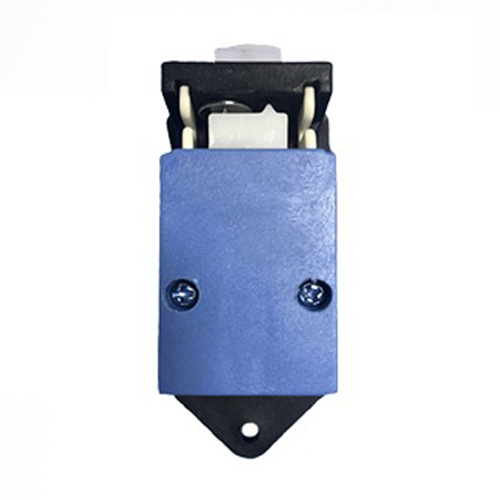
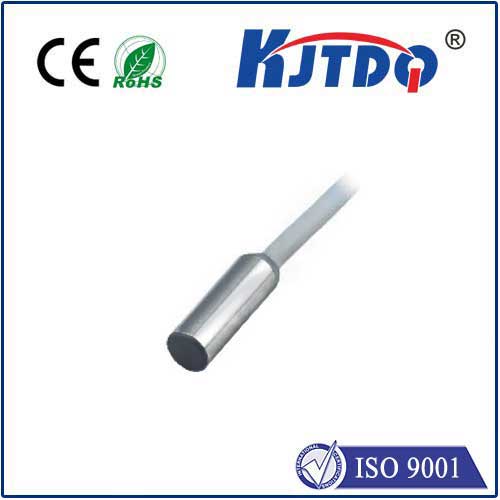
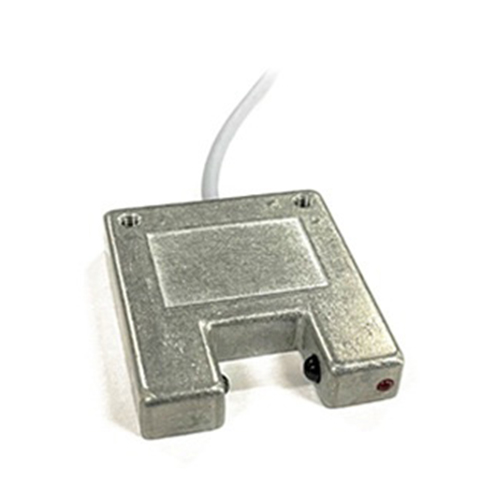
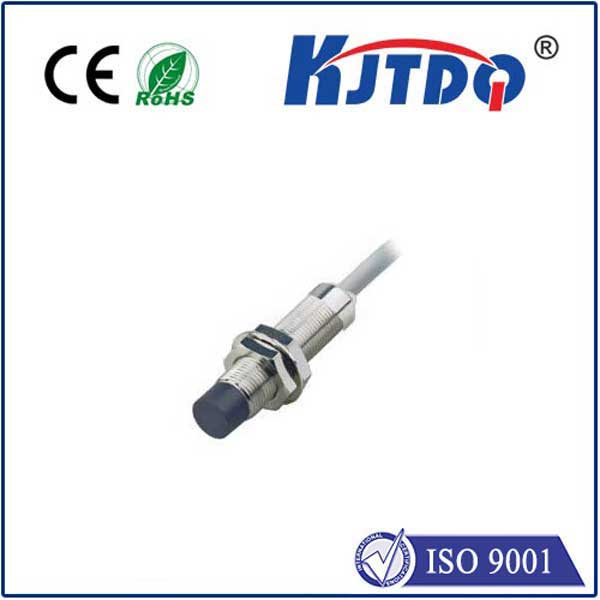
In industrial automation and machinery control, the limit switch 220V stands as a critical component for ensuring operational precision, safety, and reliability. These devices are designed to detect the presence or absence of an object, or to monitor the position of moving parts, by physically making or breaking an electrical circuit when a preset limit is reached. Operating at 220 volts, they are commonly used in applications requiring higher power ratings, such as in manufacturing plants, conveyor systems, and heavy-duty equipment.
The primary function of a limit switch 220V is to act as a sensor that triggers an action when a machine part reaches a specific point. For instance, in an automated assembly line, a limit switch might stop a motor when a robotic arm has moved to its intended position, preventing overtravel and potential damage. This not only enhances efficiency but also reduces downtime and maintenance costs. The 220V rating indicates compatibility with standard industrial power supplies, making these switches suitable for global applications where higher voltage is the norm.
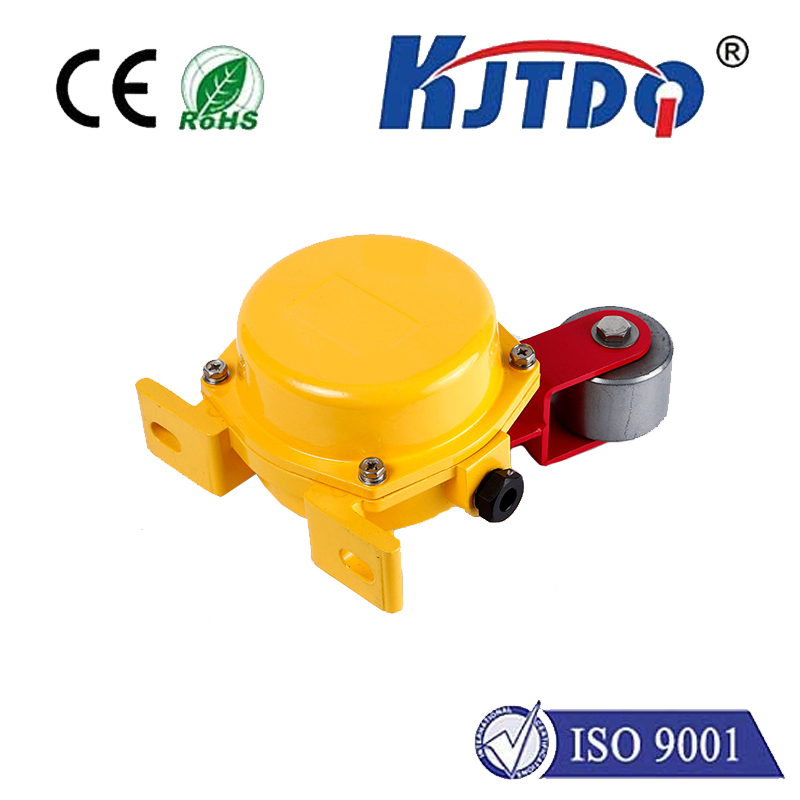
When selecting a limit switch 220V, several factors come into play. Durability is key, as these switches often operate in harsh environments with exposure to dust, moisture, and extreme temperatures. Look for models with robust housings, such as those made from metal or high-grade plastics, and certifications like IP67 for water and dust resistance. Additionally, consider the switch's actuation type—common options include lever, roller, or plunger actuators—which should match the mechanical motion of the application. Electrical specifications, such as current rating and contact configuration (normally open or normally closed), must align with the system's requirements to ensure safe and reliable performance.
Installation and maintenance of limit switches are straightforward but require attention to detail. Proper mounting is essential to avoid misalignment, which could lead to false triggers or failure. Regular inspections should check for wear on moving parts, loose connections, and any signs of corrosion. In high-cycle applications, where the switch is activated frequently, opting for models with long mechanical life—often rated in millions of operations—can extend service intervals and improve overall system longevity.
Safety is a paramount concern in industrial settings, and the limit switch 220V plays a vital role here. By preventing machines from operating beyond their designed limits, these switches help avoid accidents, equipment damage, and production halts. They are often integrated into safety circuits, working alongside other components like relays and controllers to create fail-safe mechanisms. For example, in a press machine, a limit switch might ensure that the guard is closed before the machine can start, protecting operators from harm.
In summary, the limit switch 220V is an indispensable tool in modern automation, offering precise control, enhanced safety, and robust performance. Its ability to handle higher voltages makes it versatile for various industrial applications, from simple positioning tasks to complex safety systems. By choosing the right switch and maintaining it properly, businesses can achieve smoother operations, reduced risks, and increased productivity. As technology advances, these devices continue to evolve, incorporating features like solid-state designs for faster response times, but their core purpose remains unchanged: to provide reliable limits in a dynamic industrial world.