Проверка
Проверка
Проверка
Проверка
Проверка
Проверка
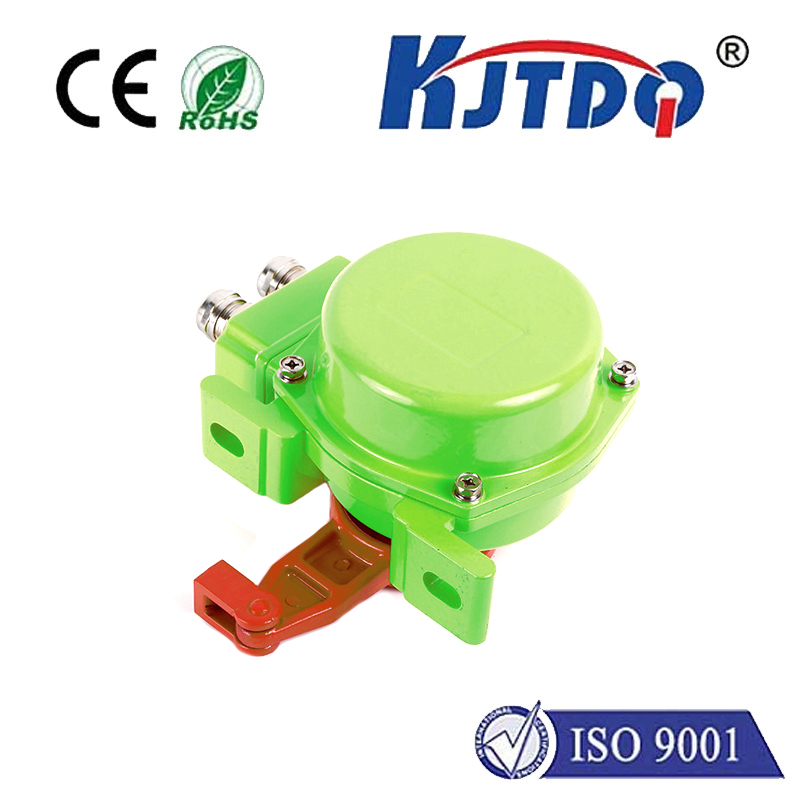
In industrial automation and machinery, the reliability of safety mechanisms directly impacts operational efficiency and personnel protection. Among these critical components, APL limit switches stand out as essential devices for ensuring precise control and preventing equipment damage. These switches, often referred to as "Armored Position Limit" switches, are engineered to withstand harsh environments while providing accurate position detection.
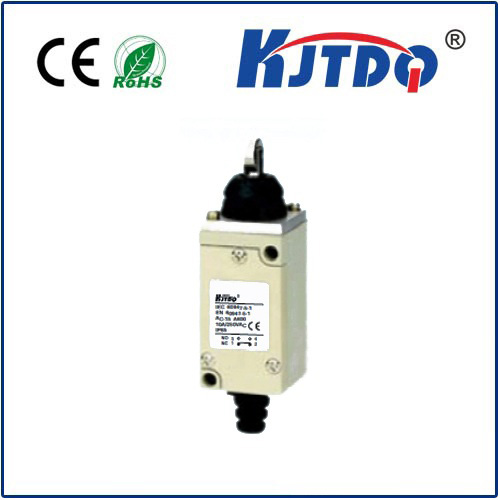
The core function of an APL limit switch is to detect the presence or absence of an object, or to monitor the position of a machine part. It acts as a sentinel in a control circuit, typically signaling a machine to start, stop, or change its operation based on the physical movement of an actuator. The "armored" designation highlights its robust construction, featuring a durable metal housing that protects internal components from dust, moisture, oil, and mechanical impacts commonly found in factories, steel plants, and material handling systems. This rugged design is crucial for maintaining consistent performance where standard switches would fail prematurely.
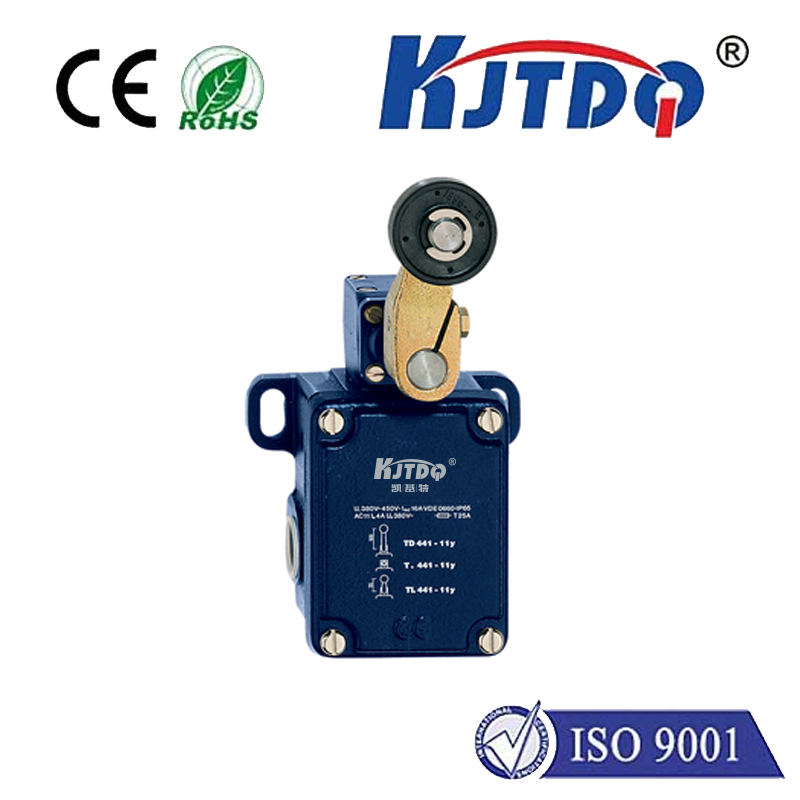
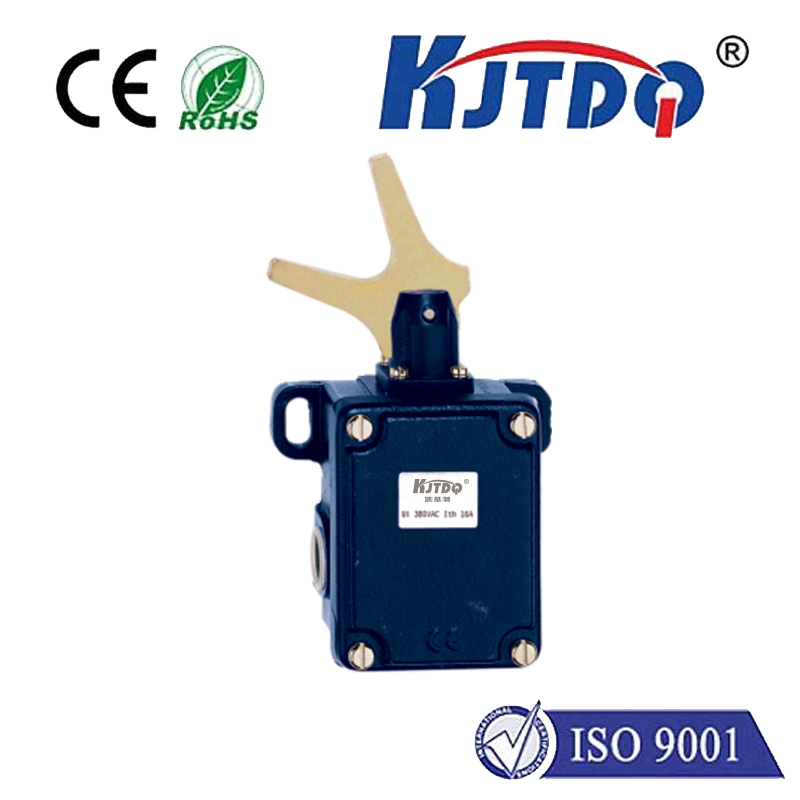
Operationally, an APL switch is activated when its actuator—which could be a lever, roller, or plunger—is moved by the target object. This physical movement triggers an internal snap-action mechanism that rapidly opens or closes electrical contacts. This change in the electrical state is then communicated to the programmable logic controller (PLC) or relay system, executing the pre-programmed command. The precision of this action is vital. For instance, in a conveyor system, an APL limit switch can accurately detect when a pallet reaches the end of the line, initiating a stop command to prevent overtravel and potential jamming. In robotic arms, these switches define safe rotational limits, protecting the device's mechanics from strain.
The advantages of implementing APL limit switches are multifaceted. First and foremost is enhanced safety. By reliably defining the boundaries of machine movement, they prevent hazardous conditions that could lead to equipment collisions or worker injuries. Secondly, they contribute to precision automation. Consistent and accurate position feedback allows for tighter control over repetitive processes, improving product quality and reducing waste from misalignment. Furthermore, their durability translates to reduced maintenance costs and less unplanned downtime. The sealed, robust housing minimizes the ingress of contaminants that could cause corrosion or short circuits, ensuring a longer service life even in demanding applications like mining, forestry, or wastewater treatment.
Selecting the right APL limit switch requires careful consideration of several factors. The environmental rating, denoted by IP (Ingress Protection) or NEMA standards, indicates its resistance to solids and liquids. The electrical specifications, including voltage, current rating, and contact configuration (normally open or normally closed), must match the control circuit's requirements. The type of actuator is also critical; a roller lever might be ideal for detecting moving parts from the side, while a top-push plunger is suited for vertical actuation. Finally, the mechanical life expectancy, often rated in millions of operations, should align with the application's duty cycle.
Installation and regular inspection are key to maximizing performance. Mounting must be secure to prevent vibration from altering the switch's position, which would compromise its accuracy. The actuator should be aligned correctly with the target to ensure full and consistent engagement. Routine checks should verify that the housing remains intact, the actuator moves freely without obstruction, and the electrical connections are tight and free from corrosion.
In conclusion, APL limit switches are more than simple on/off devices; they are fundamental components for building safe, efficient, and reliable automated systems. Their armored construction provides the resilience needed for industrial duty, while their precise switching action forms the backbone of countless control and safety interlocks. From packaging machines to heavy-duty cranes, their role in enabling smooth, controlled, and secure operations is indispensable. Understanding their function, benefits, and selection criteria empowers engineers and maintenance teams to make informed decisions, fostering a safer and more productive industrial environment.