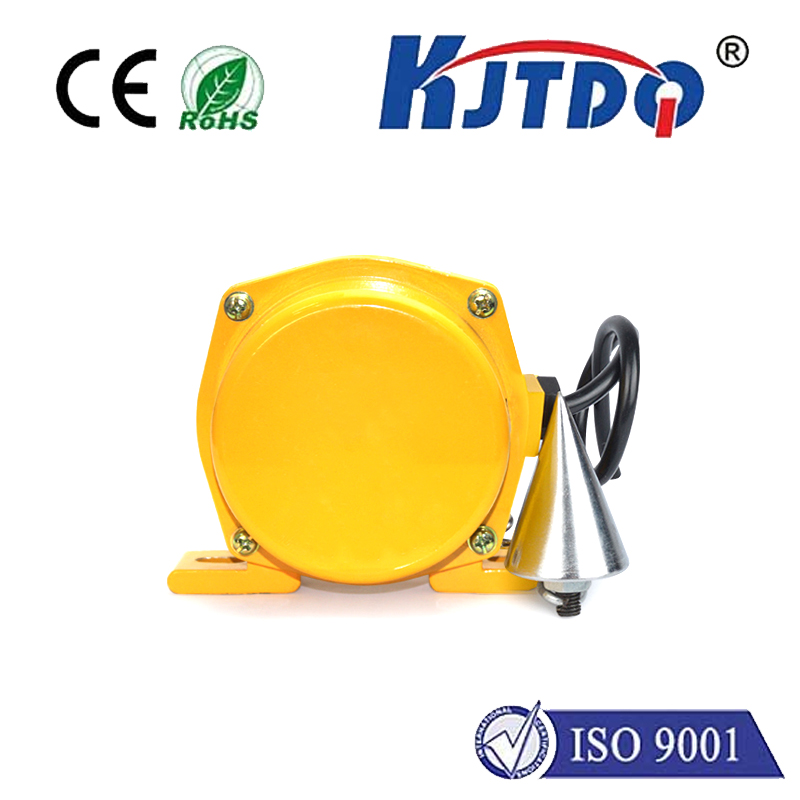
In the world of industrial automation, precision and reliability are paramount. Among the myriad components that ensure seamless operations, the momentary limit switch stands out as a critical device for control and safety. This compact yet powerful switch is designed to detect the presence or position of an object, triggering an immediate electrical response only while actuated. Unlike maintained switches that remain in a changed state, momentary limit switches return to their default position once the actuating force is removed, making them ideal for applications requiring brief, precise signals.
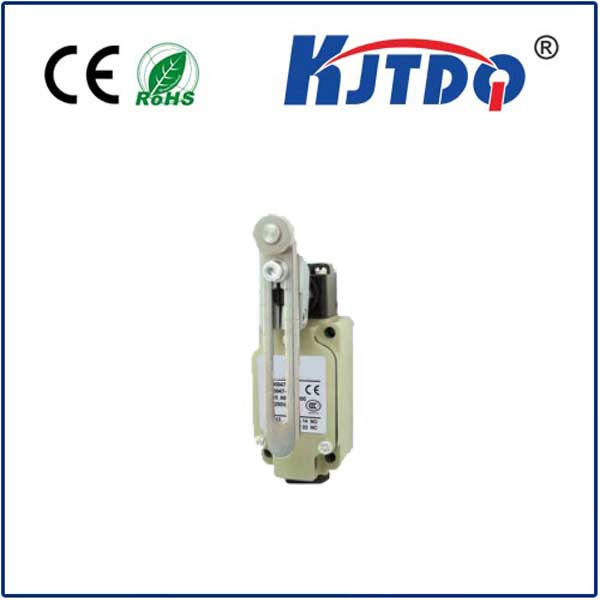
The fundamental operation of a momentary limit switch revolves around its actuator mechanism. When an object—such as a machine part, conveyor belt item, or robotic arm—makes contact with the actuator, it momentarily closes or opens an electrical circuit. This action sends a signal to a control system, which can then initiate or halt a process. Common actuator types include levers, rollers, and plungers, each suited to specific environmental and operational needs. For instance, roller actuators are often used in high-speed or repetitive motion scenarios, while plunger types excel in applications with limited space.
Durability is a hallmark of high-quality momentary limit switches. Industrial environments can be harsh, with exposure to dust, moisture, vibrations, and extreme temperatures. Manufacturers engineer these switches with robust housings, often from materials like stainless steel or thermoplastic, to withstand such conditions. Sealing ratings, such as IP67, ensure protection against ingress, allowing reliable performance in demanding settings like manufacturing plants, packaging lines, and automotive assembly systems. This resilience minimizes downtime and maintenance costs, contributing to overall operational efficiency.
Applications of momentary limit switches span diverse industries. In automotive manufacturing, they help position components during welding or painting processes. In material handling, they detect objects on conveyors, enabling automated sorting or counting. Robotics heavily relies on these switches for end-of-arm tooling and movement limits, ensuring precise and safe operations. Additionally, in safety systems, momentary limit switches serve as emergency stop triggers or interlock devices, preventing accidents by halting machinery when a hazard is detected. Their versatility makes them indispensable in modern automation.
Selecting the right momentary limit switch involves considering several factors. Electrical ratings, including voltage and current capacity, must match the system requirements to avoid failures. Actuator style should align with the object's movement and contact method. Environmental conditions dictate the needed ingress protection and material composition. Furthermore, compliance with industry standards, such as UL or CE certifications, ensures safety and compatibility. Consulting with technical experts or referring to manufacturer specifications can guide optimal choices for specific applications.
Installation and maintenance practices significantly impact the longevity and performance of momentary limit switches. Proper mounting secures the switch against misalignment or vibration-induced shifts. Regular inspections for wear, corrosion, or damage to actuators and contacts help prevent unexpected failures. Cleaning around the switch area reduces debris accumulation, which could interfere with actuation. Many modern switches feature modular designs, allowing easy replacement of components without dismantling entire systems, thus streamlining upkeep.
Technological advancements continue to enhance momentary limit switches. Innovations include integrated sensors for condition monitoring, wireless connectivity for remote diagnostics, and miniaturized designs for compact machinery. These developments support the trend toward smart factories and Industry 4.0, where real-time data and connectivity drive efficiency. Despite these innovations, the core principle remains unchanged: providing a reliable, momentary electrical signal for control purposes.
In conclusion, the momentary limit switch is a foundational element in industrial automation, offering precision, durability, and safety. Its ability to deliver instantaneous feedback enables complex processes to run smoothly and securely. As industries evolve toward greater automation, the demand for high-performance limit switches will only grow. By understanding their operation, applications, and selection criteria, engineers and operators can leverage these devices to optimize productivity and maintain robust systems. Whether in a small workshop or a large-scale plant, the momentary limit switch proves that even small components can have a monumental impact on operational success.