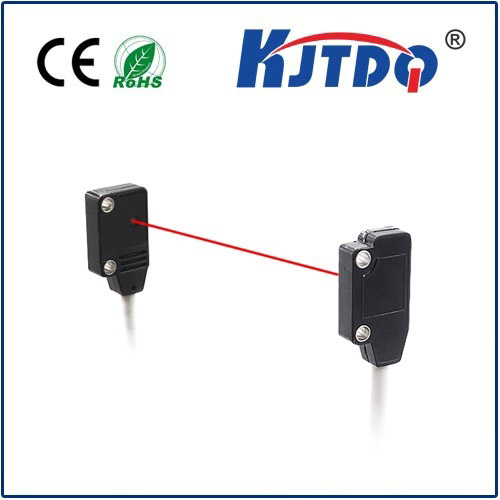
In the world of industrial automation, precision and reliability are non-negotiable. Among the myriad components that keep machinery running smoothly, the linear limit switch stands out as a critical device for controlling motion and ensuring operational safety. This unassuming yet vital component plays a pivotal role in various applications, from manufacturing assembly lines to heavy-duty robotics, by detecting the presence or position of objects along a linear path.
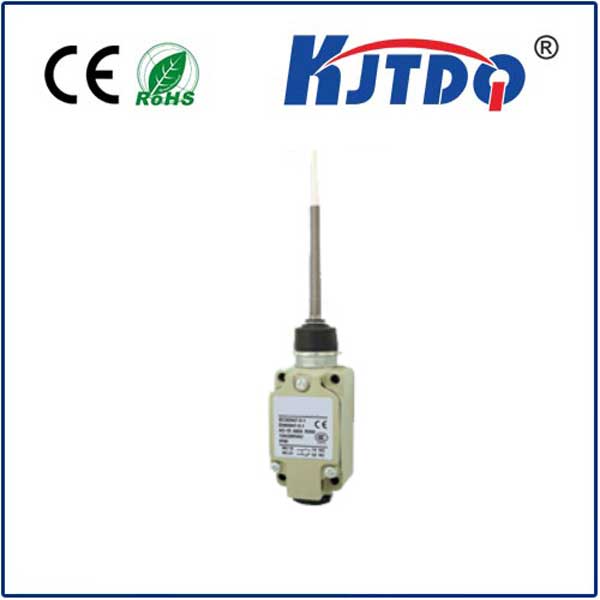
A linear limit switch, often integrated into systems as a safety or control mechanism, operates by physically interacting with a moving part. When an object reaches a predetermined point, it triggers the switch, which then sends an electrical signal to halt or alter the machine's movement. This simple action prevents over-travel, collisions, or damage to equipment, thereby reducing downtime and maintenance costs. For instance, in conveyor belt systems, linear limit switches ensure that products are correctly positioned for packaging, while in CNC machines, they help maintain accurate tool paths, enhancing product quality.
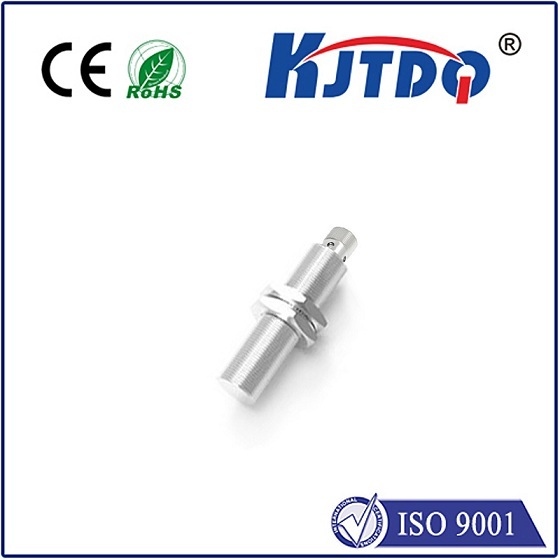
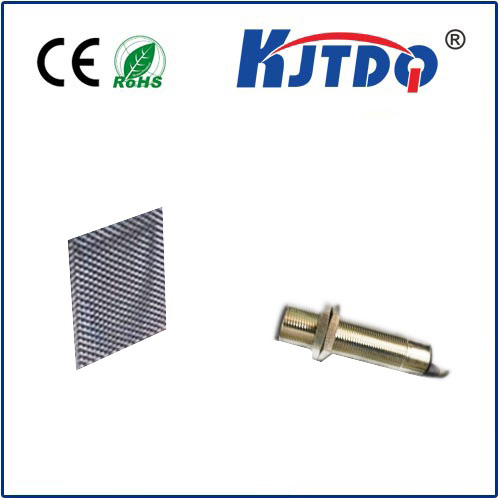
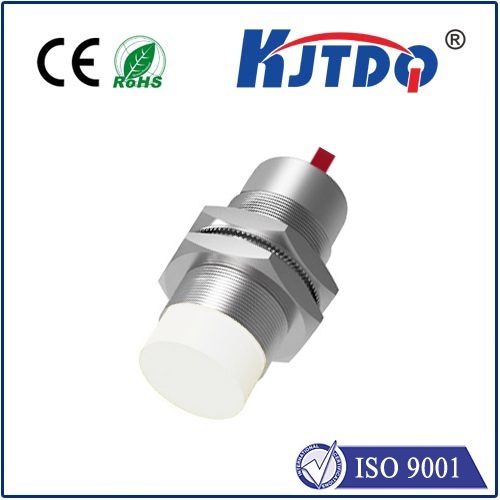
The design of modern linear limit switches has evolved to meet demanding industrial environments. Constructed from durable materials like stainless steel or industrial-grade plastics, these switches are built to withstand harsh conditions, including extreme temperatures, moisture, and vibrations. Many models feature sealed housings to protect against dust and debris, ensuring longevity and consistent performance. Additionally, advancements in technology have led to the development of contactless variants, such as inductive or capacitive sensors, which offer higher precision and reduced wear, though traditional mechanical switches remain popular for their simplicity and cost-effectiveness.
One key advantage of linear limit switches is their versatility. They can be customized with different actuation methods—including plunger, roller, or lever types—to suit specific applications. For example, in automotive manufacturing, roller-actuated switches might be used to detect door positions, while plunger switches could monitor piston movements in hydraulic systems. This adaptability makes them indispensable across industries, from aerospace to food processing, where hygiene and precision are paramount.
When selecting a linear limit switch, factors like switching capacity, repeat accuracy, and environmental ratings must be considered. High-quality switches, such as those from reputable brands like KJTDQ, often come with certifications like IP67 for water resistance or CE for compliance with European safety standards. Proper installation and regular maintenance are also crucial; misalignment or contamination can lead to false triggers or failures, potentially causing costly disruptions. By integrating these switches into automated control systems, operators can enhance efficiency, reduce human error, and foster a safer workplace.
In conclusion, the linear limit switch may be a small component, but its impact on industrial automation is profound. As industries continue to embrace smart manufacturing and IoT connectivity, these switches are being integrated with digital interfaces for real-time monitoring and predictive maintenance. Whether in a factory setting or a high-tech lab, they provide the reliable feedback needed to keep processes running seamlessly. Investing in robust linear limit switches, like those offered by KJTDQ, is a step toward optimizing productivity and safeguarding both machinery and personnel.