Проверка
Проверка
Проверка
Проверка
Проверка
Проверка
In the world of automation and precise motion control, the integration of limit switches with linear actuators represents a fundamental leap in reliability and safety. A linear actuator provides the push or pull force to move an object in a straight line, but without defined boundaries, its operation can be risky and inefficient. This is where limit switches come into play, acting as sentinels that define the start and end points of the actuator's travel. The combination creates a system that is not only powerful but also intelligent and self-regulating.
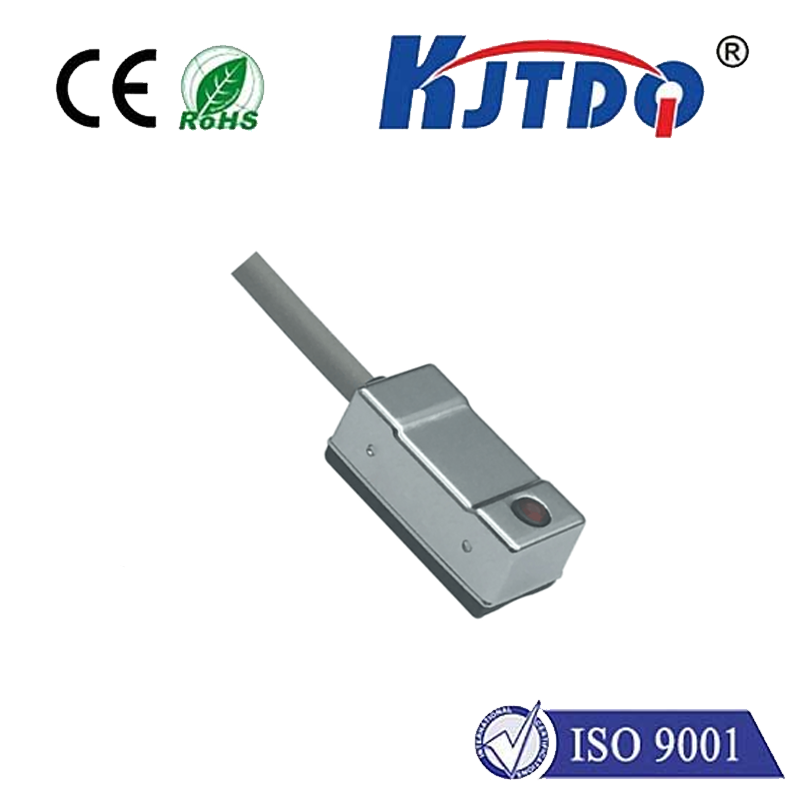
Limit switches are electromechanical devices that detect the presence or absence of an object, or monitor positional limits. When integrated into a linear actuator system, they are typically mounted at the desired endpoints of the stroke. As the actuator's moving part (like the piston rod in a hydraulic actuator or the screw in an electric actuator) reaches these points, it physically triggers the switch. This action sends an immediate electrical signal to the control system—be it a simple relay, a programmable logic controller (PLC), or a motor driver—commanding it to stop or reverse the actuator's motion. This precise interruption prevents the actuator from over-extending or over-retracting, which are common causes of mechanical failure.
The benefits of using a linear actuator equipped with limit switches are substantial. Primarily, they provide essential mechanical protection. By halting motion at precise points, they prevent the actuator from jamming, stalling, or causing damage to itself, the load it is moving, or the surrounding machinery. This dramatically extends the operational lifespan of the entire system and reduces maintenance costs. Secondly, they enhance operational consistency and accuracy. In applications like conveyor belt positioning, adjustable hospital beds, or solar panel tracking, repeatable start and stop positions are critical. Limit switches ensure the actuator completes its cycle identically every time, eliminating guesswork and manual intervention.
Furthermore, these systems significantly improve safety. In automated industrial environments, unexpected actuator movement can be hazardous. Limit switches create a reliable fail-safe mechanism. For instance, on a large automated gate or a heavy press machine, the limit switches guarantee the moving part stops at the safe, intended location, protecting both equipment and personnel. They also simplify the control logic. Instead of relying solely on complex timing algorithms or sensor feedback that might drift, the physical switch provides a definitive, hard-stop signal that is simple and robust.
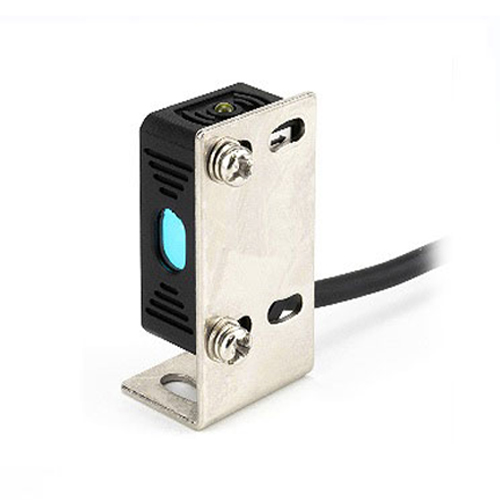
When selecting a linear actuator with limit switches, several key factors must be considered. The type of actuator—whether electric, hydraulic, or pneumatic—will influence the switch integration method. Electric actuators often have built-in options for internal limit switches or hall-effect sensors, while hydraulic and pneumatic systems may require externally mounted mechanical switches. The environment is also crucial; for dusty, wet, or explosive atmospheres, sealed or intrinsically safe limit switch models are necessary. The required precision will dictate the switch type: basic mechanical switches offer cost-effective reliability, while proximity sensors provide non-contact operation for high-speed or delicate applications.
Real-world applications are vast and varied. In agricultural machinery, such as automated seed dispensers or harvester adjustments, linear actuators with limit switches ensure movements are constrained to safe, effective ranges despite vibration and dirt. In home automation, they are used in motorized TV lifts or projector screens to provide smooth, quiet, and perfectly limited operation. Industrial robotics relies on them for precise arm movement and tool positioning, ensuring repeatability in manufacturing processes. Even in renewable energy, they control the angle of solar panels or the pitch of wind turbine blades, with limit switches protecting the mechanism from extreme weather-induced over-rotation.
In conclusion, a linear actuator is transformed from a simple motion device into a smart, dependable, and safe component when paired with limit switches. This integration addresses the core challenges of automation: precision, protection, and repeatability. For engineers, designers, and system integrators, specifying actuators with this feature is not an added luxury but a fundamental requirement for building resilient and efficient automated systems. It represents a small investment that yields significant returns in performance longevity and operational safety, forming the backbone of countless modern mechanical applications.