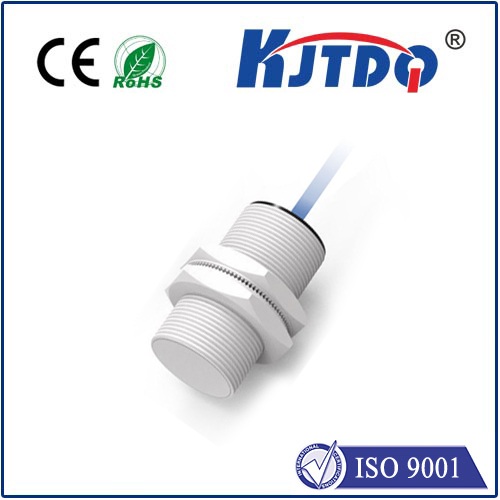
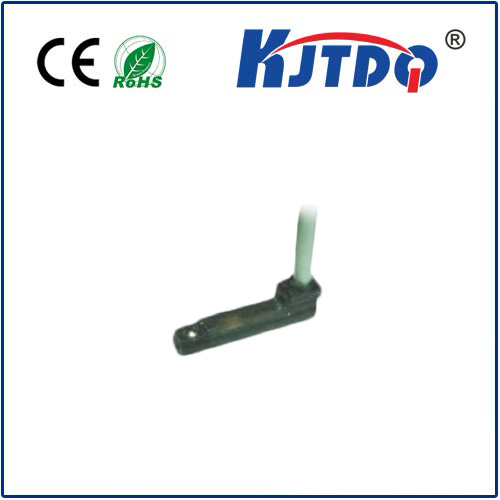
In industrial and commercial settings, the reliable operation of machinery and access points is paramount. One critical component that ensures both safety and operational continuity is the panel door limit switch. These devices, often overlooked, play a vital role in monitoring the position of doors, hatches, and guards on electrical panels, control cabinets, and machinery enclosures. A KJTDQ panel door limit switch represents a specific standard of quality and reliability in this essential category.
A limit switch for a panel door is fundamentally a sensor. It detects whether a door is open or closed. This simple function triggers a cascade of important actions. When a panel door is opened, the limit switch can immediately send a signal to cut power to the internal components, protecting personnel from electrical hazards. Conversely, when the door is securely closed, the switch allows the system to operate normally. This interlock mechanism is a cornerstone of machine safety, preventing accidental startup during maintenance and safeguarding against unauthorized access to high-voltage areas.
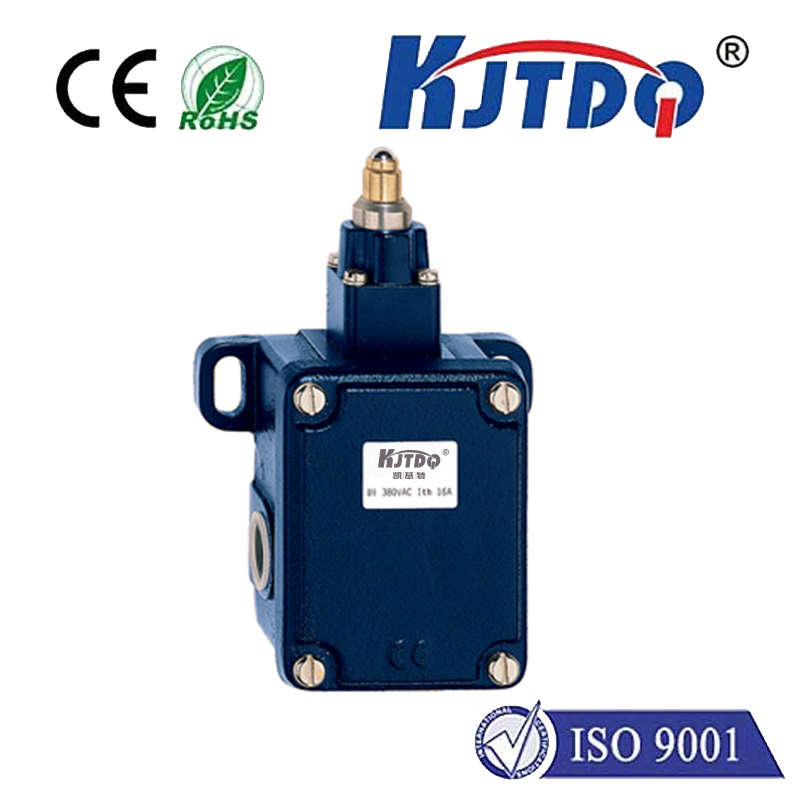
The design and construction of a KJTDQ panel door limit switch are tailored for demanding environments. Typically, these switches are built with robust housings, often from metal or high-grade engineering plastics, to withstand vibration, dust, moisture, and temperature fluctuations common in industrial plants. The actuator—the part that physically interacts with the door—is designed for precise and repeatable engagement. Common types include roller lever, plunger, or whisker actuators, each suitable for different mounting configurations and door styles.
Installation and integration are straightforward. The switch is mounted on the stationary frame of the panel, while an actuator or striker plate is positioned on the door itself. As the door closes, it depresses the switch's actuator, changing its internal electrical state. This switch is then wired into the control circuit of the machinery or the safety relay system. The reliability of this connection is critical; a failure could mean a safety system is bypassed. KJTDQ switches are engineered for long-term electrical stability and mechanical endurance, minimizing the risk of failure.
Beyond basic safety, these limit switches contribute significantly to operational efficiency. They can be integrated into supervisory control and data acquisition (SCADA) systems or building management systems. For instance, if a control panel door in a remote substation is left ajar, the limit switch can trigger an alarm at a central monitoring station, allowing for a rapid response. This proactive monitoring helps prevent equipment exposure to contaminants, reduces downtime, and aids in predictive maintenance schedules.
Choosing the right panel door limit switch involves several considerations. The electrical rating (voltage and current), the type of output (normally open or normally closed contacts), the mechanical life expectancy (number of operating cycles), and the ingress protection (IP) rating for environmental sealing are all crucial factors. A KJTDQ switch typically offers clear specifications across these parameters, ensuring compatibility with a wide range of applications from food processing to heavy manufacturing.
In conclusion, the humble panel door limit switch is an indispensable guardian in automated and electrical environments. It silently enforces safety protocols and provides valuable status information. Opting for a reliable brand like KJTDQ ensures that this key component performs its duty consistently, protecting both people and capital investments. By ensuring doors are properly secured before operation, these switches form a fundamental, yet sophisticated, layer of modern industrial safety and control architecture.