In the bustling environment of industrial facilities, material handling is a critical operation that demands precision, reliability, and above all, safety. Overhead cranes, the workhorses of workshops, warehouses, and construction sites, are central to this process. A key component that ensures these cranes operate within safe parameters is the often-overlooked but vital overhead crane limit switch. This device acts as a silent guardian, preventing catastrophic failures and enhancing operational efficiency.
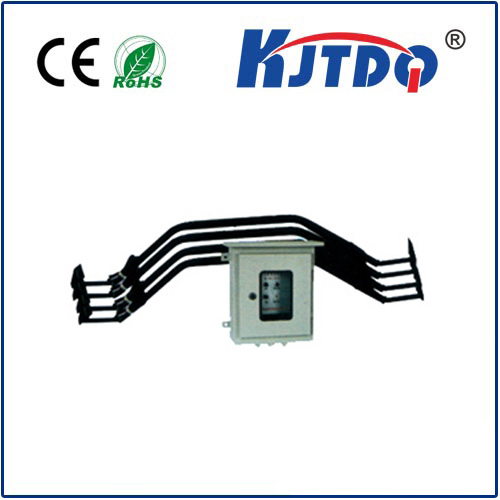
An overhead crane limit switch is an electromechanical device designed to automatically stop or control the motion of a crane's hoist, trolley, or bridge when it reaches a predetermined travel limit. Its primary function is to prevent over-travel, which could lead to collisions, structural damage, load drops, or severe injury to personnel. Think of it as a critical safety net that intervenes when human operators or automated control systems approach operational boundaries.
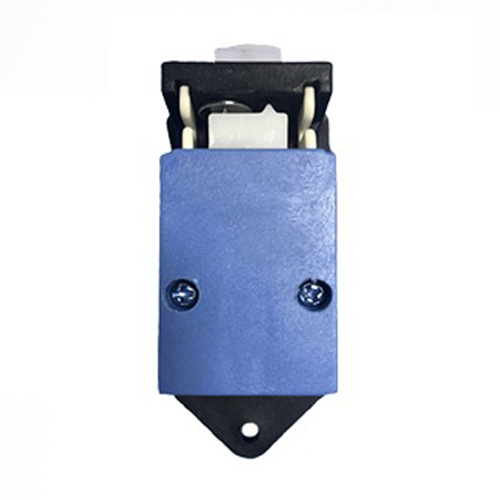
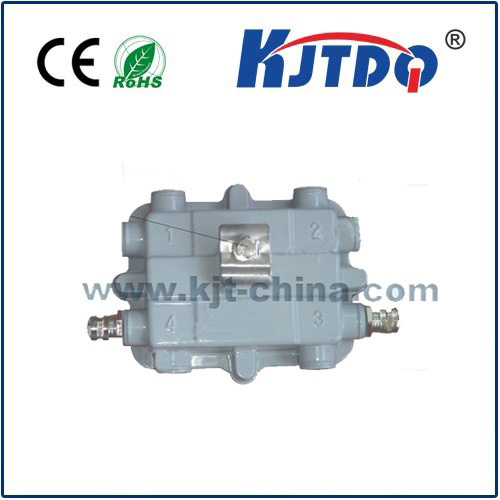
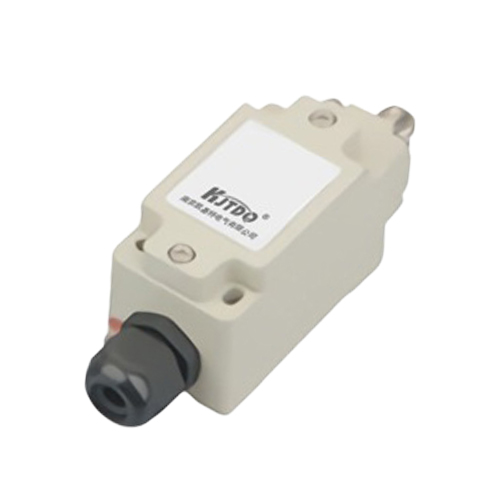
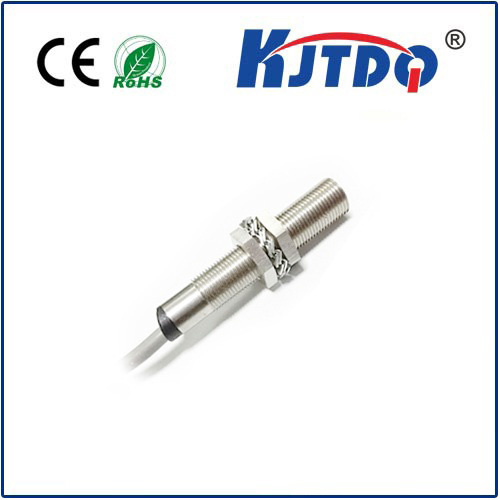
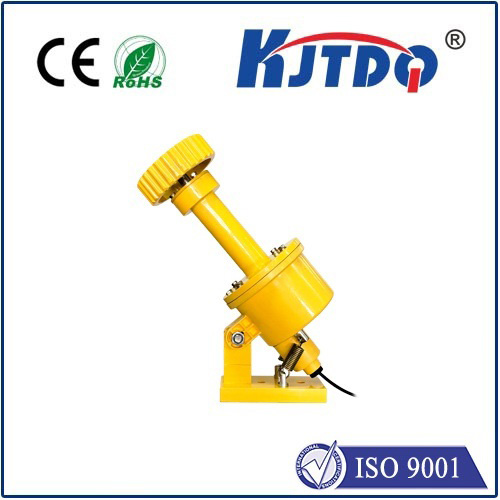
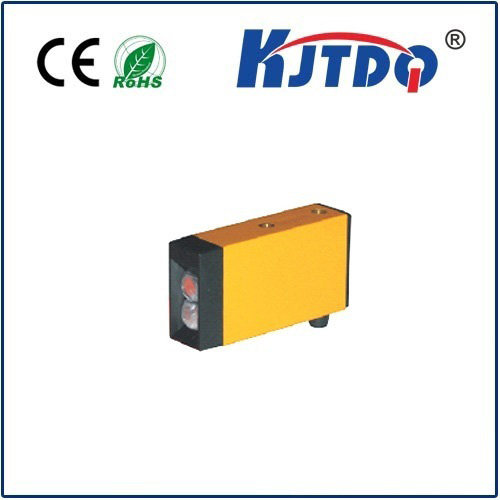
These switches come in various types, each suited for specific applications. Rotary limit switches, for instance, are mechanically actuated by the crane's movement through a gear train. When the crane reaches the set limit, the rotating mechanism triggers the switch to cut power to the motor. Lever arm limit switches are another common type, where a physical lever is displaced by the moving crane component, activating the switch. More advanced systems include proximity sensors and magnetic limit switches, which offer non-contact operation, reducing wear and tear and increasing longevity in harsh environments.
The importance of a properly functioning limit switch cannot be overstated. Firstly, it is a cornerstone of workplace safety. By preventing the hook block from over-hoisting and striking the drum, or stopping the bridge from crashing into the runway ends, it mitigates risks that could result in expensive downtime, equipment damage, and most importantly, harm to workers. Regulatory bodies like OSHA (Occupational Safety and Health Administration) have stringent requirements for crane safety devices, making functional limit switches not just a best practice but a legal necessity.
Beyond safety, overhead crane limit switches contribute significantly to operational efficiency and asset protection. They help in precise load positioning, which is crucial in assembly lines or when placing heavy materials in tight spaces. By automating the stopping process at exact points, they reduce reliance on operator judgment, minimizing human error and allowing for smoother, faster cycles. This precision also protects the crane's mechanical and electrical systems from the stresses of abrupt manual stops or collisions, thereby extending the equipment's service life and reducing maintenance costs.
Regular inspection and maintenance of these switches are paramount. Dust, moisture, corrosion, and mechanical wear can compromise their functionality. A routine check should include verifying the setting of the limits, testing the switch's activation, inspecting for physical damage, and ensuring electrical connections are secure and corrosion-free. A failed limit switch is a latent hazard; proactive maintenance schedules are far less costly than the aftermath of an accident.
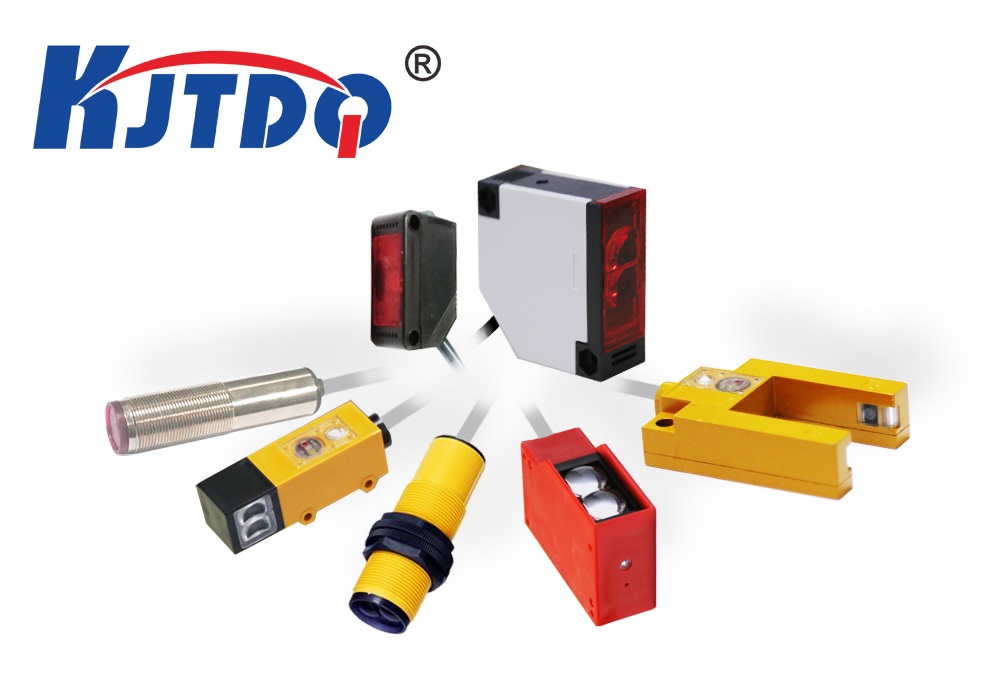
When selecting or replacing an overhead crane limit switch, factors such as the crane's duty cycle, environmental conditions (presence of heat, dust, or moisture), required accuracy, and compatibility with the existing control system must be considered. Consulting with crane manufacturers or specialized component suppliers like KJTDQ ensures you get a robust, reliable solution tailored to your specific operational demands.
In conclusion, the overhead crane limit switch is a small component with a massive responsibility. It seamlessly blends safety and productivity, acting as an indispensable fail-safe in material handling operations. Investing in high-quality limit switches and committing to their diligent upkeep is not merely an operational expense but a strategic investment in safeguarding personnel, protecting valuable assets, and ensuring the uninterrupted flow of industrial productivity. In the world of overhead cranes, this unassuming switch is truly a limit that defines limitless safety.