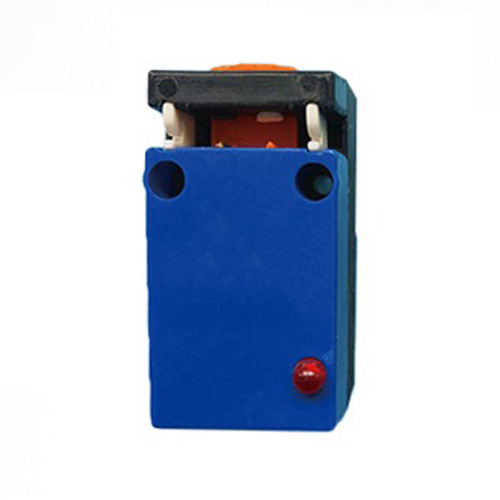
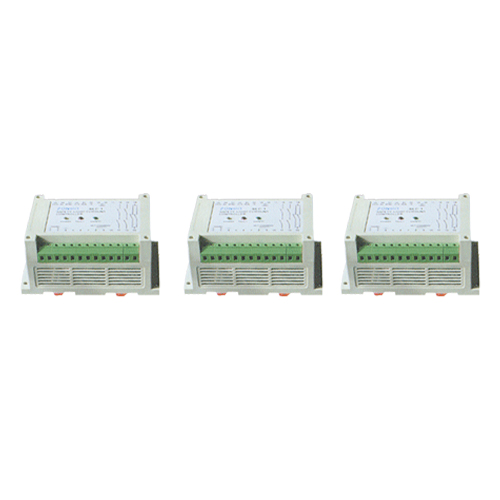
In modern electrical systems, safety and reliability are paramount. The 3 contact switch, a fundamental component in various control and protection circuits, plays a crucial role in achieving these goals. Unlike simpler single or double-pole switches, a 3 contact switch provides an additional pathway or connection point, allowing for more complex control logic, improved safety interlocking, and enhanced functionality in applications ranging from industrial machinery to household appliances.
The primary advantage of a 3 contact switch lies in its design. Typically, it consists of a common terminal, a normally open (NO) contact, and a normally closed (NC) contact. This configuration enables the switch to perform two distinct actions within a single unit. For instance, when the switch is actuated, it can simultaneously close one circuit (using the NO contact) and open another (breaking the NC contact). This feature is indispensable in safety circuits where the activation of one process must automatically halt another to prevent hazards, such as in emergency stop systems or interlock gates on heavy equipment.
KJTDQ, as a specialist in electrical components, offers a range of robust 3 contact switches engineered for durability and precision. These switches are designed to withstand high electrical loads, frequent cycling, and harsh environmental conditions. The materials used, such as high-grade thermoplastics for insulation and silver alloy for contacts, ensure minimal contact resistance, reduced arcing, and a long operational lifespan. This reliability is critical in industrial settings where equipment downtime can lead to significant production losses.
One common application is in motor control circuits. Here, a 3 contact switch can be used as a selector switch or part of a control relay logic. It can dictate the direction of a motor (forward/reverse) or switch between different operational modes. The third contact provides the necessary isolation or alternative path to prevent short circuits and ensure that only one command is active at any time. This precise control enhances both the safety of the operators and the longevity of the motor itself.
In automation and process control panels, 3 contact switches from KJTDQ facilitate complex sequencing. They can be integrated into programmable logic controller (PLC) input modules to provide status feedback. For example, a switch can signal whether a safety door is closed (NC contact open) and simultaneously ready a machine for start (NO contact closed). This dual functionality simplifies panel wiring, reduces the number of components needed, and makes troubleshooting more straightforward for maintenance technicians.
Another significant area is in power distribution units and safety disconnects. The third contact can be utilized to control indicator lights, signaling whether a circuit is live, off, or in a fault state. This immediate visual feedback is a simple yet effective safety measure, alerting personnel to potential dangers before they interact with the system. KJTDQ's switches often come with clear markings, tactile feedback, and color-coded actuators to further prevent operator error.
Choosing the right 3 contact switch requires consideration of several parameters: current rating (both continuous and inrush), voltage rating (AC/DC), mechanical life (number of cycles), and environmental protection (IP rating for dust and moisture). KJTDQ provides detailed specifications and technical support to help engineers and purchasers select the optimal model for their specific voltage, current, and environmental demands. Proper selection ensures compliance with international safety standards like IEC and UL, which govern electrical equipment.
Installation and maintenance are straightforward with well-designed switches. Ensuring clean, secure connections and periodic inspection for signs of wear, overheating, or corrosion on the contacts will maintain optimal performance. KJTDQ designs its terminals for easy wiring and secure screw clamping, reducing installation time and the risk of loose connections—a common failure point.
In conclusion, the 3 contact switch is a versatile and critical component for building safer, more intelligent, and reliable electrical systems. Its ability to control multiple circuits through a single actuator makes it a cornerstone of modern electrical design. By partnering with a trusted manufacturer like KJTDQ, businesses and integrators gain access to high-quality components that deliver consistent performance, meet rigorous safety standards, and contribute to the overall efficiency and safety of electrical installations. Investing in reliable switching solutions is not just a technical decision but a commitment to operational safety and continuity.