In industrial automation and control systems, limit switches play a crucial role in ensuring operational safety and precision. Among the various brands available, Jaycar limit switches have garnered attention for their reliability and versatility. This guide delves into the essential aspects of Jaycar limit switches, offering insights into their functionality, selection criteria, and practical applications, without relying on technical jargon or promotional hype.
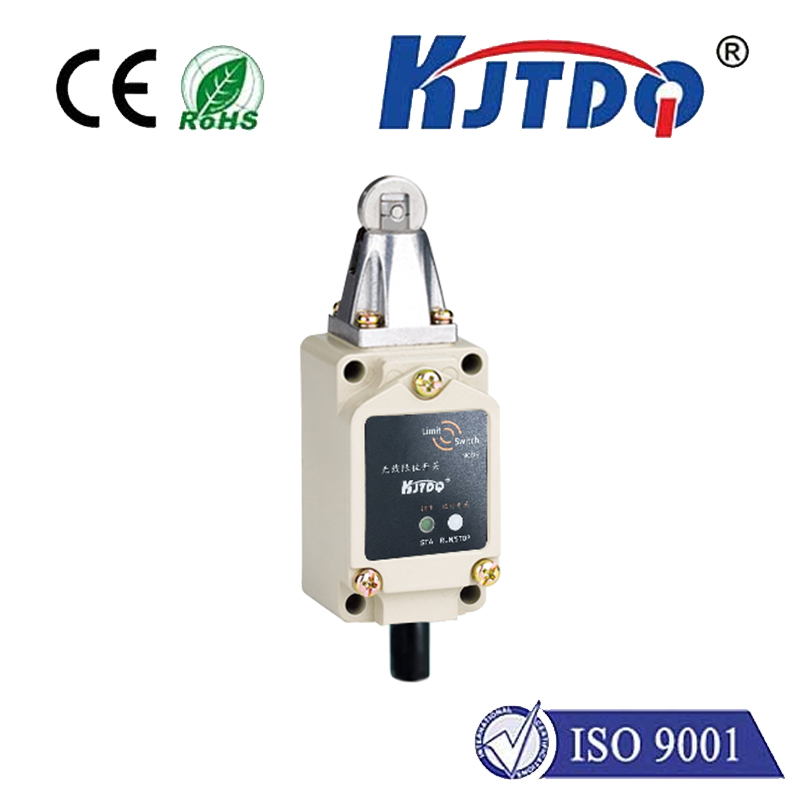
A limit switch is an electromechanical device designed to detect the presence or absence of an object, or to monitor the position of machinery components. It operates by activating or deactivating an electrical circuit when a physical actuator, such as a lever or plunger, is triggered by contact with a target. Jaycar, as a supplier of electronic components, offers a range of these switches suitable for diverse environments, from light-duty hobbyist projects to more demanding industrial settings. The core principle behind their operation is straightforward: they provide a simple, yet effective, method for controlling machine movement and preventing over-travel, which can lead to equipment damage or safety hazards.
When selecting a Jaycar limit switch, several factors must be considered to ensure optimal performance. First, assess the electrical specifications, including voltage and current ratings, to match the switch with your system's power requirements. Jaycar provides options with varying contact configurations, such as normally open (NO) or normally closed (NC) contacts, which influence how the circuit behaves upon activation. Next, consider the mechanical characteristics, like actuator type—whether it's a roller lever, plunger, or whisker—as this determines how the switch interacts with moving parts. Environmental conditions are also critical; for instance, switches used in dusty or humid areas may require sealed housings to prevent contamination and ensure longevity. Jaycar's product range often includes models with IP (Ingress Protection) ratings, indicating their resistance to dust and water, which is vital for harsh operational environments.
In terms of applications, Jaycar limit switches are employed across various sectors. In manufacturing, they are integral to conveyor systems, where they detect the position of items on a line, triggering stops or starts to maintain workflow efficiency. In robotics, these switches serve as end-stops for robotic arms, ensuring they do not exceed their programmed range of motion. For DIY enthusiasts and makers, Jaycar switches are popular in home automation projects, such as garage door openers or 3D printers, where they provide precise control over movement limits. The versatility of these switches lies in their ability to interface with different control systems, including programmable logic controllers (PLCs) and microcontrollers like Arduino, making them accessible for both professionals and hobbyists.
Installation and maintenance are straightforward but require attention to detail. During installation, ensure the switch is mounted securely and aligned correctly with the moving part to avoid false triggers or missed signals. Wiring should follow standard safety protocols, with proper insulation and connection to the control circuit. Regular maintenance involves inspecting the actuator for wear and tear, checking electrical connections for corrosion, and testing the switch's response to ensure it operates within specified parameters. Jaycar limit switches are designed for durability, but like any mechanical component, they benefit from periodic checks to prevent unexpected downtime.
One of the advantages of choosing Jaycar is the availability of support resources, such as datasheets and community forums, where users can find technical details and share practical experiences. This ecosystem helps in troubleshooting common issues, like switch chatter or failure to activate, which can often be resolved by adjusting the actuator position or cleaning contacts. Additionally, Jaycar's product lineup typically includes compatible accessories, such as mounting brackets or protective covers, enhancing the switch's adaptability to specific setups.
In summary, Jaycar limit switches offer a reliable solution for motion control and safety in various applications. By understanding their operational principles, carefully selecting based on electrical and mechanical needs, and following best practices for installation and upkeep, users can leverage these devices to enhance system performance. Whether in an industrial plant or a home workshop, the humble limit switch remains a cornerstone of automated control, and Jaycar's offerings provide a balance of quality and accessibility that meets diverse demands. As technology evolves, the fundamental role of such components continues to be relevant, underscoring the importance of informed selection and application.