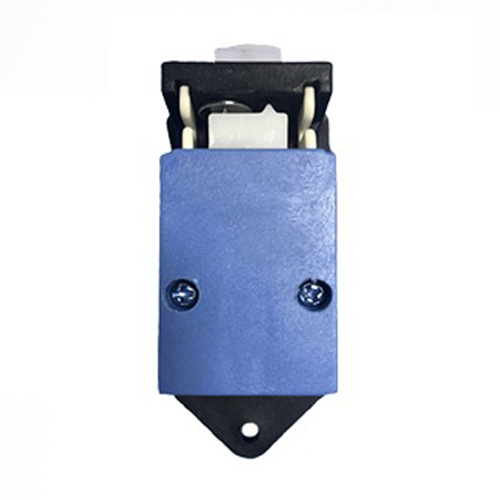
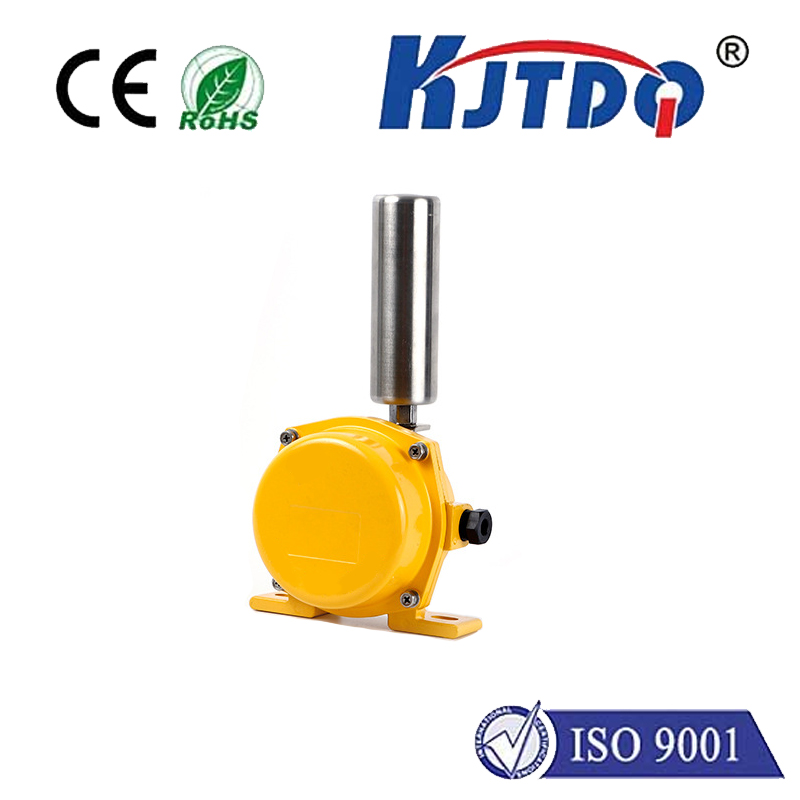
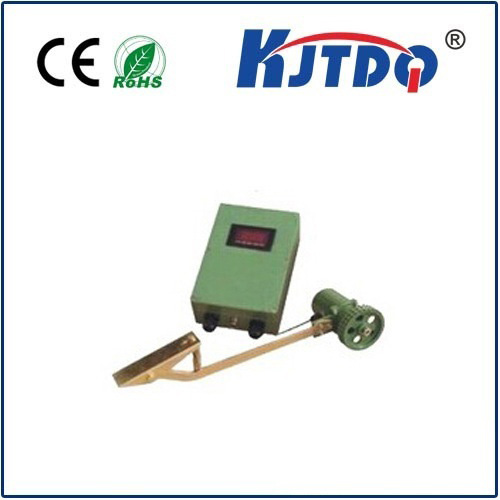
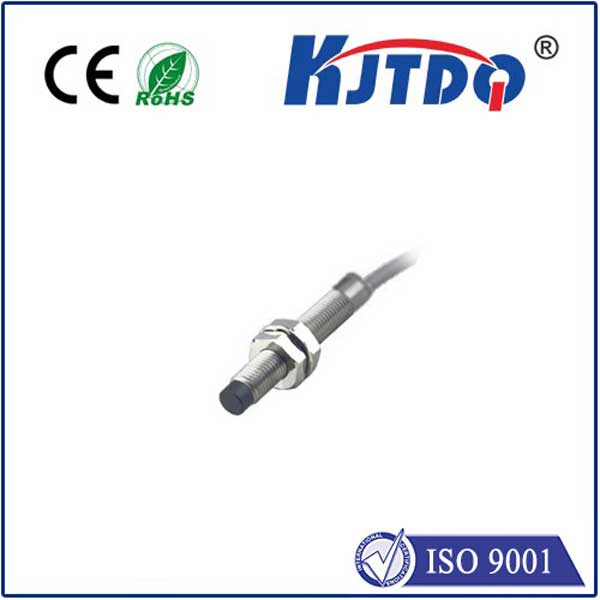
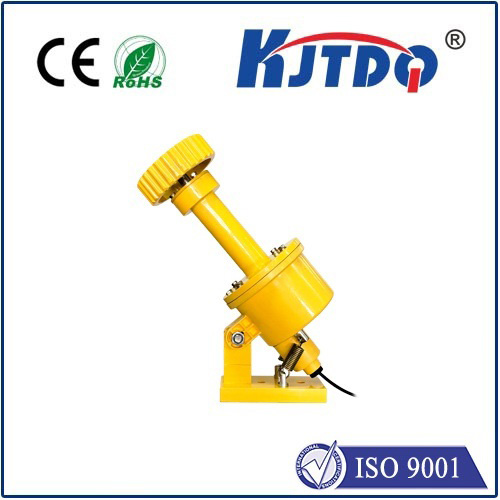
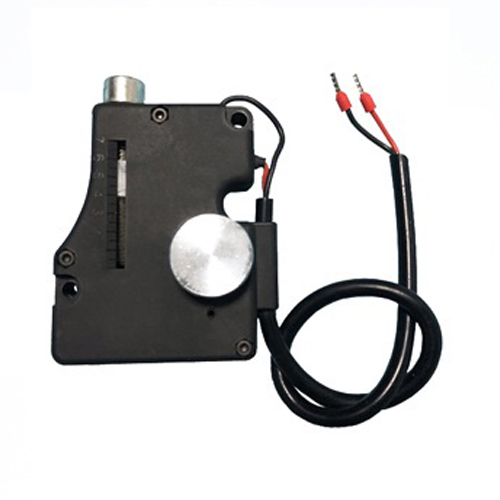
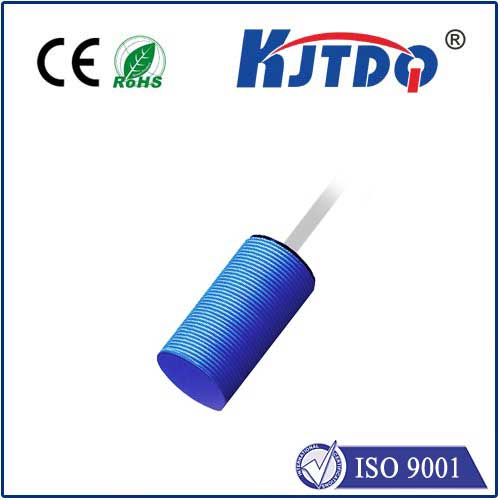
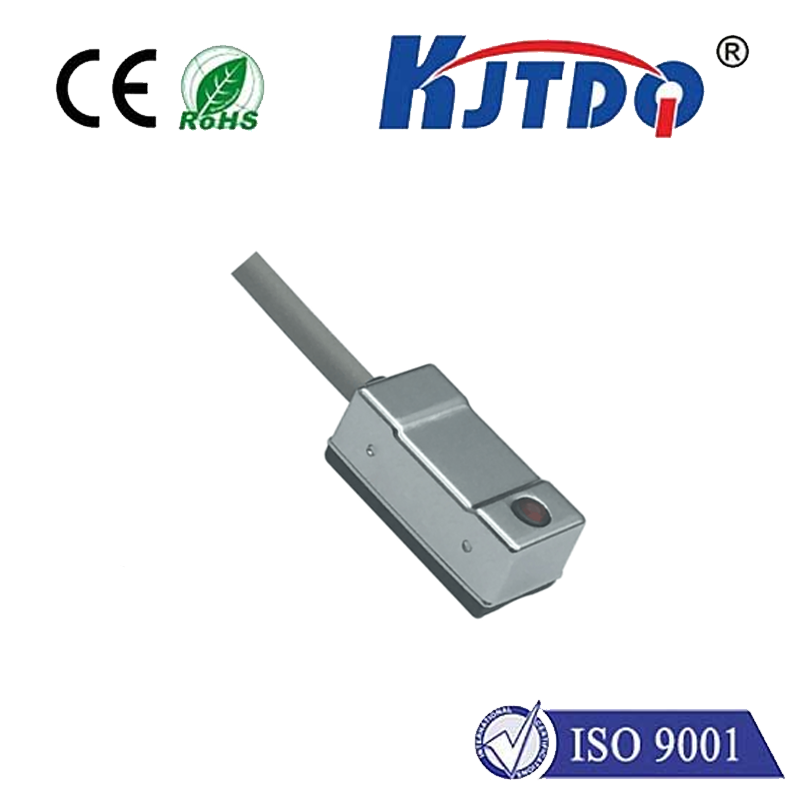
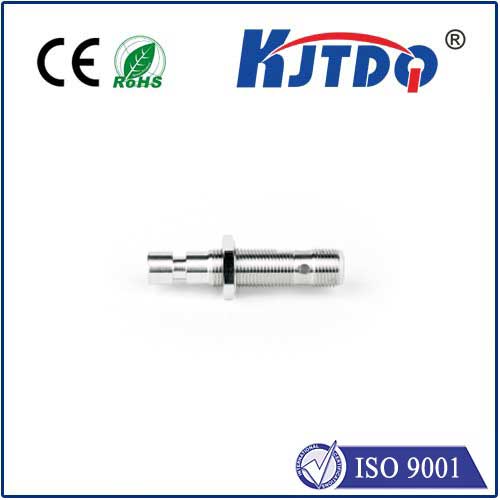
In the intricate world of electronic components and control systems, the 5V limit switch stands as a fundamental yet critical device. Its primary function is to detect the presence or absence of an object, or to monitor the position of a moving part, and then send a corresponding signal to a control circuit. Operating at a low voltage of 5 volts DC, this switch is a cornerstone in low-power, precision applications, particularly where integration with modern digital logic circuits is essential.
The operational principle of a 5V limit switch is elegantly simple. Typically, it consists of an actuator (like a lever, roller, or plunger) mechanically linked to a set of internal electrical contacts. When an external object makes contact with the actuator, it triggers a physical movement. This movement causes the internal contacts to either open (break the circuit) or close (complete the circuit). This change in the electrical state generates a clean, 5V digital signal—often a transition from 0V to 5V or vice-versa—which is perfectly compatible with microcontrollers, programmable logic controllers (PLCs), and other digital input modules. This compatibility is a key reason for its widespread adoption.
The applications for 5V limit switches are vast and varied across numerous industries. In robotics and automated machinery, they serve as precise end-stop sensors, preventing robotic arms or linear actuators from moving beyond their safe mechanical boundaries. This is crucial for both operational accuracy and equipment safety. Within consumer electronics and computer peripherals, such as printers and 3D printers, these switches are used for homing sequences, ensuring the print head or carriage starts from a known, calibrated position. Hobbyist projects, especially those involving Arduino, Raspberry Pi, or other development boards, heavily rely on 5V limit switches for interactive elements, position feedback in DIY CNC machines, and simple automation tasks. Their low voltage requirement makes them safe and easy to interface directly with these popular microcontroller boards.
When selecting a 5V limit switch for a specific application, several critical factors must be considered. The first is the switching mechanism: does the application require a normally open (NO) or normally closed (NC) configuration? The actuator type is equally important; a roller lever might be ideal for sensing moving objects on a conveyor, while a precision plunger is better for detecting precise linear positions. Environmental durability is another major concern. Switches are rated with an Ingress Protection (IP) code; a higher IP rating (like IP67) indicates robust protection against dust and water ingress, making the switch suitable for harsh industrial or outdoor environments. Finally, the physical size, mounting style, and electrical lifespan (rated in millions of cycles) must align with the spatial constraints and longevity requirements of the project.
Proper installation and wiring are paramount for reliable operation. The 5V power supply must be stable and clean, as voltage spikes or noise can lead to false triggering. The signal wire from the switch is typically connected to a digital input pin on the controller. It is often considered good practice to use a pull-up or pull-down resistor (either external or enabled internally in the microcontroller) to ensure the input pin reads a definite logic state when the switch is open. For switches used in electrically noisy environments, such as near motors or solenoids, additional shielding or filtering of the signal line may be necessary to prevent electromagnetic interference.
Troubleshooting common issues with 5V limit switches usually involves a methodical approach. If the switch fails to register, one should first verify the 5V power connection and ground. Next, check the continuity of the switch itself using a multimeter while manually operating the actuator. Inspect the wiring for any breaks or loose connections. If the switch triggers erratically, environmental factors like vibration, contamination (dust, oil), or electrical noise are likely culprits. Ensuring the switch is securely mounted and selecting a model with an appropriate environmental rating can mitigate these problems. Regular maintenance, such as cleaning the actuator mechanism, can significantly extend the operational life of the switch.
Looking ahead, the role of the 5V limit switch continues to evolve alongside technological advancements. While basic mechanical designs remain prevalent, there is a growing trend towards miniaturization and the integration of solid-state hall effect or optical sensing technologies within the same form factor, offering even higher reliability and faster response times without physical contact. Furthermore, these traditional switches are increasingly being networked as part of larger IoT (Internet of Things) systems, providing valuable positional data to cloud-based monitoring platforms. Despite these innovations, the core utility of providing a simple, reliable, and low-voltage digital signal for position detection ensures that the 5V limit switch will remain an indispensable component in electronic design and industrial automation for the foreseeable future.