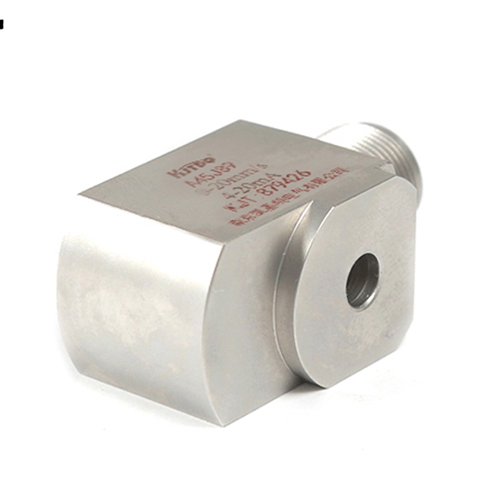
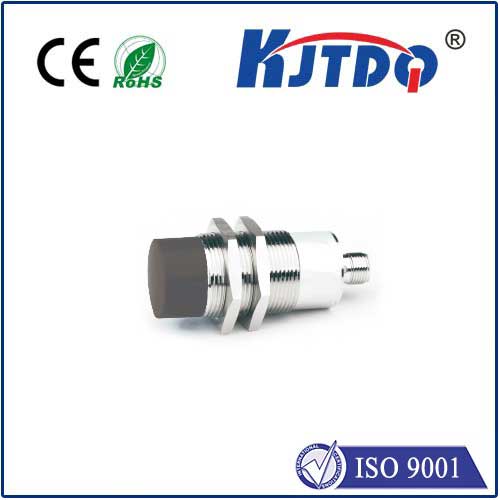
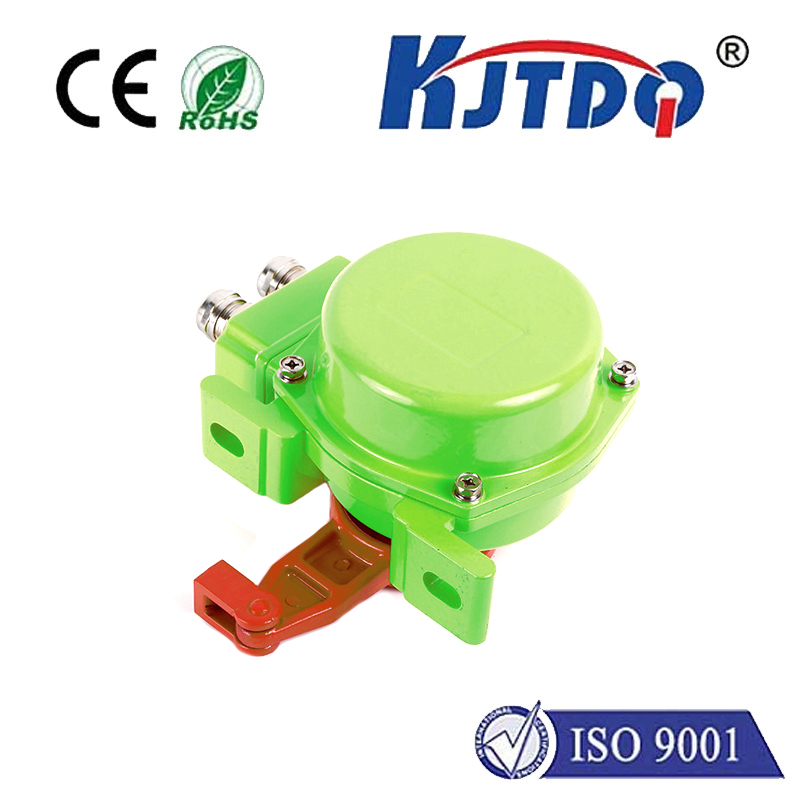
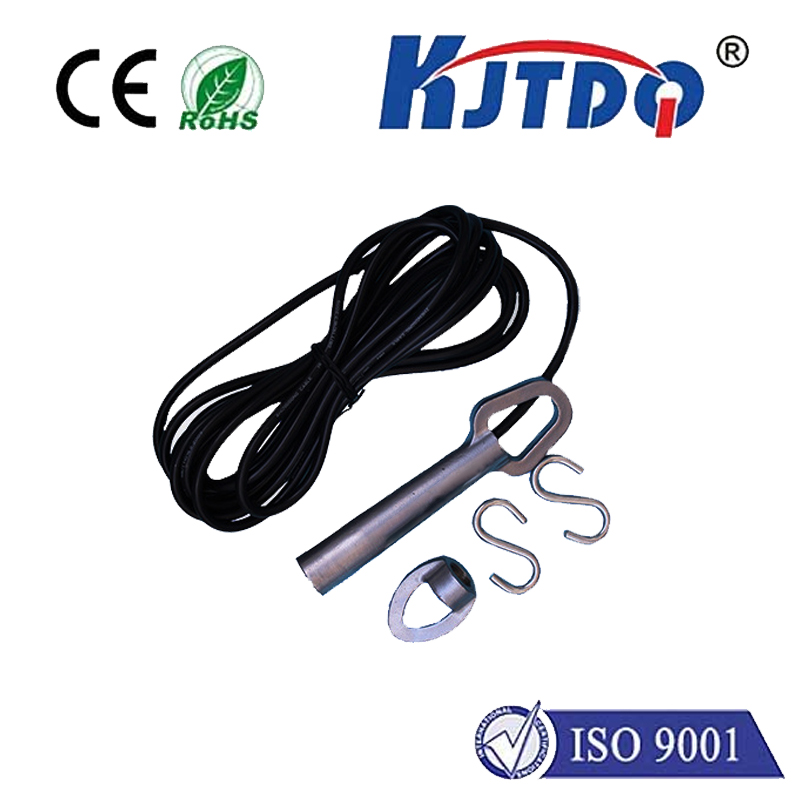
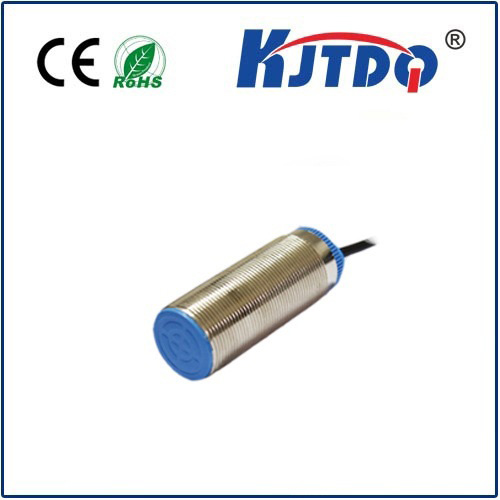
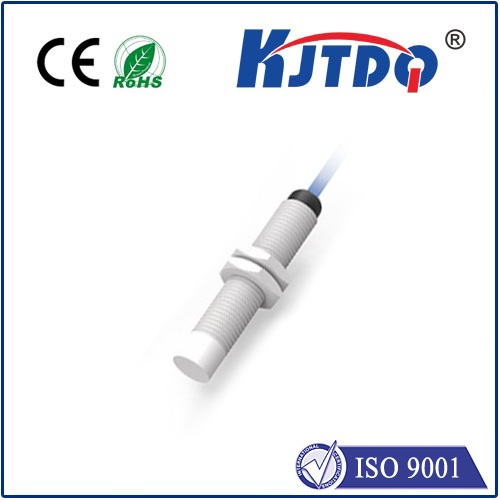
In the world of automotive repair, maintenance, and industrial lifting, precision and safety are non-negotiable. The smooth operation of a vehicle post lift is critical, and at the heart of this reliability lies a seemingly small but profoundly important component: the limit switch. Specifically designed for post lifts, these switches play a pivotal role in preventing over-travel, ensuring safe load positioning, and protecting both equipment and personnel. KJTDQ, as a dedicated provider of industrial control solutions, offers advanced post lift limit switches engineered for maximum durability and performance.
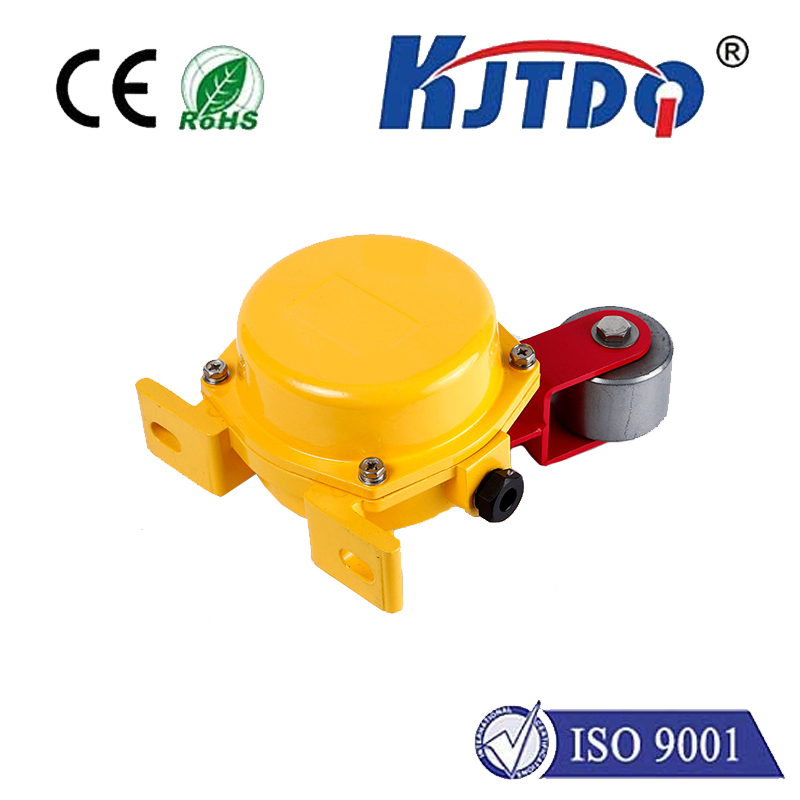
A post lift limit switch is an electromechanical device installed to define the safe upper and lower boundaries of the lift's travel. Its primary function is to automatically halt the lift's movement once the carriage or arms reach a predetermined point. This simple action prevents catastrophic over-extension or over-lowering, which could lead to mechanical failure, damage to the vehicle, or serious injury. Without a properly functioning limit switch, the lift's hydraulic or mechanical system could be subjected to excessive stress, leading to costly repairs and dangerous operational failures.
KJTDQ post lift limit switches are built to withstand the harsh environments typical of workshops and garages. They are constructed from robust materials resistant to oil, grease, dust, and moisture. The internal mechanism is designed for high repeatability and a long mechanical life, enduring millions of cycles without performance degradation. This resilience is crucial in high-frequency commercial settings where lifts are operated dozens of times daily.
The installation and calibration of these limit switches are straightforward but require attention to detail. Technicians must position the switch actuator so it is reliably engaged by the lift's moving parts at the exact desired height. Proper calibration ensures the lift stops precisely where intended, allowing for consistent and safe working heights. KJTDQ switches often feature clear mounting options and adjustable actuators, simplifying this setup process and allowing for fine-tuning to match specific lift models and operational requirements.
Beyond basic safety, these limit switches contribute significantly to operational efficiency. By automating the stopping point, they eliminate the need for manual oversight during the lifting and lowering cycles. This allows technicians to focus on their core tasks without constantly monitoring the lift's position, reducing human error and saving valuable time. Furthermore, by preventing mechanical overload, they reduce wear and tear on the lift's motor, pump, and structural components, extending the overall service life of the entire lifting system.
Modern KJTDQ limit switches may also integrate with broader control systems. They can provide feedback signals to the lift's control panel, indicating position status or triggering warning lights. This integration enhances diagnostic capabilities, allowing for quicker troubleshooting if an issue arises. For facility managers, this means better maintenance planning and reduced unexpected downtime.
When selecting a replacement or upgrade limit switch for a post lift, compatibility, rating, and reliability are key. KJTDQ products are designed to meet or exceed industry standards for electrical load switching (amperage and voltage) and environmental protection (often rated IP67 for dust and water resistance). Choosing a high-quality switch from a reputable provider like KJTDQ is an investment in long-term safety and productivity, far outweighing the risk and cost associated with component failure.
In conclusion, the humble limit switch is a guardian of safety in any lifting operation. KJTDQ's commitment to engineering excellence ensures that their post lift limit switches deliver unwavering reliability. By ensuring precise travel limits, these components protect valuable assets, safeguard personnel, and enable smoother, more efficient workflows in any automotive or industrial service bay. Regular inspection and timely replacement of these critical safety devices should be a cornerstone of any equipment maintenance program.