In the intricate world of industrial automation and machinery control, precision and reliability are non-negotiable. Among the myriad components that ensure seamless operation, the limit switch stands as a fundamental sentinel, defining the boundaries of motion. The CM 1308 limit switch emerges as a prominent solution in this critical category, designed to deliver consistent performance in demanding environments. This guide delves into the specifics of the CM 1308, exploring its applications, benefits, and why it remains a trusted choice for engineers and maintenance professionals.
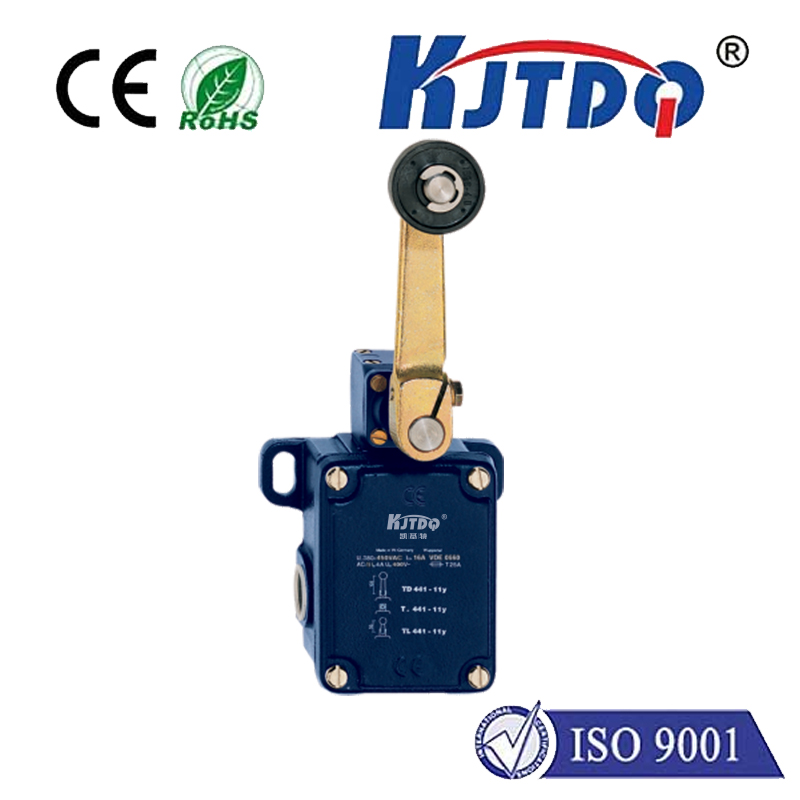
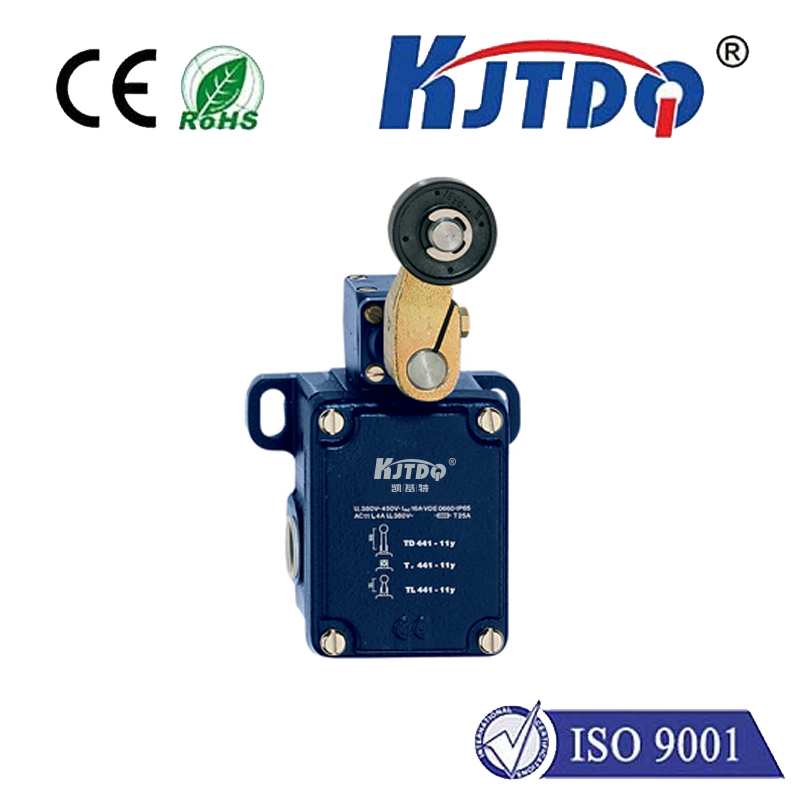
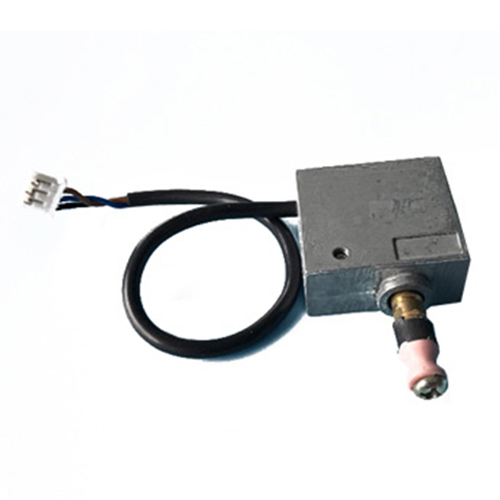
At its core, a limit switch is an electromechanical device that detects the presence or absence of an object, or monitors the limits of travel, by physically making or breaking an electrical contact. The CM 1308 model is engineered for durability and accuracy. It typically features a robust housing, often constructed from metal or high-grade industrial plastic, providing protection against dust, moisture, oil, and mechanical impacts. This makes it suitable for installation in harsh settings such as manufacturing floors, material handling systems, and packaging lines. The actuator mechanism—the part that is physically triggered—can vary, including lever arms, roller plungers, or push rods, allowing for versatile mounting and interaction with different machine parts.
The operational principle of the CM 1308 is straightforward yet effective. When a moving machine part or object comes into contact with the switch's actuator, it triggers an internal mechanism. This action changes the state of the electrical contacts within the switch, either opening or closing a circuit. This signal is then sent to the machine's control system—like a Programmable Logic Controller (PLC)—which interprets it as a command to stop, start, or change the direction of a motor or process. For instance, on a conveyor belt, a CM 1308 limit switch can be positioned to detect when a pallet reaches the end of the line, signaling the system to halt the conveyor or activate a diverter.
One of the key advantages of the CM 1308 limit switch is its proven reliability. Unlike purely solid-state sensors, which can be susceptible to electrical noise or certain environmental conditions, a well-built mechanical limit switch like the CM 1308 offers a direct, physical confirmation of position. This tangible feedback loop is invaluable for safety-critical applications where absolute certainty is required. Maintenance is also relatively simple; the clear mechanical action allows technicians to easily diagnose issues through visual inspection or basic electrical testing.
When selecting a limit switch for an application, several factors must be considered, and the CM 1308 often meets these criteria. The electrical rating (voltage and current capacity) must match the control circuit's requirements. The mechanical life expectancy, often rated in millions of operations, indicates longevity. Environmental protection, denoted by IP (Ingress Protection) ratings, is crucial for resistance to contaminants. The CM 1308 is typically designed to meet robust industrial standards, ensuring it can withstand vibration, temperature fluctuations, and repeated use.
Common applications for the CM 1308 are widespread. You will find it in automated assembly machines, where it confirms the position of a robotic arm. It is essential in crane and hoist systems to prevent over-travel and ensure safe upper and lower limits. In woodworking or metal-cutting machinery, it defines the start and end points of a cutting path. Its versatility also extends to access control systems, where it can monitor whether a door or gate is fully closed or open.
For optimal performance and longevity, proper installation and routine inspection of the CM 1308 limit switch are vital. It should be mounted securely to prevent misalignment, which could cause false triggering or failure to actuate. The actuator should be positioned so that it engages smoothly with the target object without excessive force. Regular checks for physical damage, wear on the actuator arm, and cleanliness of the contact area can prevent unplanned downtime. Keeping a spare CM 1308 on hand is a prudent practice for critical processes to facilitate quick replacement.
In conclusion, the CM 1308 limit switch represents a timeless piece of industrial control technology. Its strength lies in its simplicity, durability, and direct interface with the physical world of machinery. While advanced sensor technologies continue to evolve, the fundamental role of the reliable mechanical limit switch remains unchallenged in countless applications. For engineers seeking a cost-effective, robust, and easily understandable solution for position sensing and travel limitation, the CM 1308 continues to be a cornerstone component, ensuring machines operate safely, efficiently, and within their designed parameters.