Проверка
Проверка
Проверка
Проверка
Проверка
Проверка
In industrial heating applications, electric furnaces are critical for processes ranging from metal heat treatment to ceramic firing. The precise control of these high-temperature environments is paramount, not only for product quality but also for operational safety and energy efficiency. This is where a specialized component, the limit switch, plays an indispensable role. Specifically designed for the harsh conditions of an electric furnace, a robust limit switch acts as a vigilant sentinel, ensuring the system operates within its designated parameters.
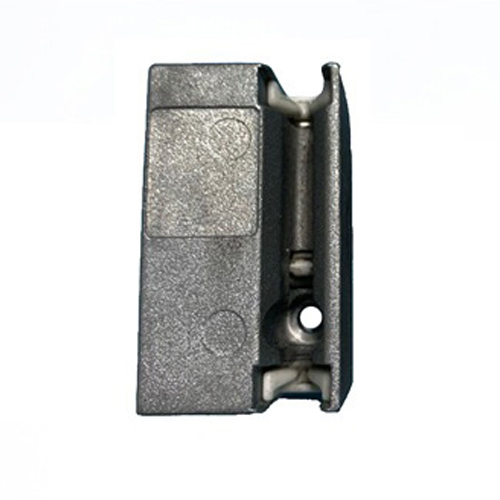
A limit switch for an electric furnace is a electromechanical device that monitors the position or movement of a component within the furnace system, such as a door, damper, or conveyor. Its primary function is to provide a clear electrical signal when a predetermined limit is reached. This signal is then used by the furnace's control system to initiate a specific action. The most common and critical application is safety interlocking. For instance, a limit switch is typically installed on the furnace access door. When the door is opened, the switch is actuated, immediately cutting power to the heating elements. This prevents accidental exposure to high temperatures and electric arcs, protecting personnel from severe burns or electrical hazards. Conversely, the furnace cannot be energized unless the door is securely closed and the switch is in the "closed" position, enforcing a fundamental safety protocol.
Beyond basic safety, these switches contribute significantly to process consistency and furnace longevity. Consider a batch furnace with a moving hearth. Limit switches can be positioned to detect the precise start and end points of the hearth's travel. This ensures each batch is correctly located within the hot zone for uniform heating, eliminating guesswork and manual errors. For continuous furnaces, limit switches on conveyor systems help maintain proper indexing and prevent jams that could cause costly downtime or damage to both the product and the furnace lining. By providing accurate positional feedback, they enable automated sequencing that enhances overall throughput.
The operating environment of an electric furnace presents extreme challenges, including sustained high ambient temperatures, thermal cycling, conductive dust, and sometimes corrosive atmospheres. A standard industrial limit switch would quickly fail under such duress. Therefore, a limit switch engineered for this application must possess specific characteristics. The housing is often constructed from heavy-duty metals like stainless steel or robust engineered plastics with high thermal ratings. Internal components and springs are designed to withstand thermal expansion and fatigue. Sealing is critical; high ingress protection (IP) ratings, such as IP67, are common to keep out conductive dust and contaminants that could cause short circuits or switch failure. The electrical contacts are designed for reliability, often using precious metals to ensure a stable signal even after millions of cycles.
Selecting the right limit switch requires careful consideration of several factors. The temperature rating of the switch must exceed the maximum ambient temperature near its installation point. The mechanical configuration—whether roller lever, plunger, or rod—must suit the motion it needs to detect. Electrical specifications like voltage, current rating (both for the load and the control circuit), and contact arrangement (normally open or normally closed) must match the furnace's control logic. Durability, expressed in mechanical and electrical life cycles, is a key indicator of quality and total cost of ownership. Opting for a switch from a reputable manufacturer specializing in industrial or high-temperature components is crucial for reliability.
Proper installation and routine maintenance are the final steps to ensure optimal performance. The switch must be mounted securely to avoid vibration-induced misalignment. The actuator (e.g., the door or moving part) must engage the switch mechanism consistently and fully without over-travel that could cause mechanical damage. Periodic inspection for physical damage, accumulation of debris, and testing of its electrical function should be part of the furnace's preventative maintenance schedule. A failing switch might stick or provide an intermittent signal, compromising safety and process control.
In conclusion, the limit switch is far more than a simple on/off device in the context of an electric furnace. It is a fundamental safety interlock, a guardian of process integrity, and an enabler of automation. By ensuring doors are safely closed, components are in correct positions, and movements are precisely controlled, a high-quality, furnace-rated limit switch directly contributes to a safer workplace, more consistent product quality, reduced energy waste, and protected capital investment. When integrating or maintaining an electric furnace system, specifying and caring for the correct limit switch is a critical decision that underpins both operational excellence and personnel safety.