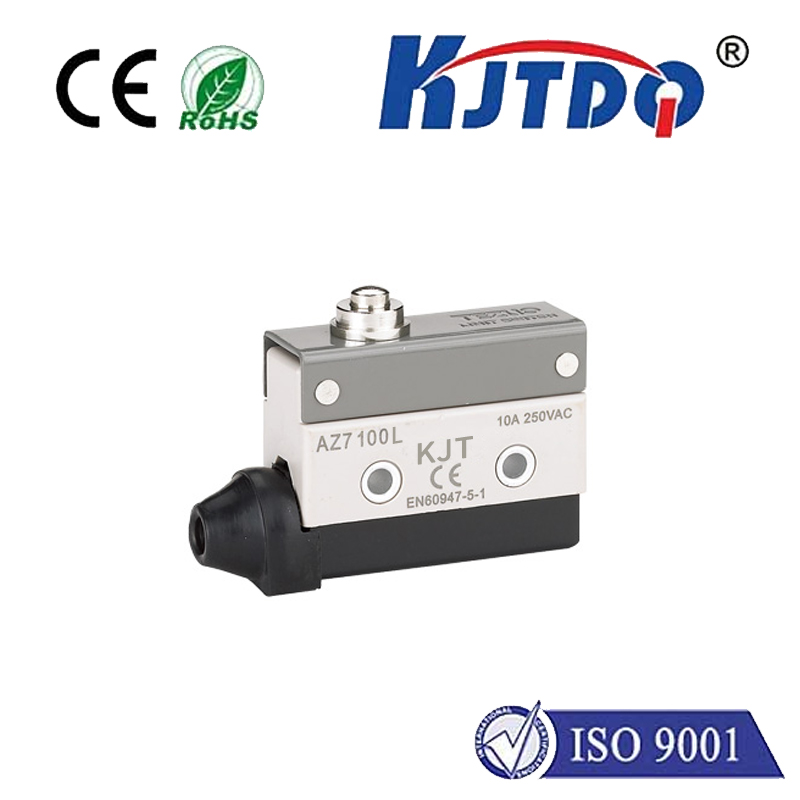
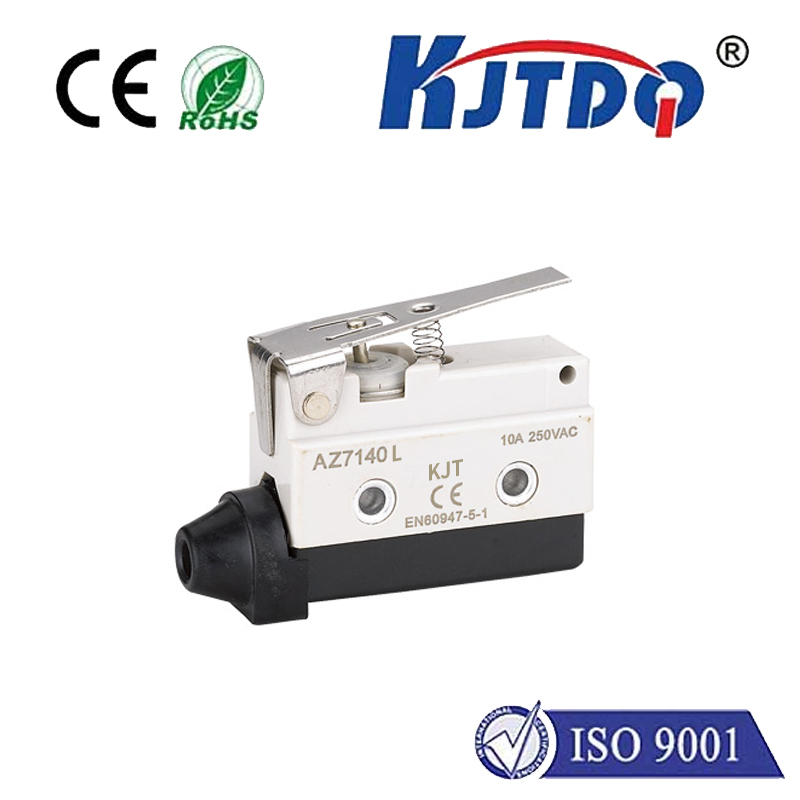
In the intricate world of industrial automation and machinery control, the reliability of every component is paramount. Among these critical elements, the rocker limit switch stands out as a fundamental device for ensuring operational safety, precision, and efficiency. This switch, characterized by its actuating mechanism—a rocking lever or arm—serves as a sentinel, detecting the presence or position of an object and sending a definitive signal to control a circuit. Its role is indispensable in applications ranging from conveyor systems and packaging machinery to robotic arms and safety gates.
The operational principle of a rocker limit switch is elegantly straightforward yet highly effective. Typically, the switch is mounted in a strategic location where machine movement needs to be monitored. As a moving part of the machine, such as a carriage or door, comes into contact with the rocker arm, it triggers the lever to pivot. This physical movement actuates an internal set of electrical contacts, either opening or closing a circuit. This change in electrical state is instantly communicated to the machine's control system—a Programmable Logic Controller (PLC) or relay—which then executes a pre-programmed command. This command could be to stop a motor, reverse a direction, initiate a new sequence, or activate an alarm, thereby preventing over-travel, collisions, or other hazardous conditions.
The design and construction of high-quality rocker limit switches are tailored to withstand the harsh realities of industrial environments. Key features often include robust housings made from durable materials like metal or high-grade thermoplastics, providing resistance against impact, vibration, and corrosion. Sealing to international standards such as IP67 is common, offering protection against dust ingress and temporary immersion in water, which is crucial for washdown areas in food processing or outdoor applications. The internal switching mechanism is engineered for longevity, capable of enduring millions of cycles with consistent performance. Furthermore, many models offer adjustable rocker arms or various lever lengths and styles, allowing for precise tuning to specific mechanical movements and installation requirements.
When selecting a rocker limit switch for an application, several technical specifications demand careful consideration. The electrical rating, including voltage and current capacity (both AC and DC), must match the control circuit's demands. The mechanical life expectancy, often rated in millions of operations, indicates durability. The operating force required to actuate the lever and the reset force are vital for ensuring reliable triggering without false signals. Environmental ratings for temperature, humidity, and resistance to oils or chemicals are equally important. For instance, in automotive manufacturing, switches must resist cutting fluids, while in pharmaceutical settings, they must endure frequent sterilization.
The applications for rocker limit switches are vast and varied. In material handling, they are used to limit the travel of automated guided vehicles (AGVs) or to signal when a conveyor belt has reached the end of its track. In assembly lines, they ensure robotic arms do not exceed their programmed range of motion. As safety interlocks on machine guards, they cut power when a door is opened, protecting personnel. Their simplicity, reliability, and direct mechanical feedback make them a preferred choice over more complex and costly proximity sensors in many scenarios where physical contact is acceptable or even desirable for positive confirmation.
In conclusion, the rocker limit switch remains a cornerstone of industrial control systems. Its ability to provide a simple, robust, and cost-effective solution for position detection and operational sequencing is unmatched. By converting a precise mechanical action into a definitive electrical signal, it forms a critical link between the physical movement of machinery and the digital logic of control systems. For engineers and maintenance professionals, understanding its function, specifications, and proper application is key to designing safe, efficient, and reliable automated processes. As technology advances, the fundamental role of this dependable component continues to be reaffirmed in factories and plants worldwide.