Проверка
Проверка
Проверка
Проверка
Проверка
Проверка
In the world of CNC machining and DIY automation, precision and safety are non-negotiable. The integration of a reliable limit switch system is a cornerstone of achieving both. When paired with a popular controller like the Arduino Uno or Mega, the CNC Shield V3 becomes a powerful platform. This guide delves into the critical role of limit switches and how to effectively implement them with the CNC Shield V3 to protect your machine and improve its operational accuracy.
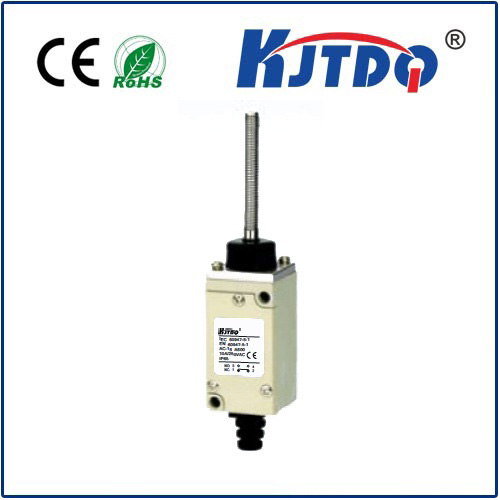
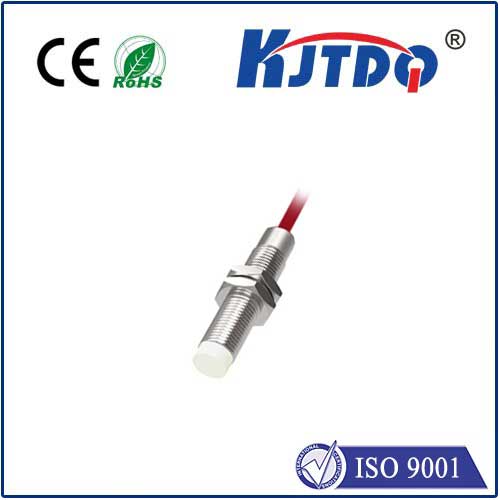
A limit switch is a fundamental electromechanical device used to detect the presence or absence of an object, or to monitor the boundaries of movement. In CNC applications, they are strategically placed at the ends of each axis travel (X, Y, and Z). Their primary function is to halt the machine's movement before the mechanical components, such as the lead screw or the moving gantry, crash into the physical limits of the frame. This prevents costly damage to motors, drive systems, and the workpiece itself. Beyond just emergency stops, limit switches are also used for precise homing sequences. Upon startup, the machine can automatically move each axis until it triggers the limit switch, establishing a known, repeatable reference point (home position) from which all coordinates are calculated. This ensures consistent positioning for every job.
The CNC Shield V3 is a versatile and affordable expansion board designed to sit on top of an Arduino, providing the necessary drivers and connections to control stepper motors for a 3-axis CNC machine or 3D printer. Its compact design includes slots for up to four Pololu-compatible stepper driver modules, cooling fans, spindle control, and crucially, dedicated pin headers for connecting limit switches for each axis. The shield simplifies wiring and organizes control logic, making it a favorite among hobbyists and prototyping professionals.
Connecting limit switches to the CNC Shield V3 is a straightforward process, but attention to detail is key. The shield has labeled pins for X-, X+, Y-, Y+, Z-, Z+ limit switch inputs. Typically, mechanical limit switches with a normally open (NO) configuration are used. One wire from each switch is connected to its designated axis pin on the shield, and the other wires are commonly daisy-chained together and connected to the ground (GND) pin on the shield. It is essential to enable the internal pull-up resistors in your control software (like GRBL) for these input pins, so the system correctly reads the open (high) and closed (low) state of the switch. For optimal noise immunity and reliability over longer distances, using shielded cables and ensuring a solid common ground is highly recommended. After physical installation, the switches must be carefully tested. Manually trigger each switch while the motors are disabled to verify the control software correctly registers the trigger event.
Configuring the control firmware is the next critical step. For the CNC Shield V3 running GRBL, this involves sending specific commands via a serial terminal. Key parameters to set include enabling the hard limits feature ($21=1) and inverting the limit pin logic if necessary ($5=1), depending on your wiring and switch type. The homing cycle is also configured here, defining the direction and sequence in which the machine seeks the switches upon a$H command. Proper configuration ensures that when a limit is triggered, the machine immediately stops and requires a manual reset, forcing the operator to address the over-travel condition. This enforced pause is a vital safety protocol.
The benefits of a properly installed limit switch system are immense. Firstly, it acts as a primary safety guard, preventing catastrophic collisions that can bend lead screws, break tools, or destroy the machine's frame. Secondly, it enables automated homing, saving time and eliminating manual positioning errors. This leads to improved repeatability and precision in cutting or engraving tasks. Thirdly, it protects the stepper motors from losing steps due to forced stalls, extending their lifespan. For anyone serious about CNC operation, skipping limit switches is a significant risk that jeopardizes both equipment and project outcomes.
Troubleshooting common issues is part of the process. If a limit switch is falsely triggering, check for loose wiring, electrical noise from motor cables running too close to signal wires, or a faulty switch. If the machine does not stop when a switch is triggered, verify the firmware settings, the continuity of the wiring, and that the correct pin assignments are made. Always test with reduced motor speeds and while being ready to cut power manually.
In conclusion, the Limit Switch CNC Shield V3 combination is a fundamental setup for building a robust, safe, and accurate CNC machine. It transforms a basic motion control system into a professional-grade tool with essential safety features. By understanding the function, implementing a correct wiring scheme, and meticulously configuring the software, you invest in the longevity of your machine and the quality of your work. Do not view limit switches as an optional add-on; they are an indispensable component for responsible and precise CNC machining.