In the world of industrial automation and building management, precision and reliability are non-negotiable. One critical component that ensures the smooth and safe operation of roller shutters, doors, and gates is the often-overlooked roller shutter limit switch. This device plays a pivotal role in defining the open and closed positions, preventing mechanical damage and enhancing overall system safety. Understanding its function, types, and benefits is essential for anyone involved in specifying, installing, or maintaining automated closure systems.
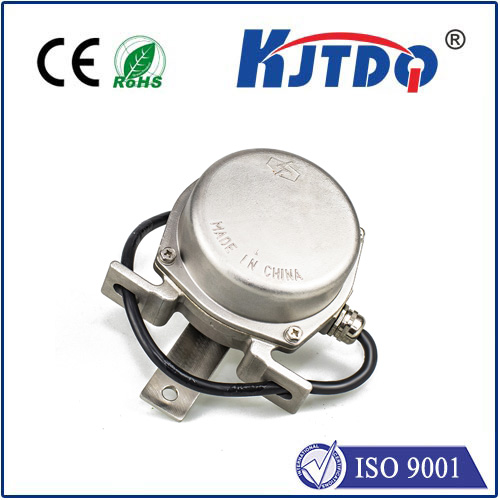
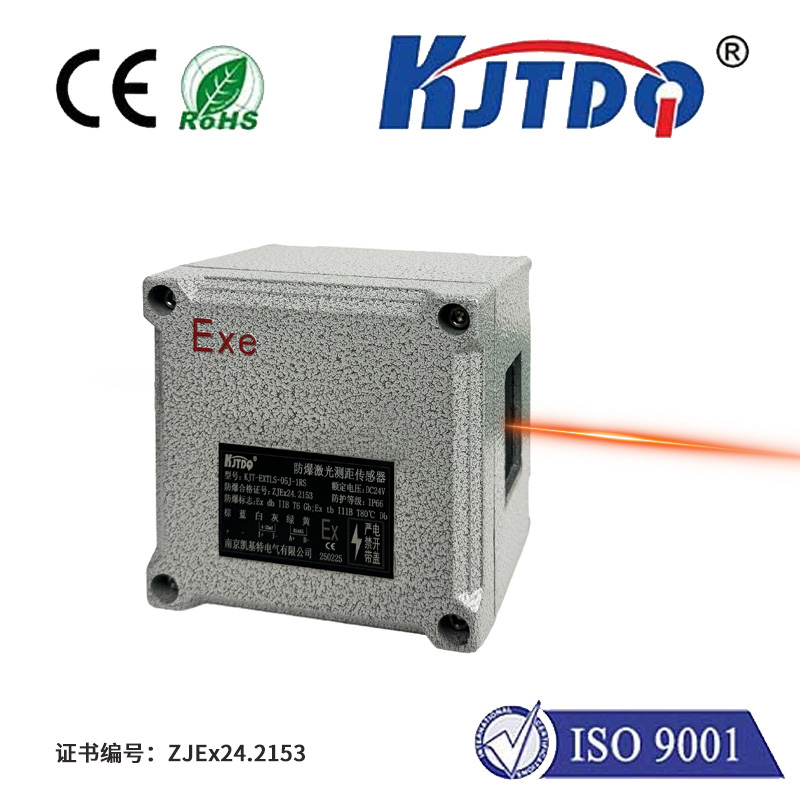
A roller shutter limit switch is an electromechanical device designed to detect the presence or position of a moving object—in this case, a roller shutter. It is typically installed at the endpoints of the shutter's travel path. When the shutter reaches a predetermined open or closed position, it actuates the switch. This action sends a signal to the motor control unit, instructing it to stop, thereby preventing the motor from forcing the shutter beyond its mechanical limits. This simple yet effective mechanism is fundamental to protecting the motor, gearbox, and shutter slats from strain and potential failure.
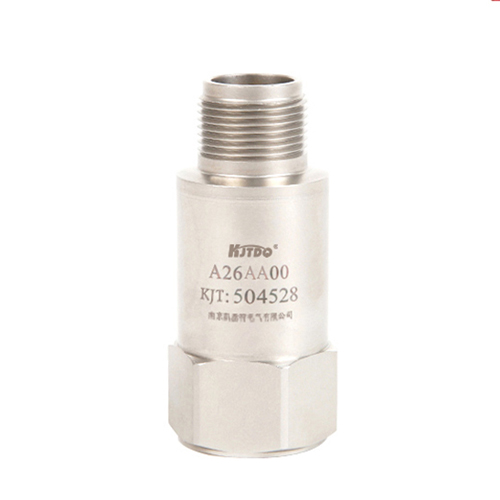
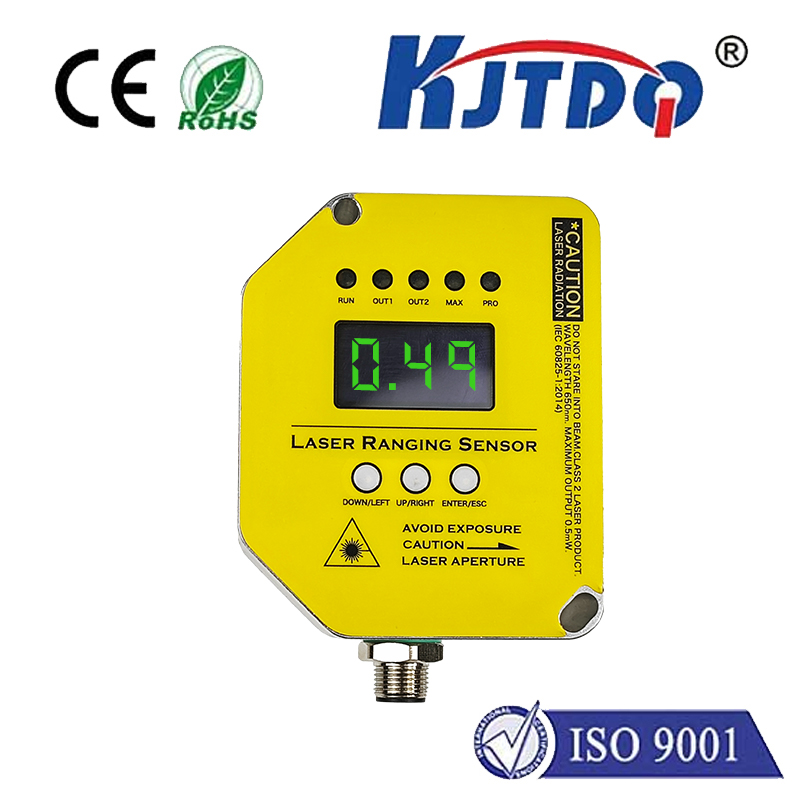
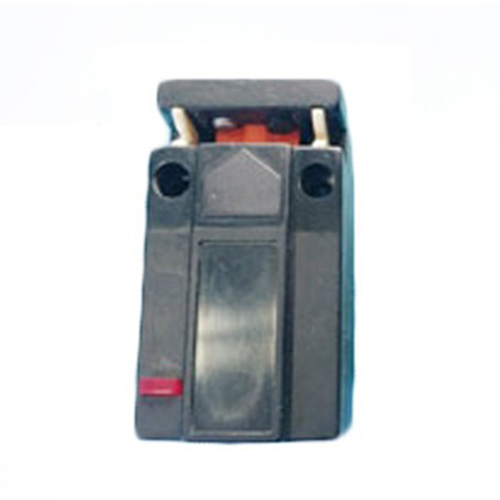
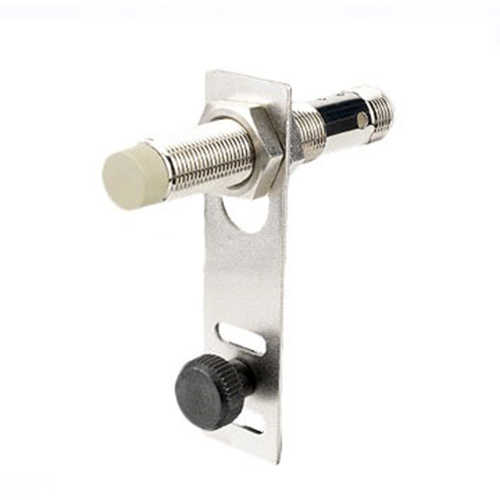
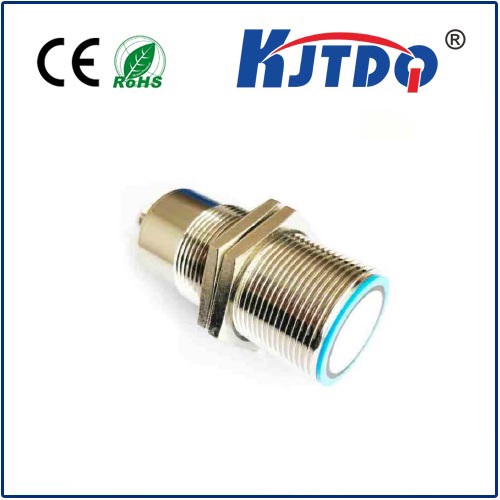
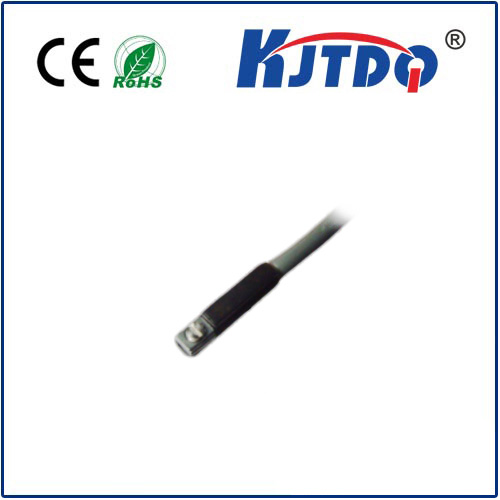
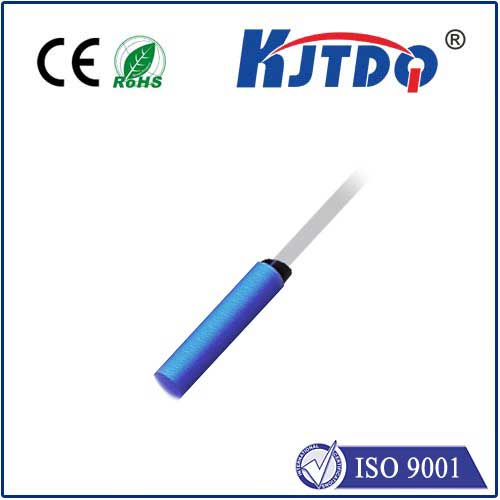
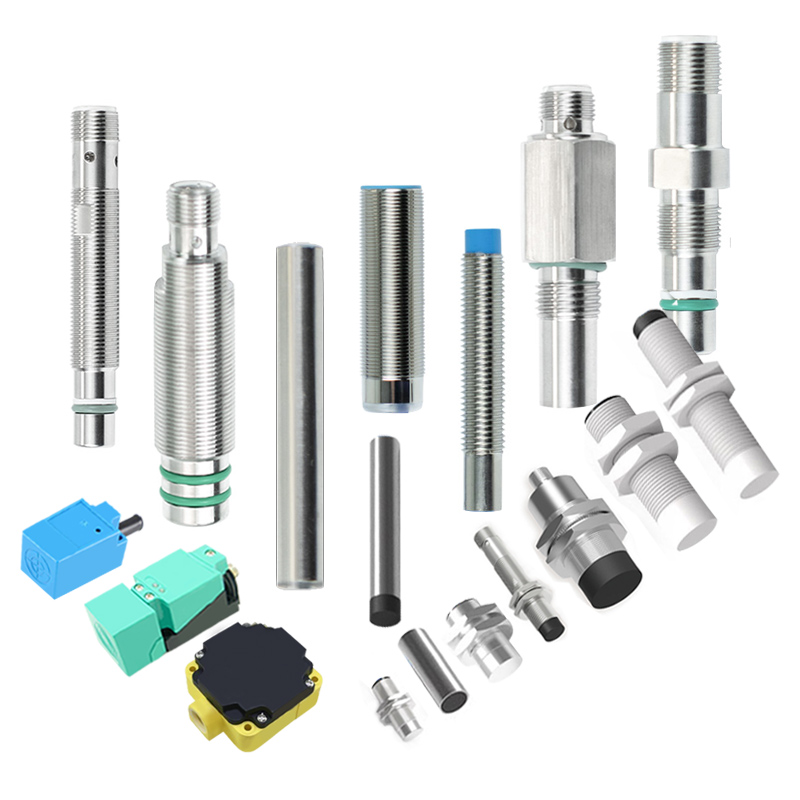
There are several types of limit switches employed in roller shutter applications, each suited to different environmental and operational demands. The most common is the mechanical limit switch, which uses a physical lever, roller, or plunger that is pushed by the moving shutter. These are robust, cost-effective, and widely used in standard environments. For more demanding or precise applications, proximity sensors, such as inductive or magnetic switches, are preferred. These non-contact switches detect the presence of a metal target or magnet attached to the shutter, offering higher reliability with no mechanical wear and tear, making them ideal for high-cycle operations or harsh conditions.
The primary benefit of a correctly installed and calibrated limit switch is enhanced safety. By precisely defining the travel limits, it eliminates the risk of the shutter overrunning its track, which could lead to structural damage, detachment, or even personal injury. Furthermore, it protects the drive system from the damaging effects of "stalling," where the motor continues to run against a physical stop, leading to overheating and burnout. This protection significantly extends the lifespan of the entire shutter assembly, reducing maintenance costs and downtime.
Beyond safety, these switches contribute substantially to operational efficiency. They ensure consistent and repeatable positioning of the shutter. For instance, in a retail setting, a shutter that closes to the exact same position every night provides reliable security. In an industrial climate-controlled warehouse, precise closure is vital for maintaining internal temperature and humidity levels. Automated systems reliant on limit switches can be seamlessly integrated into broader building management systems, allowing for scheduled operations, remote monitoring, and integration with fire alarms or security protocols.
Selecting the right limit switch requires careful consideration. Factors include the shutter's size, weight, and speed; the required switching frequency; and the operating environment. Installations exposed to dust, moisture, extreme temperatures, or corrosive elements necessitate switches with appropriate Ingress Protection (IP) ratings and corrosion-resistant housings. Proper installation and calibration are equally crucial. The switches must be positioned accurately to trigger at the correct points, and their settings should be periodically checked and adjusted to account for any mechanical wear or seasonal expansion/contraction in the structure.
In conclusion, the roller shutter limit switch is a fundamental component that bridges mechanical movement and electrical control. Its role in safeguarding equipment, ensuring personnel safety, and enabling efficient automation cannot be overstated. For facility managers, installers, and system integrators, investing in high-quality limit switches and ensuring their proper maintenance is a small step that yields significant returns in system longevity, safety compliance, and operational smoothness. As automation continues to advance, these reliable devices remain a cornerstone of intelligent and secure building infrastructure.