In the intricate world of industrial automation, precision control and operational safety are non-negotiable. At the heart of countless systems ensuring these critical parameters lies a fundamental component: the control limit switch. This device, often understated, serves as a vigilant sentinel, dictating the boundaries of motion and action for machinery and processes. Understanding its function, types, and applications is essential for engineers, technicians, and decision-makers aiming to optimize efficiency and prevent costly downtime or hazardous situations.
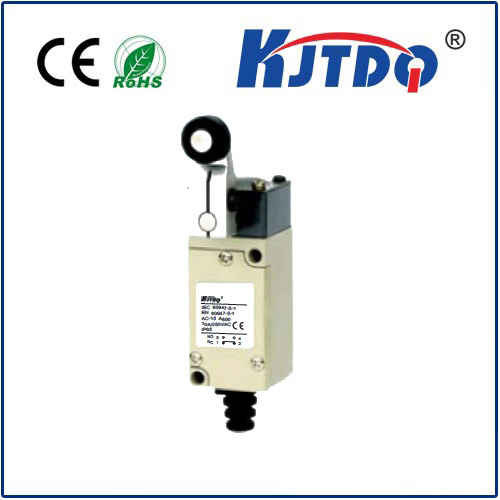
A control limit switch is an electromechanical device designed to detect the presence or absence, passage, positioning, or end-of-travel of an object. It operates by the physical contact of an actuator—such as a lever, roller, or plunger—with the target object. This mechanical action triggers an internal mechanism to change the state of its electrical contacts, thereby opening or closing a control circuit. This simple yet profound action is the cornerstone of automated sequence control, safety interlocks, and repetitive positioning tasks.
The operational principle hinges on reliability. When a machine part reaches a predetermined point, it engages the switch's actuator. This engagement sends a definitive signal to the control system—like a programmable logic controller (PLC)—to initiate the next command in the sequence, such as stopping a motor, reversing direction, activating a solenoid, or triggering an alarm. This real-time feedback is indispensable for creating closed-loop control systems where machine actions are contingent upon verified positional data.
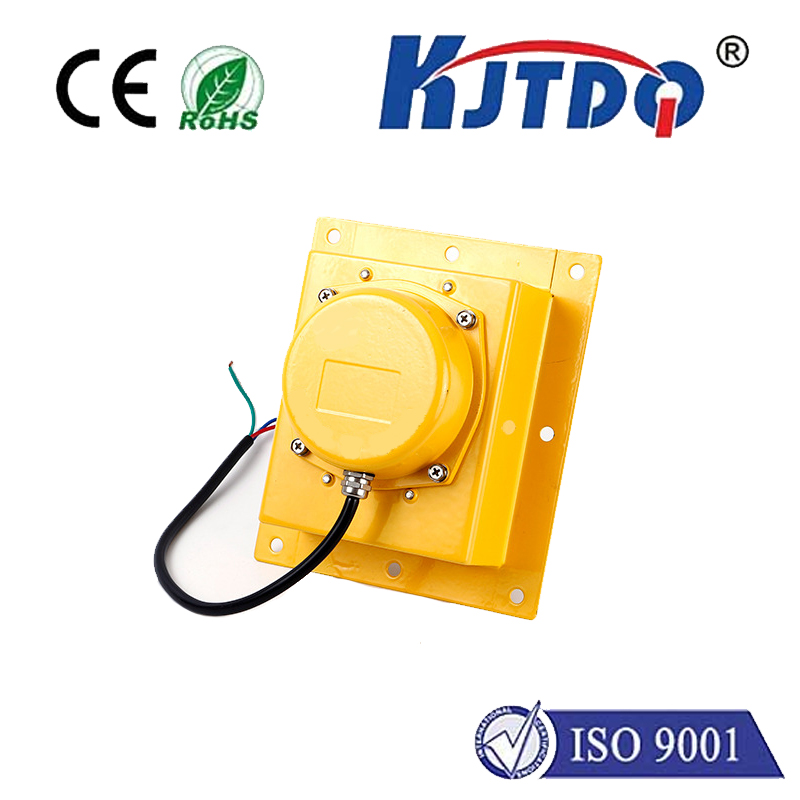
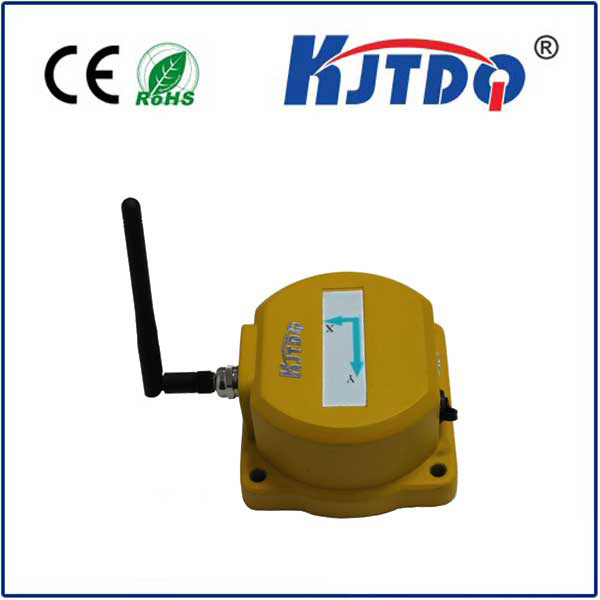
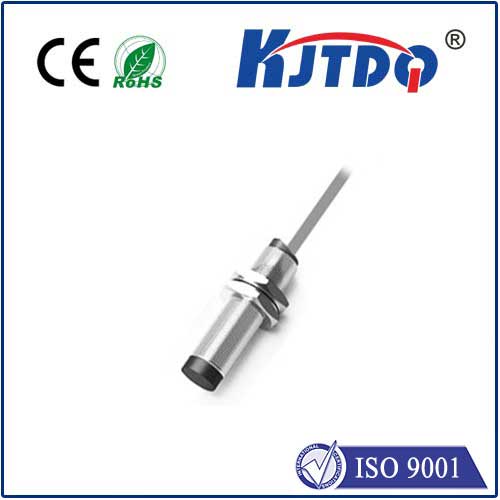
Diverse industrial environments demand specialized switch designs. Common variants include the robust heavy-duty limit switch for harsh conditions featuring metal housings and high ingress protection (IP) ratings, the compact precision limit switch for confined spaces requiring accurate repeatability, and the safety-rated limit switch engineered to meet stringent international standards for emergency stop and guard door monitoring. The choice of actuator—lever, roller, fork, or wobble stick—is equally crucial, tailored to the specific motion and force of the application.
The applications of control limit switches span virtually every sector of manufacturing and processing. In automotive assembly lines, they ensure robotic arms retract to safe positions. In material handling, they confirm the open or closed status of conveyor gates and the precise stopping point of cranes. In packaging machinery, they control the cyclic movement of fillers and sealers. Their role in safety is paramount, often serving as the primary device in interlock systems that prevent access to dangerous areas while equipment is energized.
Selecting the right control limit switch involves a meticulous assessment of several factors. The electrical load (current and voltage), required switching frequency, mechanical life expectancy, and environmental exposure to elements like dust, moisture, chemicals, and temperature extremes must all be considered. Furthermore, the switch's repeat accuracy—the consistency with which it operates at the same point—is vital for processes demanding high precision.
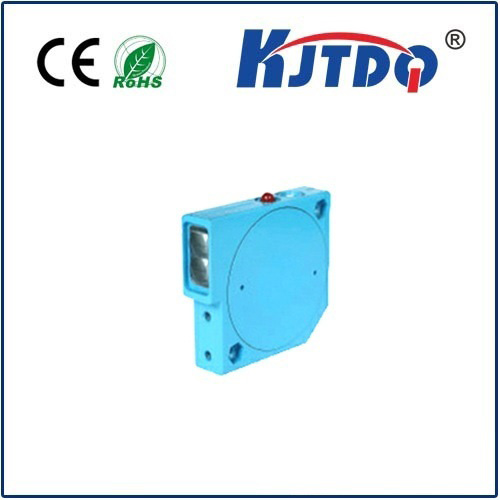
Installation and maintenance are straightforward but critical. Proper alignment of the actuator with the target ensures consistent operation and prevents premature wear. Regular inspection for physical damage, buildup of contaminants, and testing of electrical continuity can preempt failures. Modern switches often feature LED indicators for visual status confirmation, aiding in quick troubleshooting.
In conclusion, the control limit switch remains an irreplaceable workhorse in automation. Its electromechanical simplicity offers a level of directness and reliability that purely solid-state sensors sometimes cannot match in certain applications. By providing a tangible, physical interface between moving machinery and electronic control systems, it enforces the essential rules of operation—where motion must start, where it must stop, and what must happen in between. For any system where position dictates function, the control limit switch is the definitive authority, ensuring that every cycle concludes exactly as intended, safeguarding both productivity and personnel.