Проверка
Проверка
Проверка
Проверка
Проверка
Проверка
In the intricate world of industrial automation and machinery control, a small yet mighty component plays a pivotal role in ensuring safety, precision, and reliability. This component, often overlooked, is the limit switch. From manufacturing assembly lines to sophisticated robotic arms, limit switches act as the silent sentinels, defining the boundaries of motion and preventing potential damage or hazardous situations.
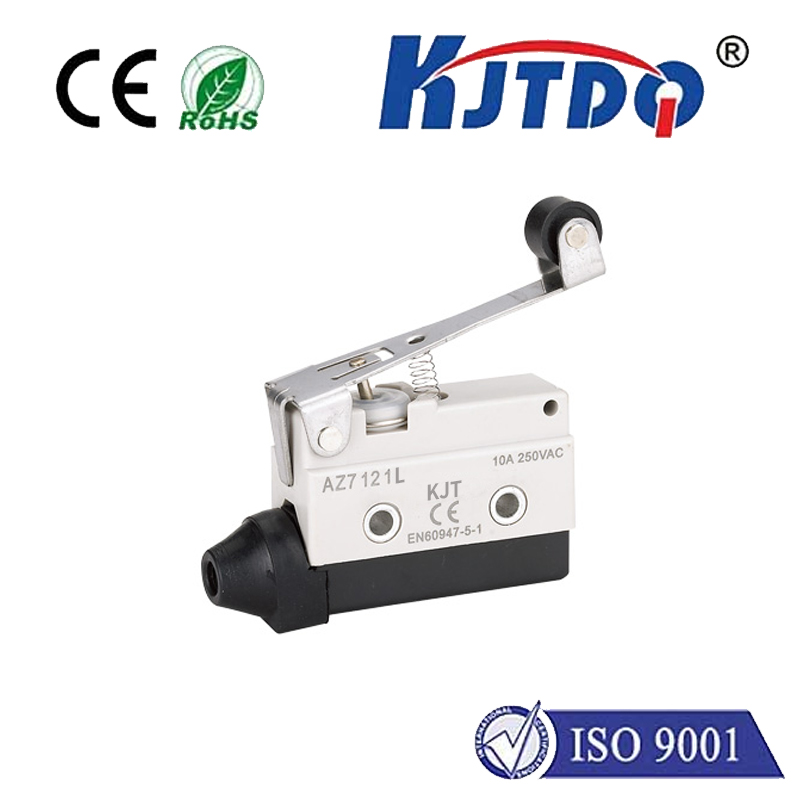
A limit switch is essentially an electromechanical device designed to detect the presence or absence of an object, or to monitor the limits of travel of a machine part. It operates on a simple but effective principle: a physical actuator, such as a lever, roller, or plunger, is triggered by the movement of a target object. This actuation changes the state of the electrical contacts within the switch, sending a clear signal to the control system—typically a Programmable Logic Controller (PLC)—to initiate or halt a specific action. For instance, when a garage door reaches its fully open position, it presses against a limit switch, which cuts power to the motor, preventing the door from over-traveling and causing damage.
The applications of limit switches are vast and varied. In material handling systems, they are used to confirm the position of conveyor belts or to stop a crane's hoist at the correct height. In the packaging industry, they ensure that products are correctly aligned before sealing. Even in everyday appliances like washing machines, limit switches detect the position of the door to ensure it is securely closed before the cycle begins. Their robustness and straightforward design make them ideal for harsh environments where dust, moisture, or temperature extremes might compromise more sensitive sensors like proximity sensors.
When selecting a limit switch for an application, several key specifications must be considered. The actuator type is crucial; a roller lever might be best for detecting the edge of a moving part, while a plunger type is suitable for direct, linear pressure. The electrical rating, including voltage and current capacity, must match the control circuit's requirements. Environmental protection, denoted by IP (Ingress Protection) ratings, is vital for switches exposed to liquids or contaminants. Furthermore, mechanical life—the number of actuations the switch can endure—is a critical factor for high-cycle operations.
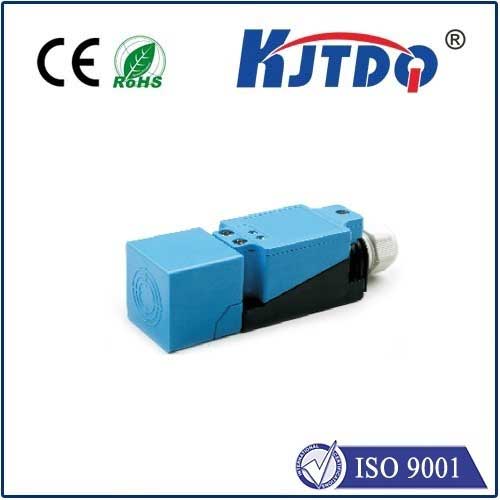
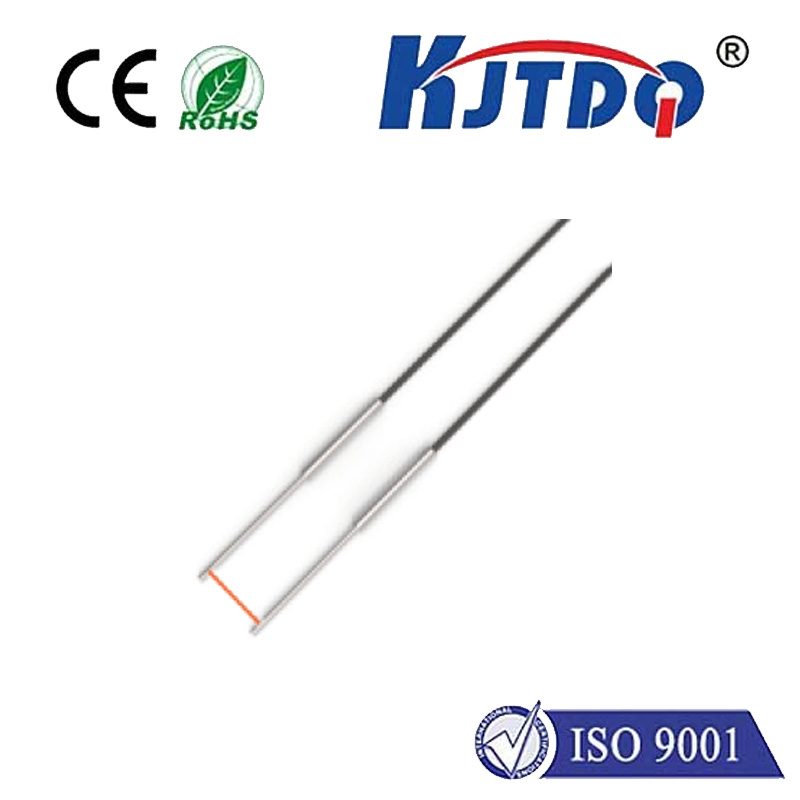
While modern sensing technologies like photoelectric or inductive proximity sensors offer contactless operation, the limit switch remains irreplaceable in many scenarios. Its primary advantages include physical feedback, high accuracy in position detection, and the ability to handle high-current loads directly without additional interfaces. The tactile confirmation provided by a limit switch is sometimes the most reliable indicator, especially in safety-critical applications where a positive mechanical operation is non-negotiable.
Proper installation and maintenance are key to maximizing the lifespan and reliability of a limit switch. It must be mounted securely to avoid vibration-induced false triggers. The actuator should be aligned correctly with the target to ensure consistent operation. Regular inspection for wear on the actuator mechanism and periodic checking of the electrical contacts for signs of arcing or corrosion can prevent unexpected downtime. In many facilities, limit switches are integral parts of preventive maintenance schedules.
Looking ahead, the fundamental role of the limit switch in automation is secure. Even as systems become more intelligent and networked, the need for simple, robust, and fail-safe physical interlocks persists. Innovations continue, with designs featuring enhanced sealing, longer mechanical life, and modular components for easier replacement. They form a fundamental link in the chain of operational safety and control logic.
From safeguarding expensive equipment to ensuring the smooth rhythm of production, the humble limit switch is a cornerstone of controlled mechanical movement. Its design philosophy—simplicity, durability, and direct feedback—ensures it will continue to be a trusted component in engineers' toolkits for years to come. Understanding its function and proper application is essential for anyone involved in designing, maintaining, or operating automated systems.