In the world of CNC machining, precision and safety are paramount. One critical component that safeguards both the machine and the operator is the limit switch. When using GRBL, the popular open-source firmware for controlling CNC machines, understanding and correctly interpreting the "limit switch status" is not just a technical detail—it's a fundamental aspect of reliable operation. This guide delves into the purpose, function, and troubleshooting of limit switches within the GRBL ecosystem, providing practical insights for hobbyists and professionals alike.
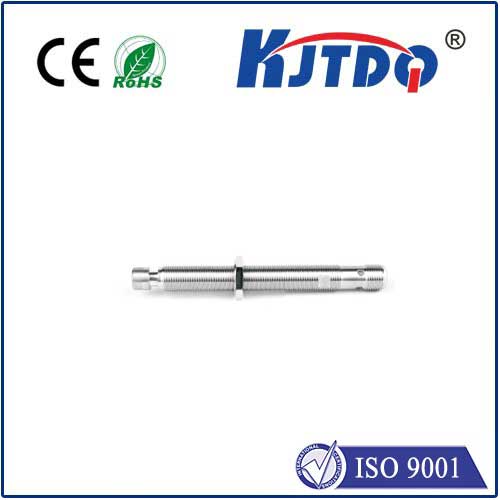
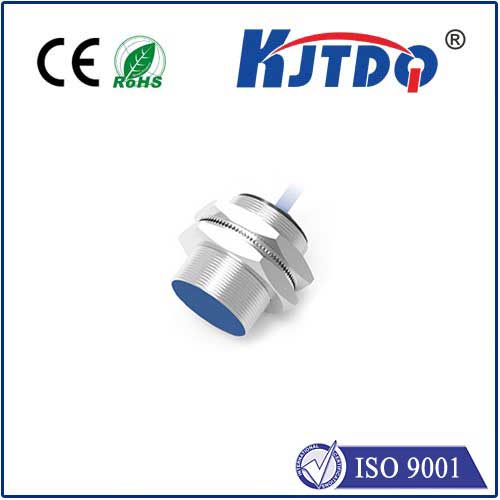
Limit switches are physical sensors placed at the boundaries of each axis of a CNC machine (X, Y, and Z). Their primary role is to prevent the machine from moving beyond its physical travel limits, which could cause catastrophic damage to the drive systems, the spindle, or the workpiece. In GRBL, these switches are typically configured as normally-open switches that close (trigger) when the machine hits a limit. Upon triggering, GRBL immediately halts all motion and enters an "ALARM" state, specifically a "Hard Limit" alarm. This is a fail-safe mechanism designed to stop the machine before any harm occurs.
The status of these limit switches is constantly monitored by GRBL. When you query GRBL's status using commands like$G or via controller software like Universal G-code Sender (UGS) or Candle, you might see references to pin states. A triggered limit switch will change the state of its assigned input pin on the Arduino board that runs GRBL. It's crucial to understand that in a properly functioning system with no limits triggered, the limit switch status should read as "normal" or "not triggered." Any deviation from this indicates an active limit condition that needs resolution.
A common point of confusion arises from false triggers. If your machine suddenly alarms out with a limit error without physically hitting a limit, the issue often lies in electrical noise or wiring problems. Long, unshielded wires running near motor cables can act as antennas, picking up electromagnetic interference (EMI) that GRBL misinterprets as a switch closure. Symptoms include sporadic alarms, especially during rapid direction changes or spindle startup. The solution typically involves improving grounding, using shielded cables for limit switch wiring, and implementing noise suppression techniques like adding ferrite cores or pull-up resistors as per GRBL's recommendations.
Correctly configuring limit switches in GRBL is a two-step process: hardware and software. On the hardware side, you must connect your switches to the designated limit pin headers on your control board, ensuring a common ground. On the software side, you use GRBL's$ settings to enable and fine-tune the behavior. Key settings include$20=1 to enable soft limits (a software-based travel boundary that works in tandem with hard limits),$21=1 to enable hard limits, and$22=1 to enable homing, which uses the limit switches as reference points. The homing cycle commands the machine to move each axis slowly towards its limit switch until it triggers, thereby establishing a precise zero position for subsequent operations.
Troubleshooting an active limit switch status alarm requires a methodical approach. First, physically inspect the machine to ensure no switch is being pressed. Next, check all wiring connections for loose terminals or shorts. You can use a multimeter to test the continuity of the switch circuit; it should be open when not pressed and closed when pressed. Within your control software, you can often view a real-time "pin state" display to see which specific limit input is active. If the alarm persists with wiring confirmed correct, you may need to disable limits temporarily ($21=0) to move the machine off the switch, but this should be done with extreme caution and only for recovery purposes.
Beyond basic functionality, a robust limit switch system enhances overall machine performance. It allows for the use of homing routines, which are essential for repeatable accuracy across multiple job setups. Knowing the machine always starts from a known, calibrated position eliminates manual zeroing errors. Furthermore, integrating limit switches correctly is a prerequisite for advanced features like auto-squaring of gantry systems, where two switches on one axis are used to ensure perfect perpendicular alignment.
In summary, the GRBL limit switch status is a direct communication line about the machine's boundary safety system. Ignoring its signals can lead to expensive repairs and downtime, while mastering its interpretation leads to a safer, more accurate, and more automated CNC workflow. Regular maintenance of the switches—cleaning off dust and debris and checking for mechanical wear—ensures this critical safety net remains functional. By giving the limit switch system the attention it deserves, you invest in the longevity of your machine and the quality of every project it produces.