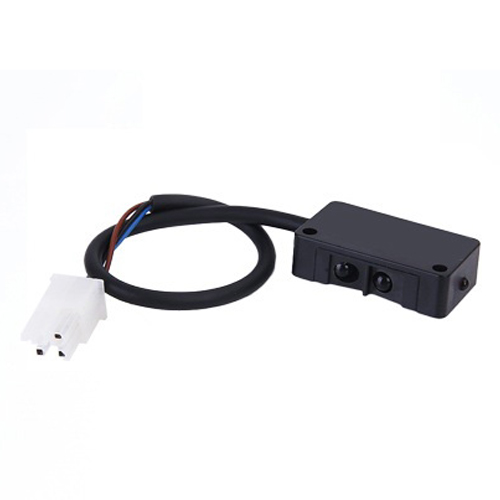
In the realm of industrial automation and machinery control, safety mechanisms are paramount. Among these critical components, the down limit switch plays an indispensable role. This device, often a humble yet robust piece of engineering, acts as a sentinel, preventing equipment from traveling beyond its designated lower boundary. Its primary function is to halt motion or initiate a safety protocol when a moving part, such as a crane hook, elevator car, or hydraulic press, reaches a predetermined lower limit. The consequence of its failure can be severe, ranging from equipment damage and production downtime to catastrophic safety incidents.
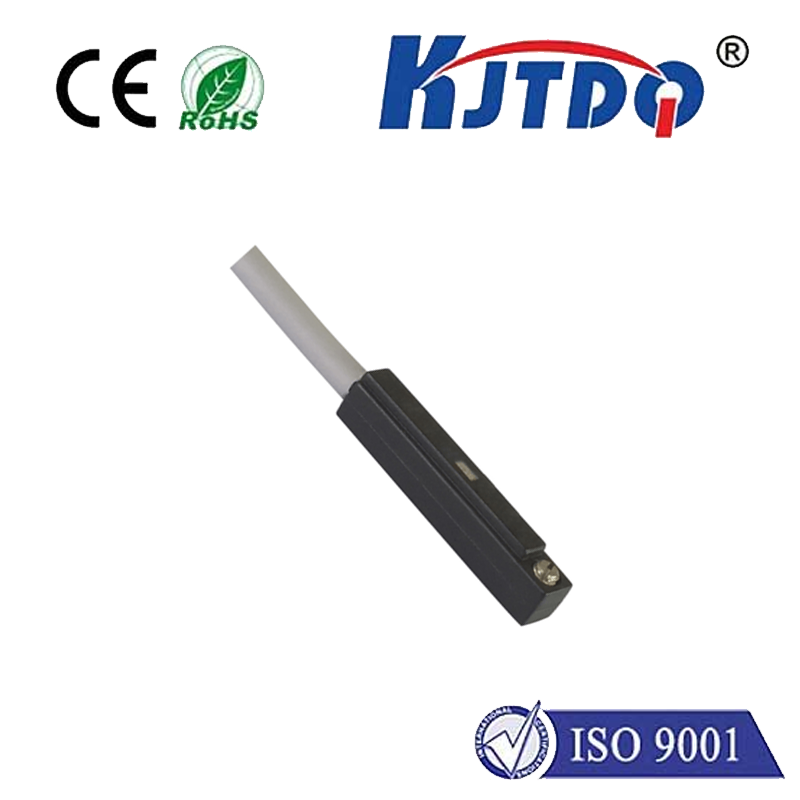
The operational principle of a down limit switch is elegantly straightforward. Typically, it consists of an actuator—a lever, roller, or plunger—mechanically linked to an internal set of electrical contacts. As the moving machinery approaches its lowest safe point, it physically engages this actuator. This engagement triggers the switch to change the state of its electrical contacts, either opening or closing a circuit. This electrical signal is instantly relayed to the machine's control system, commanding it to stop the downward movement or execute a predefined safety routine. This direct mechanical-to-electrical action ensures a rapid and reliable response, a non-negotiable feature in high-stakes industrial environments.
Modern down limit switches are engineered for resilience. They are built to withstand harsh conditions commonly found in factories, construction sites, and warehouses. This includes resistance to dust, moisture, oil, extreme temperatures, and significant mechanical impact. Enclosures are often rated to IP67 standards or higher, guaranteeing protection against ingress. Furthermore, the internal switching mechanisms are designed for millions of reliable cycles, ensuring longevity and reducing maintenance needs. Materials like stainless steel for housings and high-grade engineering plastics for actuators are standard, providing durability against corrosion and wear.
The applications for down limit switches are vast and varied. In material handling, they are crucial for overhead cranes and hoists, preventing the hook block from crashing into the drum or the ground. Elevators and lifts rely on them to ensure the car stops precisely at floor level and does not descend into the pit. In manufacturing, they control the stroke of presses, robotic arms, and automated guided vehicles (AGVs). Even in renewable energy, such as wind turbines, they monitor blade pitch or hydraulic system limits. In each case, the switch provides a fundamental layer of safety and operational control that more complex programmable systems use as a primary or backup safety input.
Selecting the right down limit switch requires careful consideration of several technical parameters. The operating force and travel distance of the actuator must match the mechanical interaction with the machine. The electrical rating—voltage and current capacity—must be compatible with the control circuit. Environmental factors dictate the required ingress protection (IP) rating. Additionally, the type of output contact (normally open or normally closed) must align with the safety logic of the control system. For critical applications, redundant switches or those with positive-break contacts, which force open the circuit upon actuation for enhanced safety, are often specified.
Integration with broader control systems is seamless. The signal from a down limit switch is typically fed into a Programmable Logic Controller (PLC), a relay safety circuit, or a dedicated safety controller. This allows for sophisticated interlocking, where the down limit signal can prevent other machine functions from starting until the switch is in a safe state. Regular testing and maintenance are essential. Operators should periodically verify the switch's mechanical operation and electrical response as part of a preventative maintenance schedule to ensure it remains in optimal working condition, thus upholding the integrity of the entire safety system.
In conclusion, the down limit switch is a foundational element of industrial safety and precision. Its simple, reliable operation belies its critical importance in protecting personnel, preventing equipment damage, and ensuring smooth, uninterrupted production cycles. As machinery becomes more automated and complex, the role of such fundamental safety devices remains irreplaceable. Specifying high-quality, appropriately rated down limit switches and maintaining them diligently is not just a technical requirement but a core responsibility for operational safety and efficiency in any industry reliant on controlled mechanical movement.