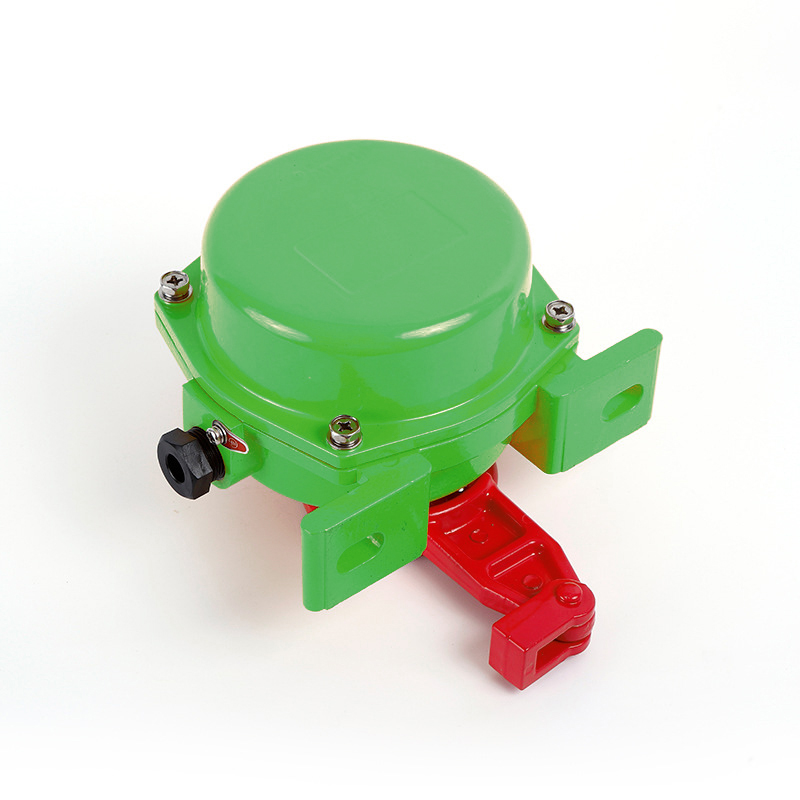
In the realm of industrial automation, limit switches serve as fundamental components that ensure precision, safety, and reliability in machinery operations. These devices are pivotal in controlling the movement of equipment by detecting the presence or absence of an object, thereby triggering actions like stopping, starting, or reversing motors. Understanding the core limit switch components is crucial for engineers, technicians, and industry professionals aiming to optimize system performance and minimize downtime.
At the heart of every limit switch lies the actuator, the component that physically interacts with the target object. Actuators come in various forms, including lever arms, plungers, and roller types, each designed for specific applications. For instance, lever arm actuators are ideal for detecting objects at a distance, while plunger actuators offer direct contact sensing in confined spaces. The choice of actuator depends on factors such as the operating environment, force requirements, and desired response time. Material selection for actuators, often stainless steel or durable plastics, ensures longevity and resistance to wear in harsh industrial settings.
Another critical element is the electrical contact block, which houses the switching mechanism. This block contains contacts that open or close circuits based on the actuator's position. Typically, limit switches feature either single-pole or double-pole configurations, with options for normally open (NO) or normally closed (NC) contacts. The contact block must be engineered to handle specific voltage and current ratings, preventing electrical failures. High-quality contacts, made from materials like silver alloy, enhance conductivity and reduce arcing, which is essential for maintaining consistent performance in repetitive operations.
The enclosure or housing protects the internal components from external hazards such as dust, moisture, chemicals, and mechanical impacts. Enclosures are rated using standards like IP (Ingress Protection) or NEMA (National Electrical Manufacturers Association) classifications, indicating their suitability for different environments. For example, an IP67-rated limit switch can withstand temporary immersion in water, making it ideal for washdown areas in food processing plants. Robust housings, often constructed from die-cast metal or reinforced thermoplastics, ensure that the switch remains operational under extreme conditions, thereby extending its service life.
Wiring terminals are integral for connecting the limit switch to control systems. These terminals facilitate secure electrical connections, with options for screw-type, spring-clamp, or quick-disconnect designs. Proper wiring is vital to avoid loose connections that could lead to signal loss or safety hazards. Additionally, some limit switches include LED indicators to provide visual feedback on the switch's status, aiding in troubleshooting and maintenance. The terminal design should allow for easy access during installation or repairs, reducing downtime in industrial processes.
The operating head, which connects the actuator to the contact block, plays a key role in translating mechanical motion into electrical signals. This component must be precisely aligned to ensure accurate detection and response. Many modern limit switches offer modular designs, allowing users to interchange actuators or contact blocks based on application needs. This flexibility enables customization for diverse industrial scenarios, from conveyor systems to robotic arms, enhancing overall efficiency.
In practice, selecting the right limit switch components involves evaluating factors like operating speed, temperature range, and load capacity. For high-speed applications, switches with minimal pretravel and overtravel are preferred to avoid delays. In environments with extreme temperatures, components must be rated accordingly to prevent thermal degradation. Regular maintenance, including cleaning actuators and inspecting contacts, helps sustain optimal performance. By prioritizing quality components, industries can achieve smoother operations, reduced energy consumption, and improved safety compliance.
Advancements in technology have led to the integration of smart features in limit switches, such as diagnostic capabilities and connectivity to IoT networks. These innovations allow for real-time monitoring and predictive maintenance, further boosting productivity. However, the foundational principles remain rooted in the reliability of core components. As automation continues to evolve, a deep understanding of limit switch parts will remain essential for driving innovation and ensuring operational excellence in manufacturing and beyond.