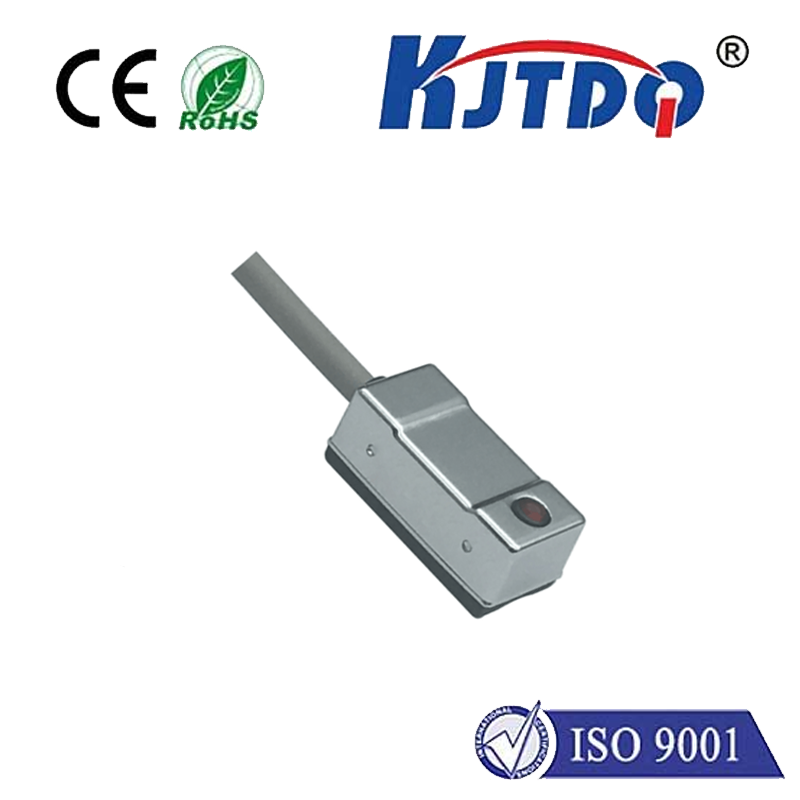
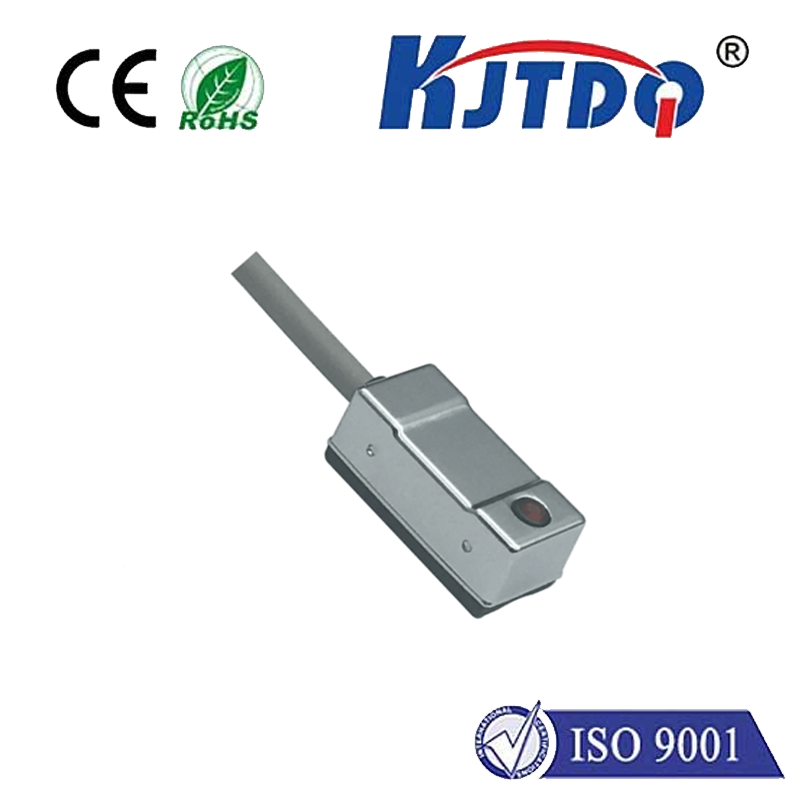
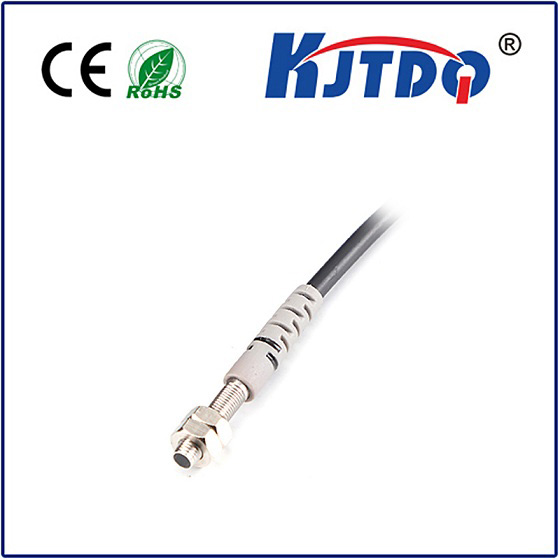
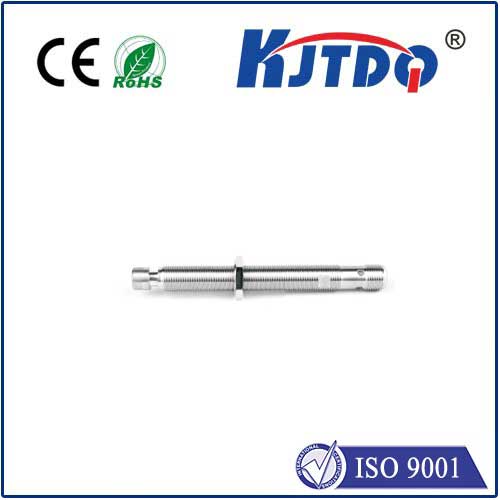
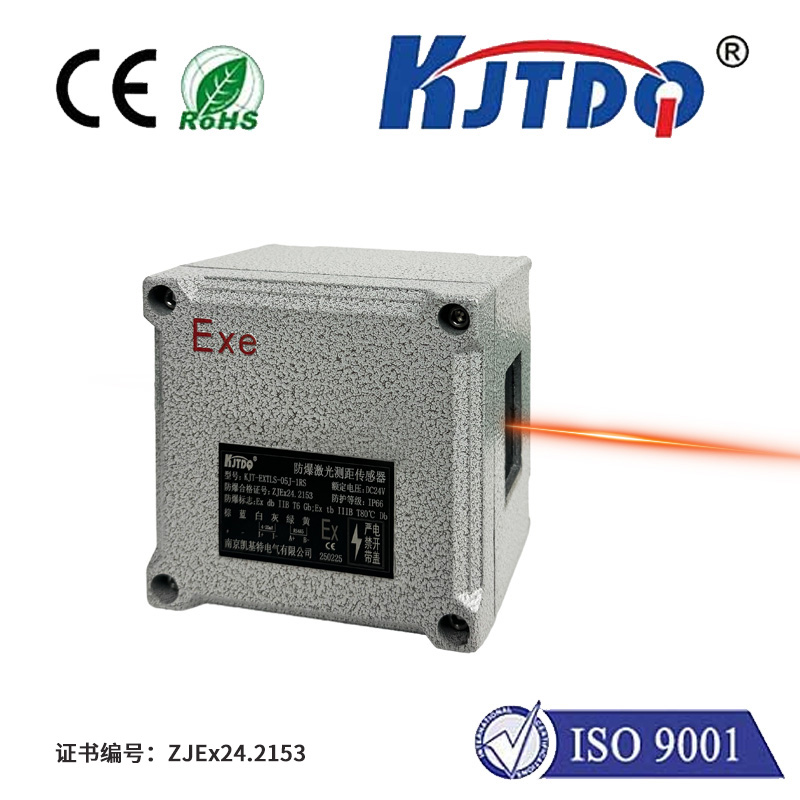
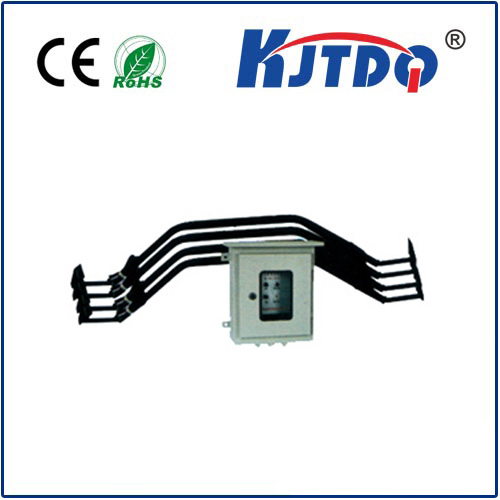
In the realm of industrial automation and machinery, precision control and operational safety are paramount. The worm drive limit switch, a specialized component often identified with designations like KJTDQ, stands as a critical guardian in this environment. Unlike standard limit switches, this device incorporates a worm gear mechanism, offering unique advantages for applications requiring fine adjustment, high torque transmission, and reliable position sensing in harsh conditions.
The fundamental principle of a worm drive limit switch revolves around its actuation method. The core of the device is a worm gear set. When an external force, typically from a moving machine part like a crane trolley, gate, or conveyor, rotates the worm shaft, it drives the worm wheel. This rotational motion is then translated into the linear movement of the switch's actuator. This mechanical linkage allows for precise calibration of the actuation point. Operators can finely adjust the position at which the switch triggers by controlling the rotation of the worm shaft, enabling millimeter-level accuracy in defining machine travel limits. This precision is invaluable in processes where over-travel could lead to product damage, equipment collision, or safety hazards.
Durability and reliability are hallmarks of a well-engineered worm drive limit switch. Designed for demanding industrial settings, these switches are commonly housed in robust, cast iron or aluminum enclosures with high IP (Ingress Protection) ratings. This construction shields the internal electrical contacts and worm gear mechanism from dust, moisture, oil, and other corrosive elements prevalent in factories, steel plants, mining operations, and wastewater treatment facilities. The worm gear mechanism itself provides a self-locking feature in many configurations, preventing back-driving and ensuring the set limit position remains stable even under vibration or incidental force. This inherent mechanical stability translates to consistent performance and reduced need for recalibration.
The applications for worm drive limit switches are diverse and critical. They are extensively used in material handling systems. On overhead cranes and hoists, they serve as end limit switches to prevent the hook or trolley from traveling beyond the safe boundaries of the runway, a fundamental safety function. In bulk handling, such as on stacker-reclaimers or ship loaders, they control the slew, travel, and luffing motions, ensuring repetitive and accurate positioning. Furthermore, they find use in dam gate control, valve positioning in large pipelines, and as safety interlocks on heavy-duty doors or guards. The KJTDQ series, as one example of this product category, often embodies these features, providing a reliable solution for engineers specifying control and safety systems.
Integrating a worm drive limit switch into a control circuit is straightforward. The switch contains one or more sets of electrical contacts—commonly single-pole double-throw (SPDT) configurations. These contacts are wired into the machine's motor control circuit. When the moving machine part reaches the preset limit, it rotates the worm shaft to the point where the switch actuator trips. This action changes the state of the electrical contacts, either breaking or making a circuit. This signal is instantly sent to the motor controller or programmable logic controller (PLC), commanding the motor to stop or reverse direction, thereby halting the machine's movement safely and precisely. This hard-wired safety layer is crucial, often acting independently of or in tandem with software-based limits.
Selecting the right worm drive limit switch involves several considerations. The operating environment dictates the required ingress protection level. The mechanical load, including the force and frequency of actuation, determines the necessary durability of the worm gear and actuator arm. Electrical specifications like voltage, current rating, and contact type must match the control system. The required adjustment precision and the presence of corrosive chemicals or extreme temperatures are also key factors. Products like the KJTDQ series are developed to meet a spectrum of these industrial requirements, offering various lever arm lengths, enclosure materials, and contact block options.
In conclusion, the worm drive limit switch is far more than a simple on/off device. It is a sophisticated electromechanical sentinel that combines mechanical advantage with electrical control. By providing precise, adjustable, and robust limit detection, it plays an indispensable role in safeguarding equipment, protecting personnel, and ensuring the smooth, accurate operation of countless industrial processes. Its design, exemplified by reliable product lines, continues to be a cornerstone of industrial safety and automation, proving that sometimes, the most effective solutions are those built on timeless mechanical principles adapted for modern challenges.