In industrial automation and robotics, the precise control of DC motors is paramount for efficiency, safety, and reliability. A critical component enabling this precision is the humble yet indispensable limit switch. When integrated into a DC motor control system, a limit switch acts as a sentinel, defining the physical boundaries of motion and preventing mechanical overtravel that could lead to equipment damage, product spoilage, or even safety hazards. This synergy between limit switch and DC motor control forms the backbone of countless automated processes.
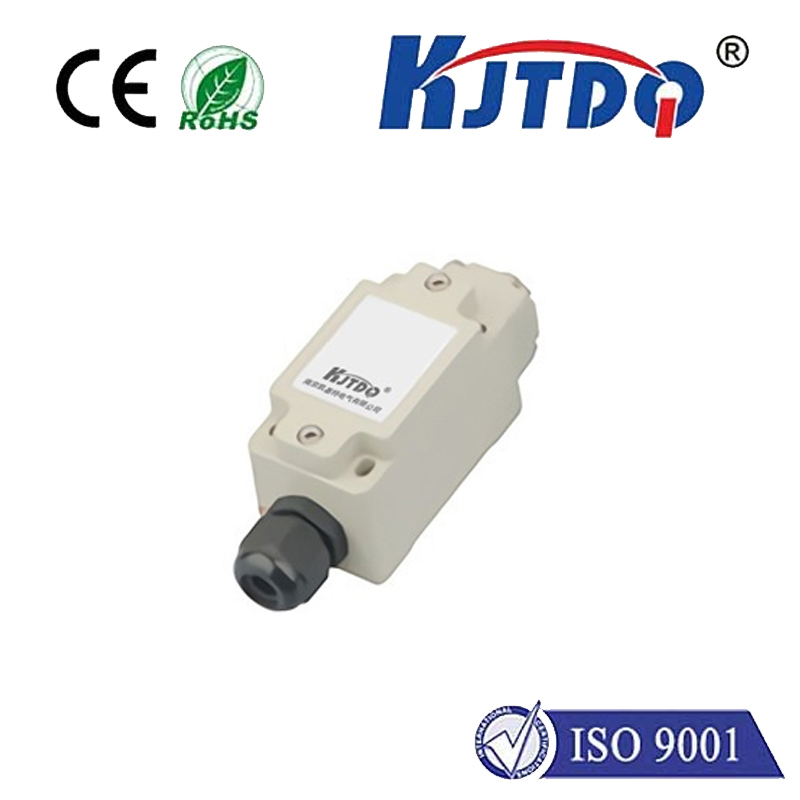
A DC motor's operation is governed by the application of voltage to its terminals, dictating speed and direction. Control circuits, often involving microcontrollers or programmable logic controllers (PLCs), manage this power supply. However, without physical feedback, the system remains "blind" to the motor's actual mechanical position. This is where the limit switch enters the equation. Mechanically actuated when a moving part reaches a predetermined point, the switch sends a clear electrical signal back to the control unit. Upon receiving this signal, the controller can immediately cut power, reverse direction, or initiate the next sequence in a programmed operation.
Consider a common application: an automated garage door. The DC motor drives the door upward. A limit switch is positioned at the fully open position. As the door reaches the top, it triggers the switch. The control circuit interprets this signal and stops the motor, preventing the door from straining against its mechanical stops or the drive mechanism. Another limit switch at the fully closed position performs the same function, ensuring the door seals properly without excessive force. This simple implementation showcases the fundamental role of limit switches in providing endpoint safety.
In more complex industrial settings, such as CNC machines or conveyor systems, multiple limit switches are deployed. They don't just define endpoints; they can establish intermediate positions for tool changes, part ejection, or staging areas. For instance, a robotic arm with a DC motor-driven joint might use limit switches at the extremes of its rotational range. The control system uses these signals as reference points for homing sequences, ensuring the arm always starts its operations from a known, calibrated position. This eliminates cumulative positional errors and enhances repeatability.
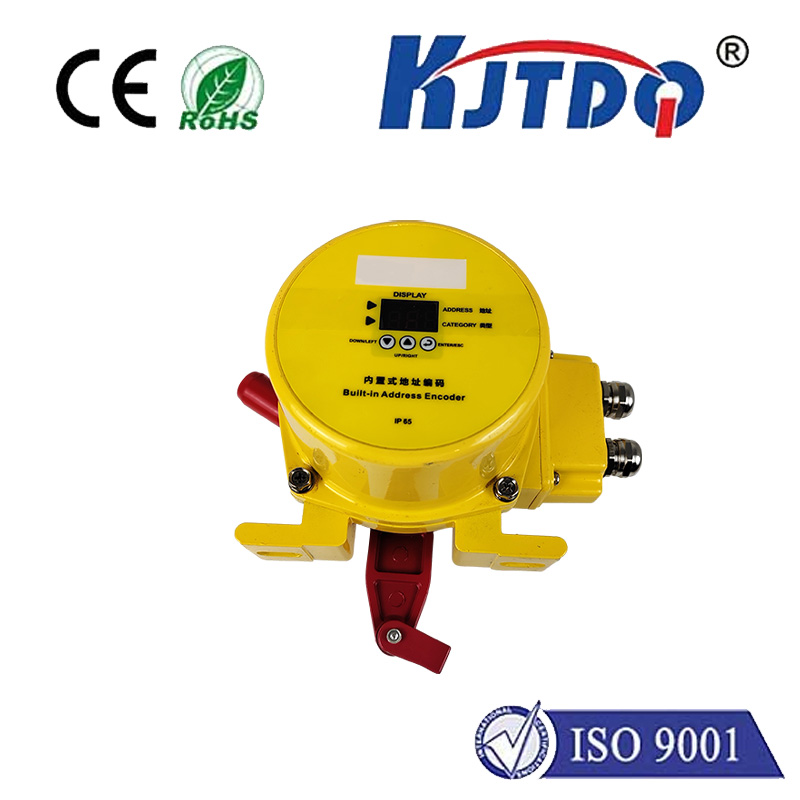
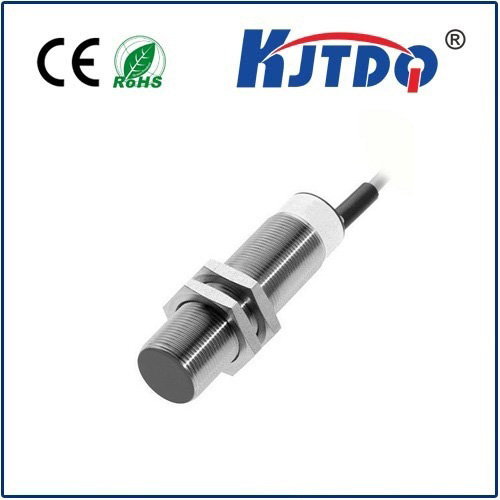
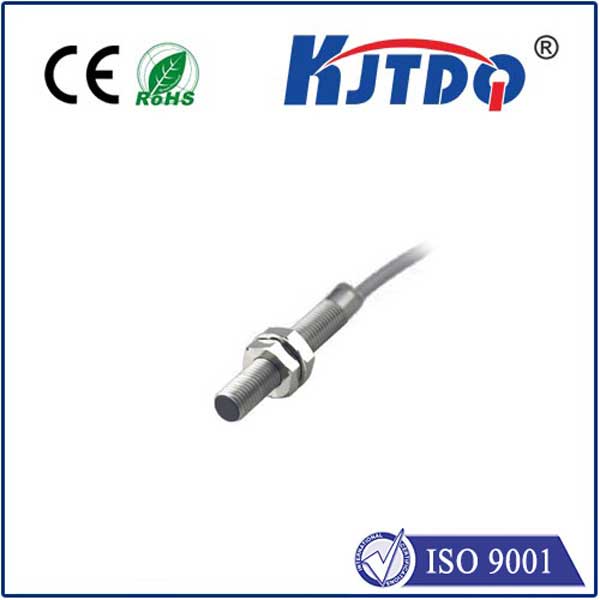
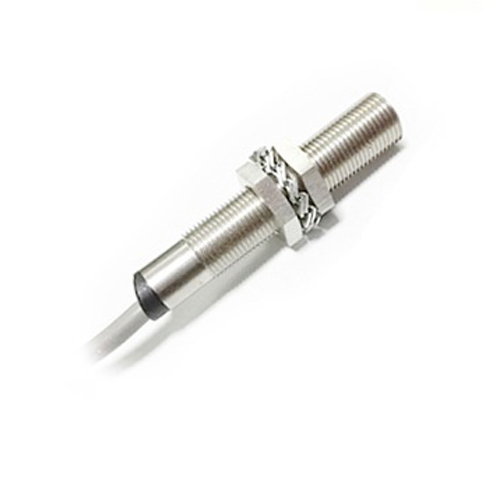
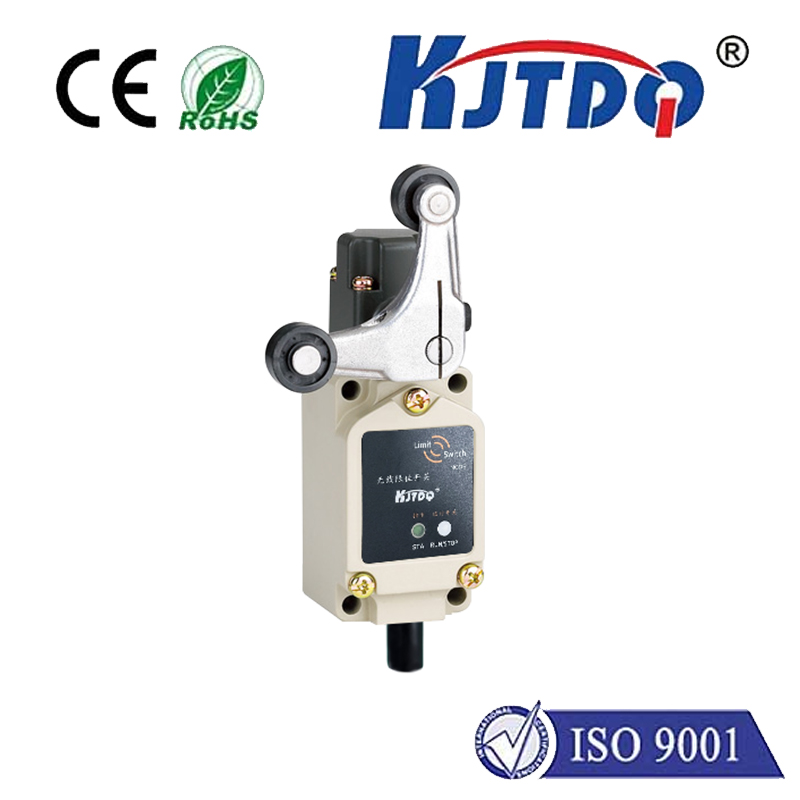
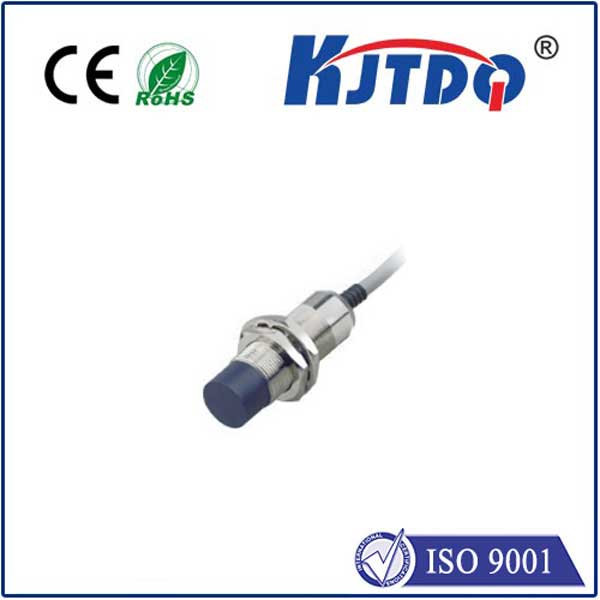
The choice of limit switch is crucial for robust DC motor control. Factors like mechanical life, electrical rating (to handle the motor's inductive load currents), environmental sealing (against dust, oil, or moisture), and actuation type (roller lever, plunger, whisker) must align with the application's demands. For high-precision scenarios, proximity sensors (inductive or capacitive) might serve as non-contact "limit switches," offering faster response and no mechanical wear.
Integrating a limit switch into a DC motor control circuit typically involves connecting it in series with the motor's power supply or, more commonly, to a dedicated input on a controller. The controller's program is then written to monitor this input's state continuously. Good programming practice also includes implementing software debouncing to filter out any mechanical contact chatter from the switch, ensuring a clean, reliable signal. Furthermore, safety-critical applications often employ redundant switches or dual-channel safety circuits to meet stringent safety standards.
Beyond basic on/off control, advanced systems use limit switch feedback for more sophisticated operations. For example, in a packaging machine, a limit switch might detect when a product is in place, signaling the DC motor to start a sealing cycle. The synergy allows for coordinated, event-driven automation. It also provides a straightforward method for fault detection; if a motor fails to trigger an expected limit switch within a specified time window, the system can halt and alert an operator to a jam or mechanical failure.
The benefits of implementing limit switch DC motor control are clear. It dramatically enhances operational safety by preventing collisions and overloads. It protects capital investment in machinery by avoiding mechanical damage from overtravel. It increases system reliability and uptime by providing consistent positional feedback. Finally, it simplifies control logic by offering definitive physical markers within a machine's cycle.
From simple domestic appliances to sprawling factory assembly lines, the combination of a reliable limit switch with a DC motor control system is a testament to elegant engineering. It solves a fundamental challenge in automation—translating electrical control into precise, safe, and repeatable physical motion. As automation continues to evolve, this fundamental pairing remains a critical, reliable, and cost-effective solution for ensuring machines operate within their intended physical limits, safeguarding both equipment and personnel.