Проверка
Проверка
Проверка
Проверка
Проверка
Проверка
In industrial automation and machinery, precision control is paramount. Among the myriad components that ensure operations run smoothly and safely, DC limit switches stand out as critical devices. These switches are designed to detect the presence or absence of an object, or to monitor positional limits, by utilizing direct current (DC) power. Their role in preventing over-travel, enabling sequential operations, and enhancing safety cannot be overstated.
A DC limit switch typically consists of an actuator mechanically linked to a set of contacts. When an object contacts the actuator, the switch operates to either make or break an electrical connection in a DC circuit. This simple yet effective mechanism allows for reliable signaling in various applications, from conveyor systems and robotic arms to elevators and packaging equipment. The use of DC power offers distinct advantages, including reduced electrical noise, compatibility with low-voltage control systems, and often longer contact life due to the absence of arcing common in AC circuits.
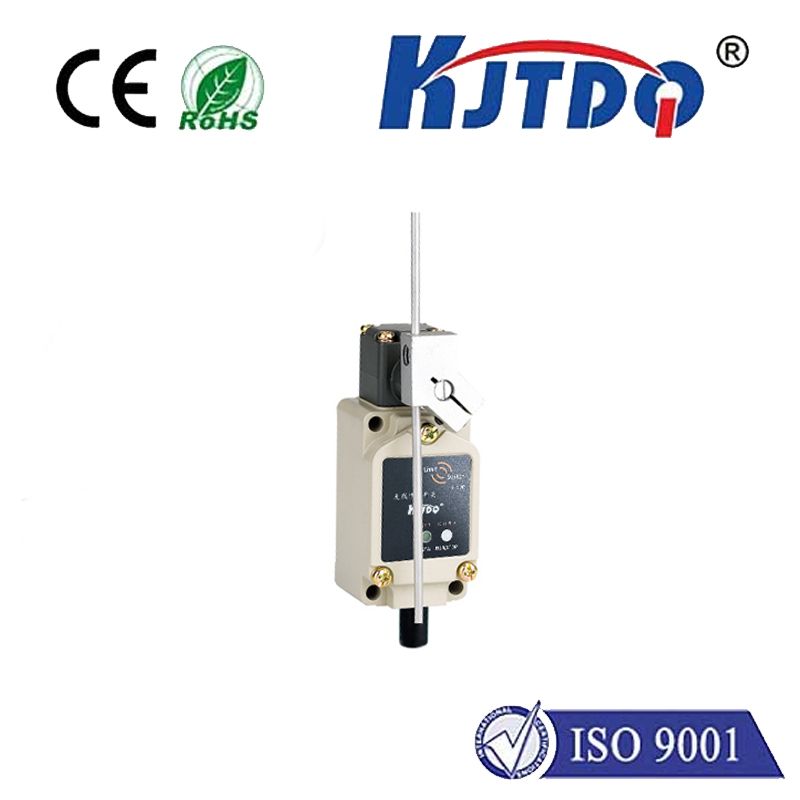
One key aspect of DC limit switches is their versatility. They come in multiple configurations such as roller lever, plunger, or whisker actuators, each suited for specific environmental conditions and operational needs. For instance, sealed models withstand dust, moisture, and harsh industrial environments, ensuring durability. Additionally, these switches can be normally open (NO) or normally closed (NC), providing flexibility in circuit design to meet safety protocols—like initiating an emergency stop when a limit is reached.
The integration of DC limit switches into control systems enhances efficiency. By defining precise start and stop points, they help automate repetitive tasks, reduce manual intervention, and minimize errors. In robotics, for example, limit switches ensure arms retract to a safe position, preventing collisions. In manufacturing lines, they coordinate the movement of parts between stations, optimizing throughput. Their reliability contributes to reduced downtime and maintenance costs, as they offer straightforward diagnostics and are often easy to replace.
When selecting a DC limit switch, factors like voltage rating, current capacity, actuation force, and environmental resistance must be considered. It’s crucial to match the switch specifications with the application demands to avoid failures. Regular inspection for wear, alignment, and contamination also prolongs service life. As industries evolve toward smarter automation, these switches remain foundational, often interfacing with programmable logic controllers (PLCs) to create responsive, interconnected systems.
In summary, DC limit switches are indispensable for achieving controlled, safe, and efficient mechanical operations. Their design simplicity, coupled with robust performance, makes them a staple in engineering. By understanding their function and proper implementation, businesses can enhance operational precision and safeguard both equipment and personnel.