Проверка
Проверка
Проверка
Проверка
Проверка
Проверка
In the intricate world of industrial automation and electrical control, the consistent and precise operation of every component is non-negotiable. Among these critical components, the micro switch, particularly those rated for 220V AC operation, stands as a fundamental yet powerful element. Often referred to as a snap-action switch, its role in ensuring safety, reliability, and accuracy in countless applications cannot be overstated. This article delves into the core functionality, key advantages, and diverse applications of the 220V micro switch, highlighting why it remains an indispensable choice for engineers and system designers globally.
At its essence, a 220V micro switch is a compact electromechanical device designed to open or close an electrical circuit with a very small physical movement of its actuator. The "micro" refers not to its size alone, but to the minute travel distance required to trigger a rapid switching action. This snap-action mechanism, driven by a spring-loaded lever, ensures a quick and clean make-or-break contact transition. This is crucial for 220V AC circuits, as it minimizes arcing and contact wear, thereby significantly extending the operational lifespan of the switch. The 220V AC rating indicates its suitability for standard industrial and commercial power supplies across many regions, making it a versatile building block for control panels, machinery, and safety interlocks.
The advantages of employing a 220V micro switch are numerous and directly impact system performance and longevity. First and foremost is its exceptional durability. Engineered for millions of cycles, these switches are built to withstand rigorous industrial environments. Their sealed variants offer robust protection against dust, moisture, and oil ingress, ensuring reliable operation even in challenging conditions. Secondly, their high repeat accuracy is paramount. The consistent actuation point means that every time a machine part, door, or safety guard moves to a specific position, the switch responds with unwavering precision, triggering the desired control sequence without fail. This reliability is the cornerstone of automated processes.
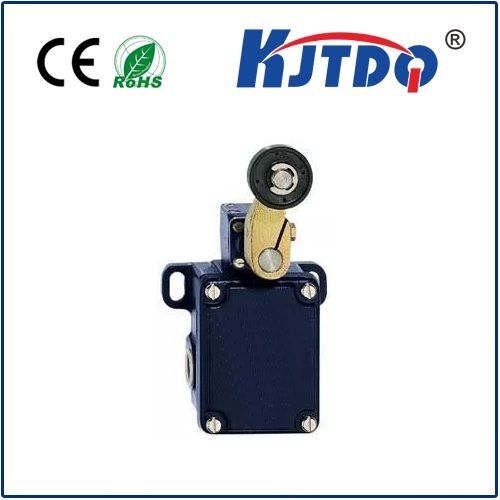
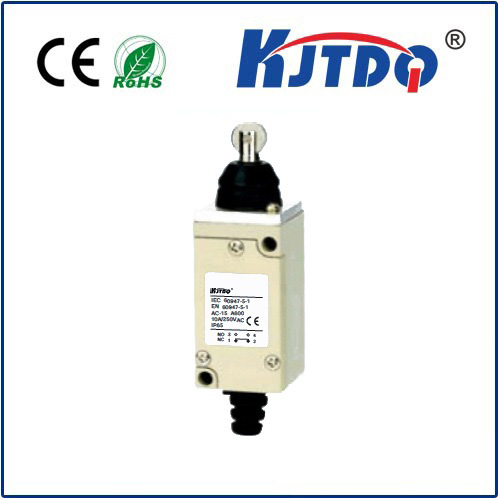
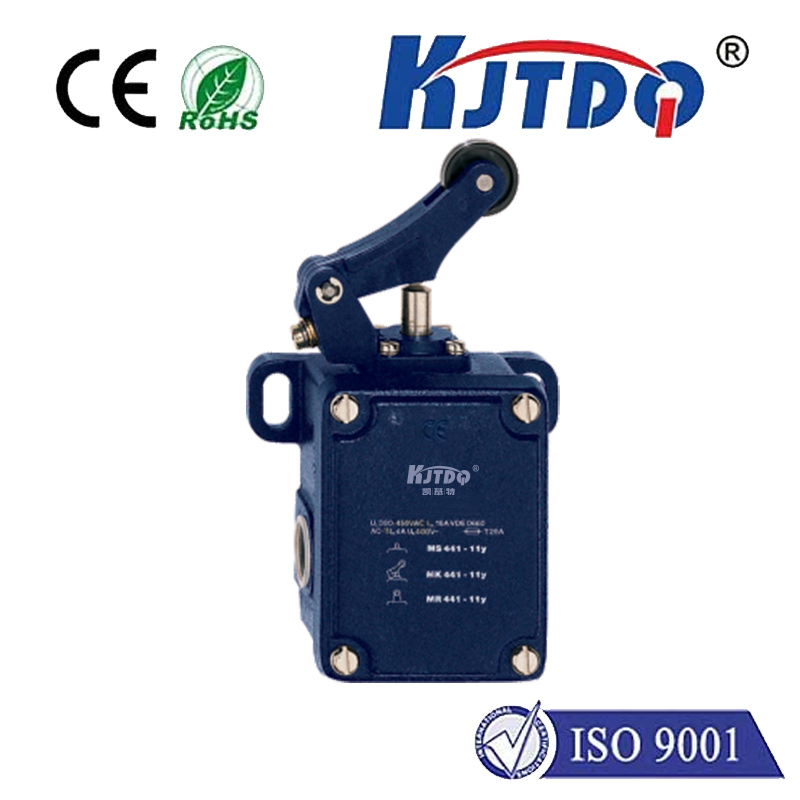
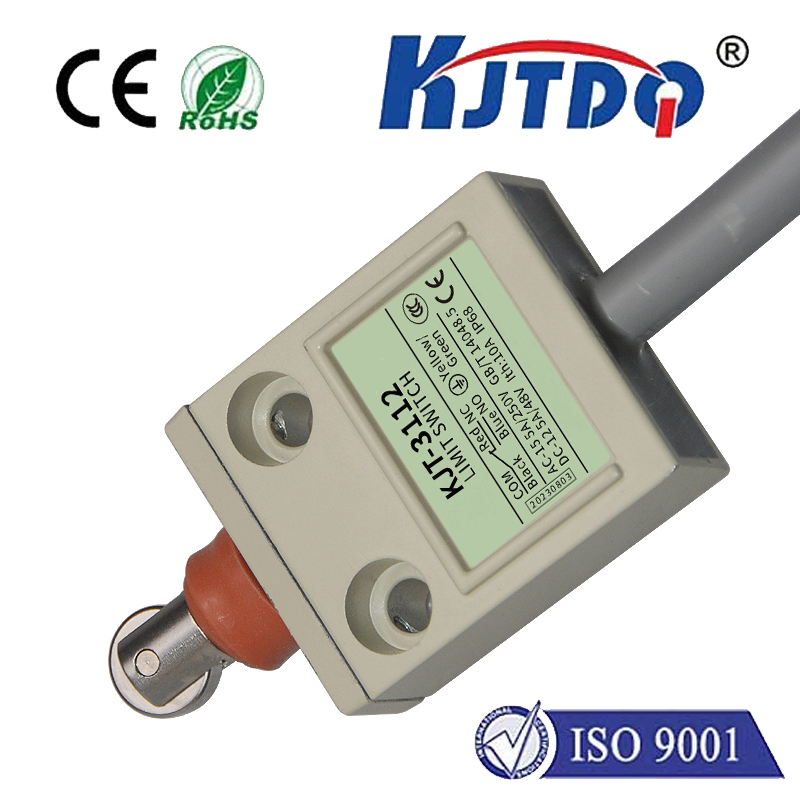
Furthermore, the variety of actuator types—including roller levers, pin plungers, and simulated roller levers—allows for seamless integration into diverse mechanical setups. A 220V micro switch can be actuated by the movement of a cam, the position of a door, the presence of an object, or the limit of travel for a moving part. This adaptability makes it a universal solution for position sensing and limit control. The audible and tactile "click" upon actuation also provides immediate physical feedback, which is valuable for manual operations and troubleshooting.
The applications for 220V micro switches span a vast array of industries. In industrial automation, they serve as precise limit switches on conveyor systems, CNC machines, and robotic arms, halting movement at exact points to prevent over-travel and damage. Within the realm of safety, they are integral to emergency stop circuits, door interlocks on machinery guards, and elevator control systems, where a fail-safe operation is critical. In appliance manufacturing, these switches are found in washing machines, microwave ovens, and vending machines to detect door closure or component position. Even in agricultural and construction equipment, they monitor fluid levels, implement positions, and access panels.
Selecting the right 220V micro switch requires careful consideration of several parameters beyond just the voltage rating. The electrical current rating (both AC and DC), the type of load (inductive or resistive), the required actuator style, the IP (Ingress Protection) rating for environmental sealing, and the mechanical life expectancy are all critical factors. Consulting technical datasheets and, when necessary, engaging with component suppliers ensures the chosen switch matches the specific electrical and mechanical demands of the application, guaranteeing optimal performance and safety.
In conclusion, the 220V micro switch is far more than a simple on-off component. It is a meticulously engineered device that provides a reliable interface between mechanical motion and electrical control. Its durability, precision, and versatility make it a silent, dependable workhorse in systems where performance and safety are paramount. From controlling complex assembly lines to ensuring the safe operation of household appliances, the 220V micro switch continues to be a vital component, proving that the most reliable solutions are often those engineered with simplicity and robustness in mind.