In industrial automation and machinery control, precision and reliability are non-negotiable. At the heart of ensuring these qualities often lies a seemingly simple yet critical component: the limit switch indicator. This device serves as the eyes and ears of a control system, providing definitive feedback on the position or presence of a machine part. Understanding its function, types, and selection criteria is paramount for engineers, maintenance technicians, and operations managers aiming to optimize performance and prevent costly downtime.
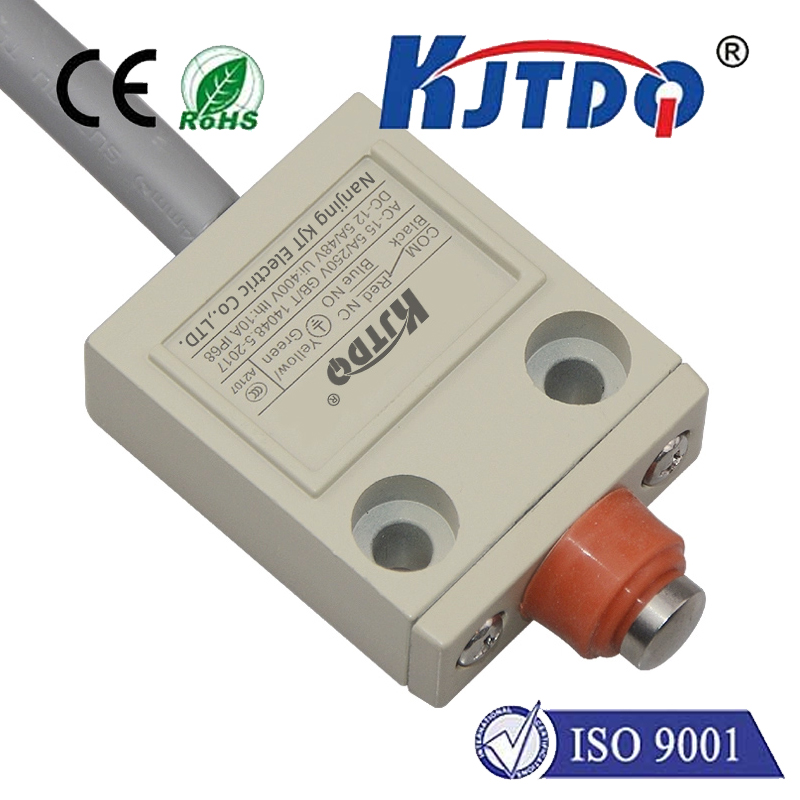
A limit switch indicator is fundamentally a sensor. It is mechanically actuated by the motion or position of a target object, such as a robotic arm, conveyor gate, or elevator car. Upon reaching a predetermined point, the switch changes state—typically opening or closing an electrical circuit. The "indicator" aspect refers to the clear, immediate signal this action generates, which is then relayed to the machine's programmable logic controller (PLC) or other control unit. This signal confirms a completed action, like "door fully closed" or "cylinder fully extended," allowing the next sequence in the automated process to proceed safely.
The applications are vast and varied. In manufacturing assembly lines, limit switches ensure components are correctly positioned before welding or painting. In material handling, they prevent over-travel of cranes and hoists, safeguarding both equipment and personnel. Within packaging machinery, they verify the presence of a product before sealing. The reliability of this feedback loop is what makes automated systems both efficient and safe. Without a functioning limit switch indicator, a machine might continue a movement blindly, leading to jams, collisions, or incomplete operations.
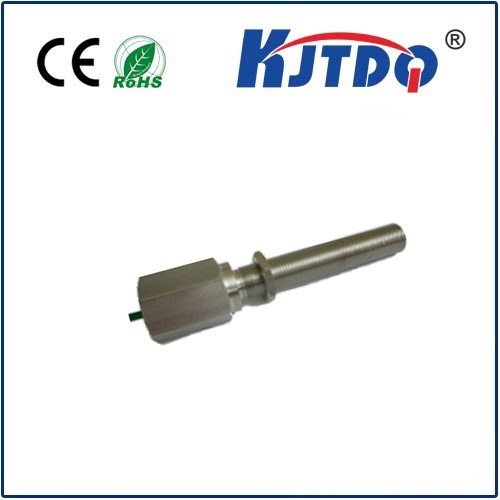
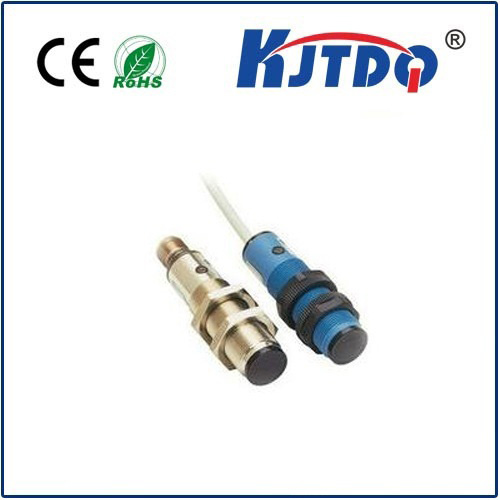
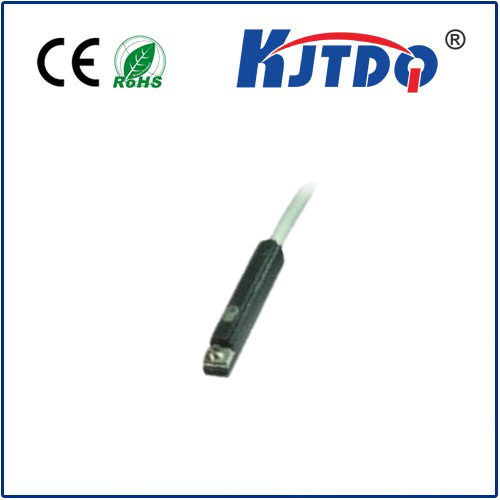
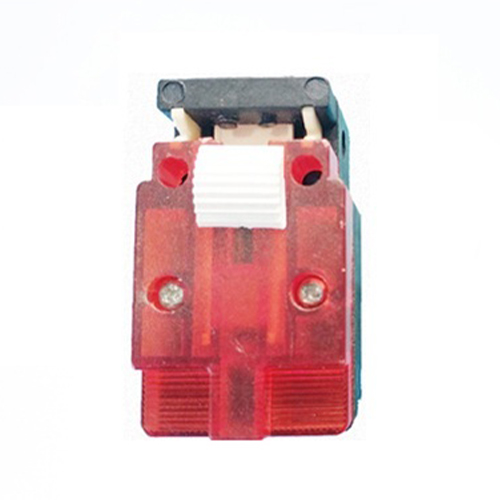
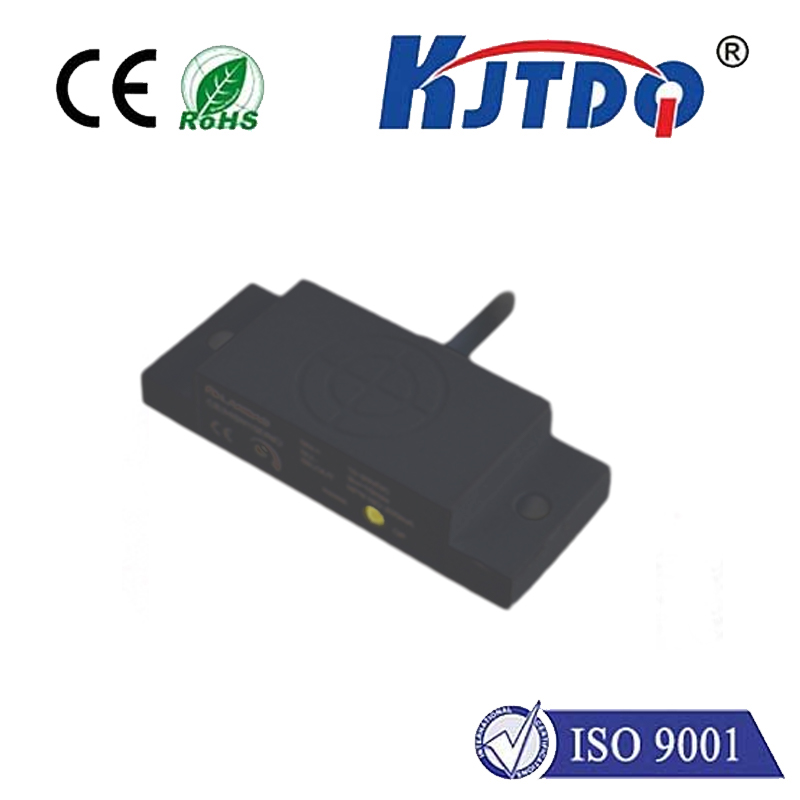
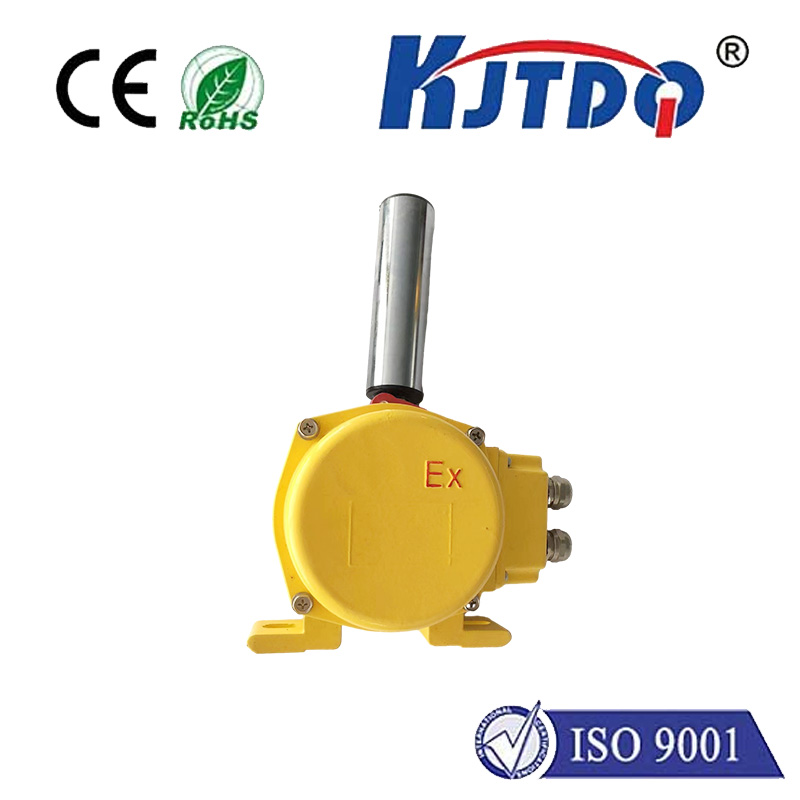
Several key types of limit switches exist, each suited to different environmental and operational demands. The most common is the rugged, industrial-grade plunger or lever-arm switch, housed in a metal or robust polymer body to withstand harsh conditions like dust, moisture, and vibration. For applications requiring non-contact sensing, proximity switches (inductive or capacitive) are used, but the traditional mechanical limit switch remains favored for its simplicity, direct feedback, and high repeatability. Modern variants often include integrated LED indicators, providing a visual, at-a-glance status check right at the installation point—a invaluable feature for quick troubleshooting.
Selecting the right limit switch indicator involves careful consideration of several factors. The electrical rating (voltage and current) must match the control circuit. The mechanical life expectancy, often rated in millions of cycles, should align with the application's duty cycle. Environmental protection, denoted by IP (Ingress Protection) or NEMA ratings, is crucial for switches exposed to washdowns, oils, or outdoor elements. Actuator type—whether roller lever, wobble stick, or cat whisker—must be chosen based on the angle and force of the target's contact. Finally, the output configuration (normally open, normally closed, or both) must integrate seamlessly with the existing control logic.
Installation and maintenance are straightforward but demand attention to detail. Proper alignment with the moving target is essential to ensure consistent actuation without excessive force that could prematurely wear the actuator. Regular inspection for physical damage, loose wiring, and the accumulation of debris around the actuator mechanism forms the cornerstone of preventive maintenance. Many operational failures traced back to limit switches are not due to internal electrical failure but to mechanical binding or misalignment caused by environmental factors.
The evolution of Industry 4.0 and the Industrial Internet of Things (IIoT) is also influencing limit switch technology. While the core mechanical principle remains, smart limit switches with embedded diagnostics and digital communication capabilities (e.g., IO-Link) are emerging. These can report their health status, cycle counts, and even minor misalignments to a central monitoring system, enabling predictive maintenance and further reducing unplanned stoppages. However, the fundamental purpose—providing a definitive, on/off positional signal—remains unchanged and irreplaceable for basic machine safety and sequence control.
In conclusion, the limit switch indicator is a foundational pillar of industrial automation. Its role in converting physical position into an unambiguous electrical signal is vital for the synchronized, safe, and efficient operation of countless machines. By specifying the correct type, installing it precisely, and maintaining it proactively, operations can achieve higher levels of productivity and equipment longevity. In a world driven by automation, this humble component continues to be an indispensable indicator of operational certainty.