Проверка
Проверка
Проверка
Проверка
Проверка
Проверка
In the world of automation and electrical engineering, precision control is paramount. Among the myriad components that ensure seamless operation, micro switches and limit switches stand out as critical elements. These devices, often used interchangeably in discussions, play distinct yet complementary roles in various applications, from industrial machinery to household appliances. Understanding their functionality, differences, and applications can help engineers and technicians optimize system performance and reliability.
A micro switch, also known as a miniature snap-action switch, is a type of switch that requires minimal physical force to activate. It operates through a spring-loaded mechanism that ensures quick and precise contact opening or closing. This design makes micro switches highly responsive, with a characteristic "snap" action that provides tactile feedback. Commonly, they are used in safety interlocks, door sensors, and control panels where accuracy and durability are essential. For instance, in elevator doors, micro switches detect when the door is fully closed, preventing operation if an obstruction is present. Their compact size and robust construction allow them to withstand millions of cycles, making them ideal for high-frequency applications.
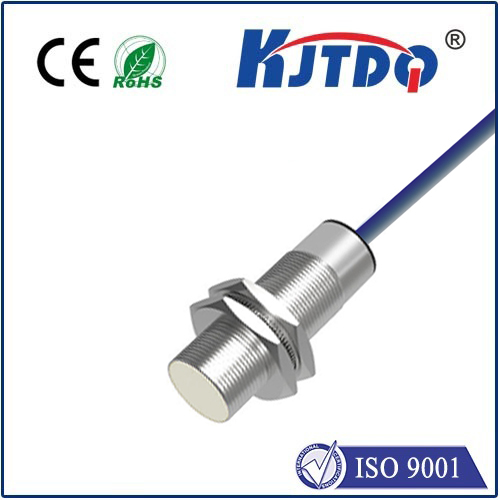
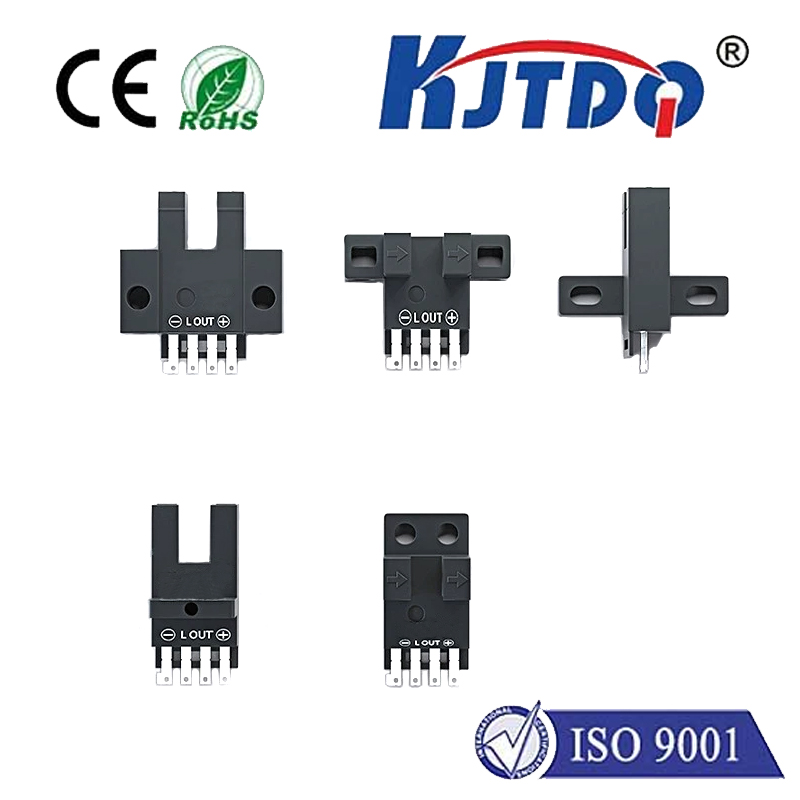
On the other hand, a limit switch is a broader category that includes micro switches but extends to other types designed to detect the presence or absence of an object. Limit switches are typically used to define the boundaries of mechanical movement, such as in conveyor systems or robotic arms. They activate when a physical actuator, like a lever or roller, is triggered by an object reaching a specific point. This action sends a signal to stop, start, or change the direction of a machine, ensuring safe and controlled operation. For example, in manufacturing lines, limit switches prevent over-travel of components, reducing wear and tear on equipment. While micro switches can serve as limit switches due to their precision, not all limit switches are micro switches—some may use different mechanisms like proximity sensors or photoelectric cells.
The synergy between micro switches and limit switches lies in their ability to enhance system safety and efficiency. In automotive applications, micro switches are embedded in brake pedals to activate brake lights, while limit switches monitor gear positions in transmissions. In home appliances like washing machines, micro switches confirm lid closure, and limit switches regulate water levels. This integration ensures that devices operate only under safe conditions, minimizing risks of malfunction or injury.
When selecting between these switches, factors such as environmental conditions, load capacity, and actuation force must be considered. Micro switches excel in low-current applications and spaces where size constraints exist, thanks to their miniature design. They are often rated for specific electrical loads, such as 5A at 125VAC, and can handle temperatures ranging from -40°C to 85°C. Limit switches, meanwhile, may be chosen for heavier-duty tasks, with options like waterproof or explosion-proof housings for harsh industrial environments. Proper installation and maintenance are crucial; regular inspection for wear, corrosion, or misalignment can prevent failures that lead to downtime.
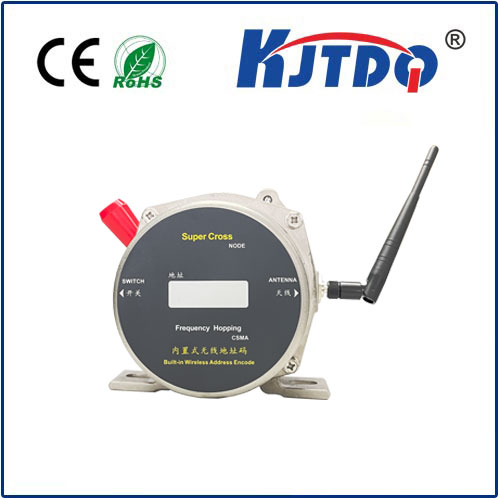
Innovations in switch technology continue to evolve, with trends toward miniaturization and smart features. Modern micro switches now incorporate materials like gold-plated contacts for better conductivity and longevity, while limit switches integrate wireless connectivity for remote monitoring. These advancements support the growing demand for IoT-enabled systems, where real-time data from switches can predict maintenance needs and optimize performance.
In summary, micro switches and limit switches are indispensable tools in achieving precise control across diverse sectors. By leveraging their unique characteristics, professionals can design systems that are not only efficient but also resilient to operational stresses. Whether in a factory setting or everyday electronics, these switches form the backbone of reliable automation, underscoring their importance in modern engineering. As technology progresses, their roles will likely expand, driving further innovations in safety and productivity.