Проверка
Проверка
Проверка
Проверка
Проверка
Проверка
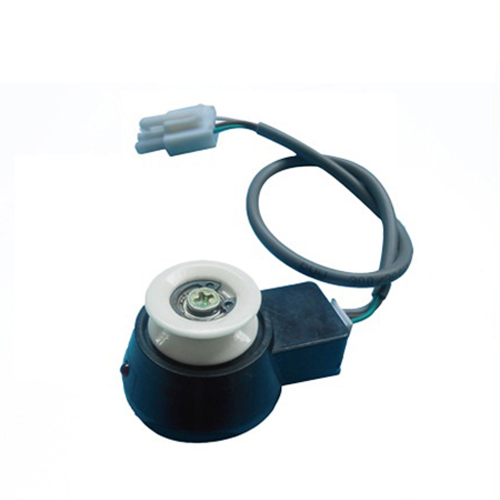
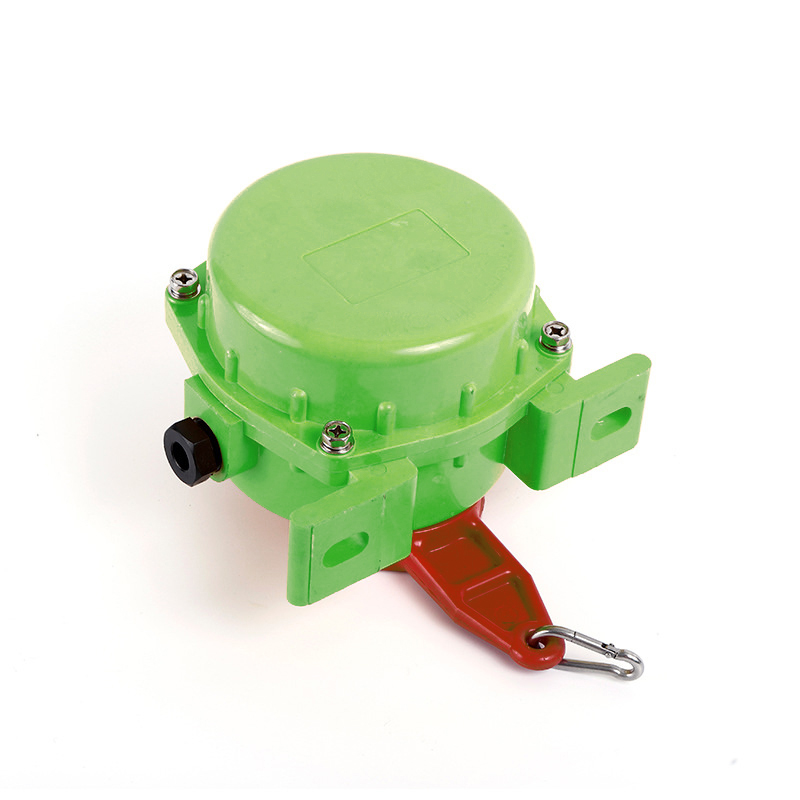
In the realm of industrial automation, precision and reliability are paramount. Among the myriad components that ensure seamless operations, the coil spring limit switch stands out as a critical device for controlling machinery movement and preventing potential hazards. This switch, often integrated into systems requiring exact positioning or motion limits, plays a vital role in enhancing both safety and efficiency across various sectors, from manufacturing to robotics.
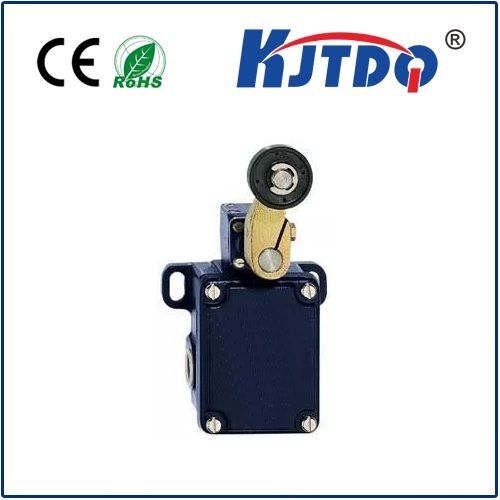
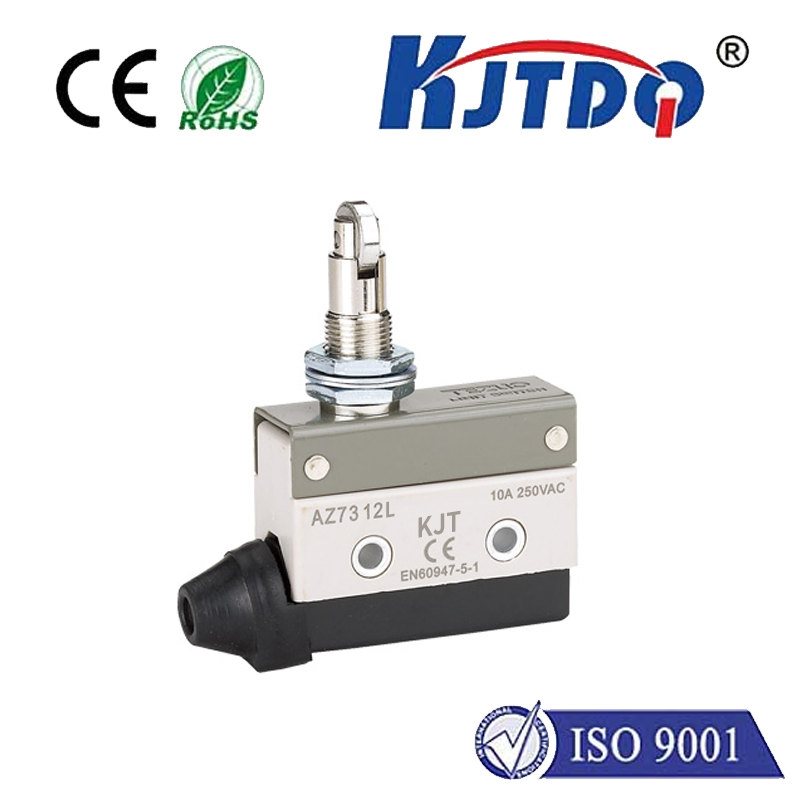
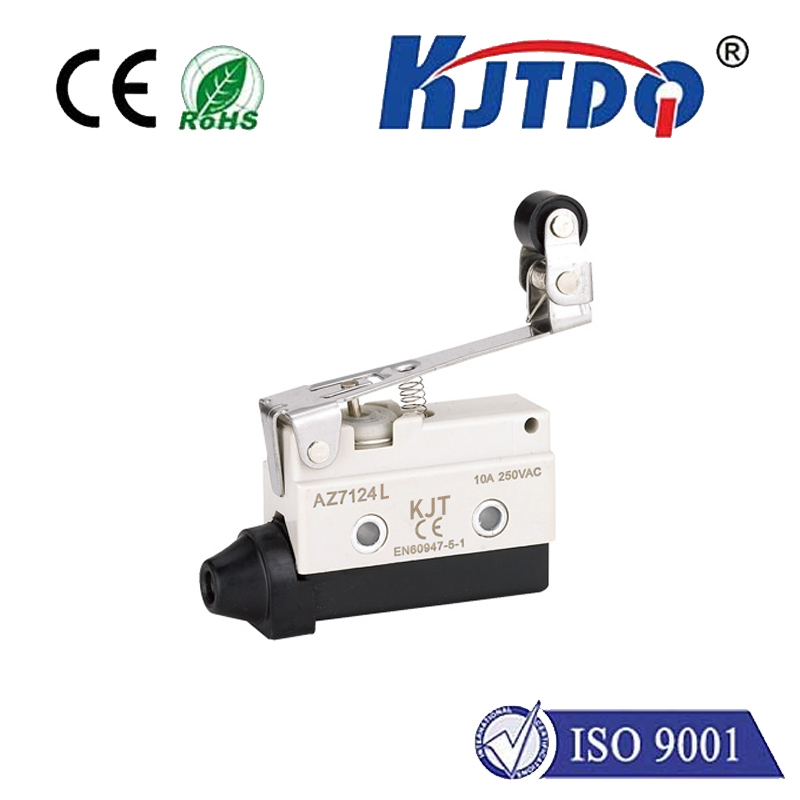
A coil spring limit switch operates by utilizing a spring mechanism that activates or deactivates an electrical circuit when a predetermined limit is reached. As machinery moves, the spring compresses or extends upon contact with an object or at a specific point, triggering the switch to send a signal. This action can halt a motor, reverse direction, or initiate another sequence, thereby preventing overtravel, collisions, or damage to equipment. The design typically includes a durable housing to withstand harsh industrial environments, such as exposure to dust, moisture, or extreme temperatures, ensuring long-term performance without frequent maintenance.
The applications of coil spring limit switches are diverse and impactful. In conveyor systems, they help manage material flow by detecting the presence or absence of items, optimizing throughput and reducing jams. In automated assembly lines, these switches ensure robotic arms stop at precise locations, improving accuracy in tasks like welding or packaging. Additionally, in heavy machinery like cranes or lifts, they serve as safety interlocks to prevent overloading or unintended movements, safeguarding operators and assets. The versatility of coil spring limit switches makes them indispensable in industries where motion control is essential for productivity and risk mitigation.
One key advantage of coil spring limit switches is their simplicity and robustness. Unlike more complex electronic sensors, they rely on mechanical action, which can be more reliable in scenarios where electrical interference or power fluctuations occur. This mechanical nature also allows for easy installation and adjustment, enabling technicians to set limits quickly without extensive calibration. Moreover, modern iterations often incorporate enhancements like sealed contacts or corrosion-resistant materials, extending their lifespan even in demanding conditions such as outdoor installations or chemical processing plants.
When selecting a coil spring limit switch, factors like actuation force, travel distance, and electrical ratings must be considered to match specific operational needs. For instance, a switch with a lighter spring might be suitable for delicate applications, while heavier-duty versions can handle high-impact loads. Compatibility with control systems, such as PLCs (Programmable Logic Controllers), is also crucial for seamless integration into automated networks. By choosing the right switch, businesses can optimize performance, reduce downtime, and comply with safety regulations, ultimately boosting overall operational efficiency.
In conclusion, the coil spring limit switch is a foundational component in industrial automation, offering a reliable solution for motion control and safety. Its mechanical design ensures durability and ease of use, while its applications span from simple machinery to complex automated systems. As industries continue to evolve toward greater automation and smart manufacturing, the role of these switches remains integral, providing the precision needed to drive innovation and protect investments. By understanding their functionality and benefits, engineers and operators can leverage coil spring limit switches to create safer, more efficient workplaces, underscoring their importance in the modern industrial landscape.