Проверка
Проверка
Проверка
Проверка
Проверка
Проверка
In the complex world of industrial automation and process control, precision and reliability are non-negotiable. Among the myriad of components that ensure seamless operations, the limit control switch stands as a critical guardian of both machinery and process integrity. This device, often overlooked, is fundamental in defining the boundaries of motion, position, and sequence in countless applications.
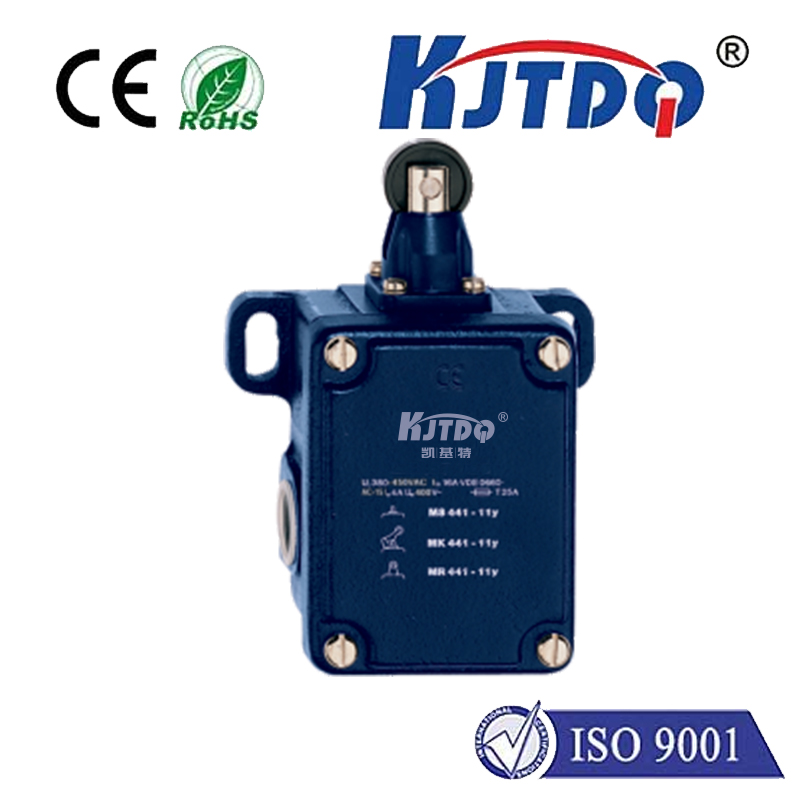
A limit control switch is an electromechanical device designed to detect the presence or absence of an object, or to monitor and control the limits of movement. It operates on a simple yet profound principle: when a machine part or object makes physical contact with the switch's actuator, it triggers an electrical circuit to either initiate or halt a specific action. This mechanism is indispensable for preventing over-travel, ensuring accurate positioning, and providing essential safety interlocks.
The applications of limit control switches are vast and varied. In manufacturing assembly lines, they are used to confirm the correct positioning of components, ensuring robotic arms or conveyor belts stop at precise locations. Within the material handling sector, these switches prevent cranes and hoists from exceeding their safe travel limits, thereby avoiding catastrophic collisions or equipment damage. In packaging machinery, they control the fill levels and ensure proper sealing sequences. Even in everyday elevators, limit switches are silently at work, signaling the cabin to stop accurately at each floor level.
When selecting a limit control switch for a specific application, several key factors must be considered. The environment is paramount; switches may need to withstand extreme temperatures, moisture, dust, or corrosive substances. Industrial-grade limit switches often come with robust housings rated by IP (Ingress Protection) standards to ensure durability. The type of actuator—lever, roller, plunger, or whisker—is chosen based on the nature of the contact required. Furthermore, electrical specifications such as voltage, current rating, and the type of output contact (normally open or normally closed) must align perfectly with the control system's requirements.
The advantages of implementing reliable limit control switches extend far beyond basic functionality. Firstly, they are a cornerstone of operational safety, providing a fail-safe mechanism that protects both personnel and expensive capital equipment from harm due to mechanical failure or operator error. Secondly, they enhance precision, leading to consistent product quality and reduced waste. Thirdly, by automating limit detection, they contribute to higher overall equipment effectiveness (OEE) by minimizing downtime caused by malfunctions or manual interventions. Their simple design also translates to ease of installation, maintenance, and troubleshooting compared to more complex sensor systems.
Modern advancements have further evolved the traditional limit switch. While electromechanical versions remain highly popular due to their simplicity and cost-effectiveness, solid-state proximity switches offer non-contact alternatives for applications requiring high-speed operation or where physical contact is undesirable. However, the classic limit control switch continues to be favored for its tangible, positive-action feedback and inherent resistance to electrical noise.
Integration into a broader control system is straightforward. The switch is typically wired into a programmable logic controller (PLC) or a relay circuit. When the actuator is triggered, it sends a discrete signal that the control system interprets as a command to execute a pre-programmed sequence, such as stopping a motor, reversing direction, or activating the next step in a process. Regular maintenance, including checking for mechanical wear on the actuator and ensuring tight electrical connections, is crucial for long-term reliability.
In conclusion, the limit control switch is an unsung hero in industrial automation. Its role in enforcing physical boundaries and ensuring sequential integrity is vital for safe, efficient, and precise operations across industries from automotive to pharmaceuticals. Understanding its function, proper selection criteria, and integration methods is essential for engineers and technicians aiming to optimize system performance and uphold the highest safety standards. As industries continue to push towards greater automation and smarter manufacturing, the fundamental principle of the limit switch—providing a definitive, reliable signal based on a physical limit—will remain irreplaceably relevant.