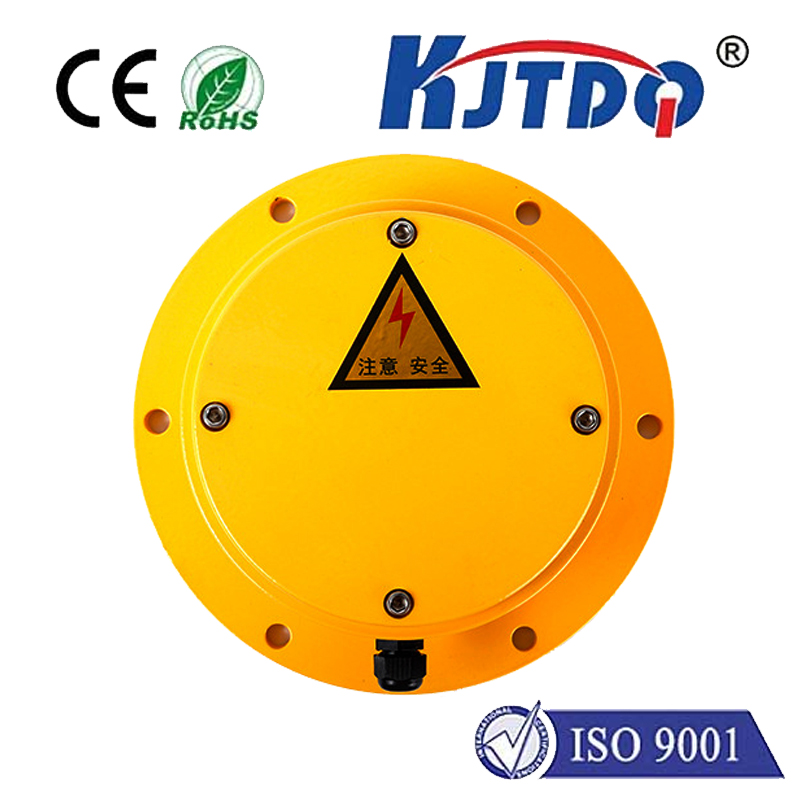
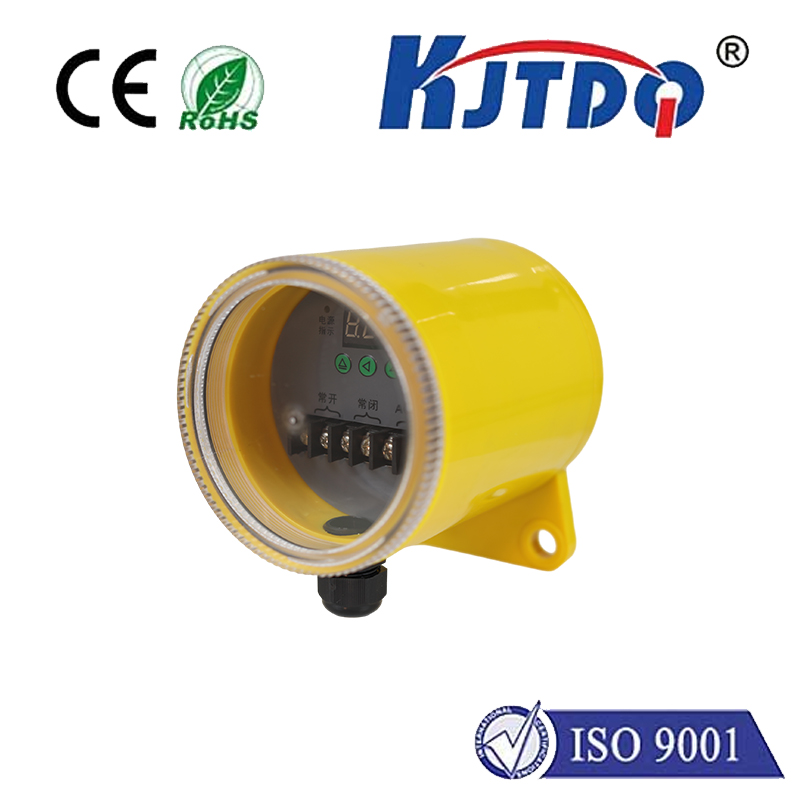
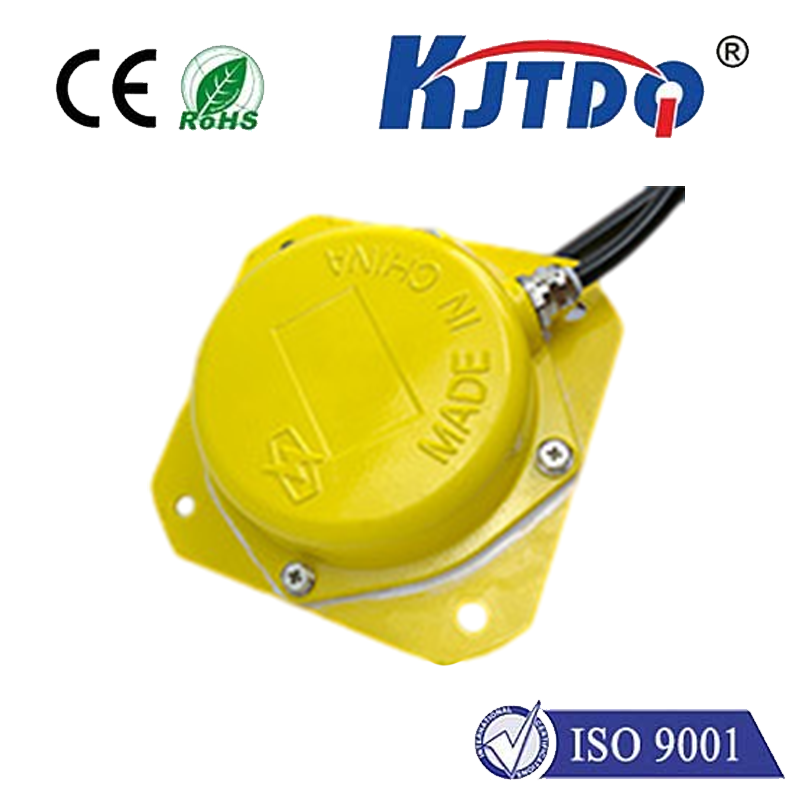
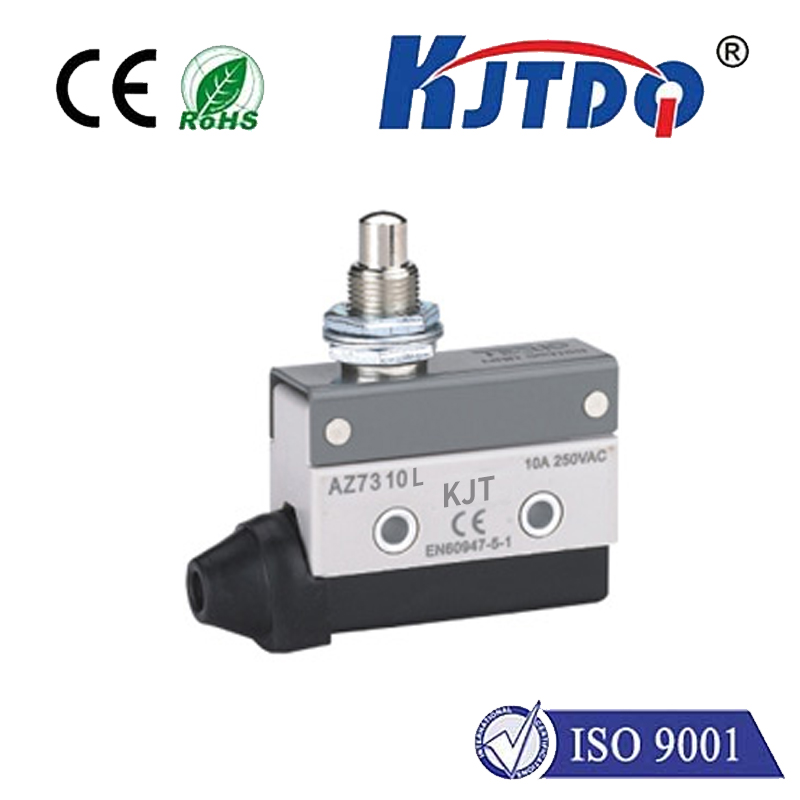
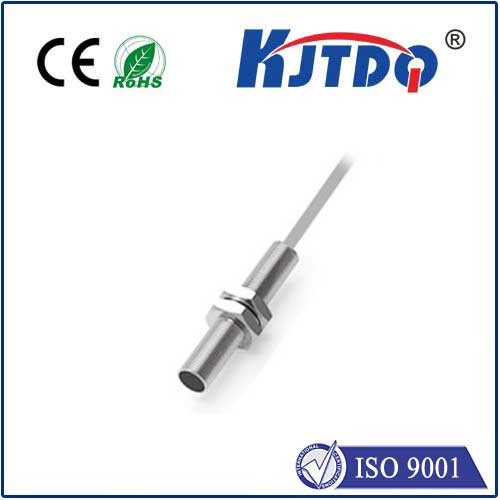
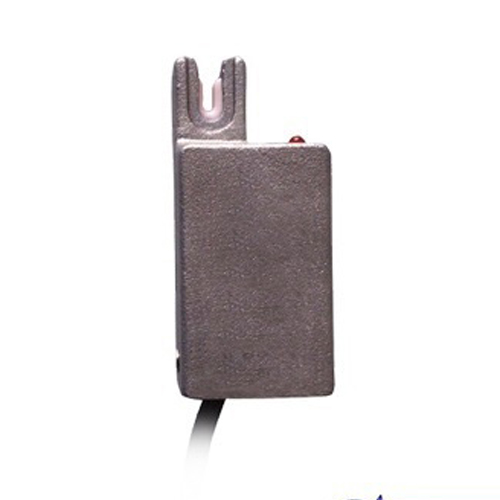
In the rapidly evolving landscape of industrial automation, precision control and reliable safety mechanisms are paramount. The programmable limit switch (PLS), often integrated into systems like the KJTDQ series, represents a significant leap forward from traditional mechanical limit switches. Unlike their conventional counterparts that rely on physical actuators and cams, programmable limit switches are electronic devices that use sensors to detect position, speed, or other parameters, sending programmable logic commands to a controller. This fundamental shift offers unparalleled flexibility and intelligence in machine operation.
The core advantage of a programmable limit switch lies in its programmability. Engineers can set and adjust operational limits—such as the start point, stop point, or reversal point of a linear actuator or rotating shaft—directly through software interfaces. This eliminates the need for manual, time-consuming mechanical adjustments and recalibrations. For instance, in a packaging line where product sizes change frequently, a PLS can be reprogrammed in minutes to accommodate new dimensions, dramatically reducing downtime and enhancing production agility. The KJTDQ series, known for its robust design and user-friendly programming, exemplifies this adaptability in harsh industrial environments.
Furthermore, programmable limit switches contribute significantly to system diagnostics and predictive maintenance. They provide continuous feedback on machine performance, allowing operators to monitor trends and detect anomalies before they lead to catastrophic failure. This data-driven approach minimizes unplanned stoppages and extends the lifespan of critical machinery. The integration of a PLS like the KJTDQ into a broader Industrial Internet of Things (IIoT) ecosystem enables centralized monitoring and control, fostering smarter, more connected factories.
Safety is another critical domain where programmable limit switches excel. They can be configured with multiple redundant safety thresholds and can initiate complex safety sequences beyond simple stop commands. In applications such as robotic arms or press machines, a PLS ensures that movements are confined to strictly defined safe zones, protecting both equipment and personnel. The reliability and precision of electronic sensing, as found in the KJTDQ models, reduce the risks associated with mechanical wear and tear that can plague traditional limit switches.
From automotive assembly and metal fabrication to material handling and food processing, the applications for programmable limit switches are vast. They are indispensable in coordinating complex sequences of motion, ensuring synchronization between different machine modules, and enabling sophisticated automation routines. The adoption of PLS technology, particularly reliable versions like the KJTDQ, translates directly into improved product quality, higher throughput, and lower operational costs.
In conclusion, the programmable limit switch is more than just a replacement for a mechanical component; it is a cornerstone of modern intelligent automation. Its ability to offer customizable control, rich diagnostic data, enhanced safety, and seamless integration makes it a vital tool for industries aiming to boost efficiency and competitiveness. As automation continues to advance, the role of sophisticated PLS solutions, including the KJTDQ series, will only become more central in shaping the future of manufacturing and industrial processes.