Проверка
Проверка
Проверка
Проверка
Проверка
Проверка
In the complex world of industrial machinery and heavy equipment, safety mechanisms are not just accessories; they are fundamental pillars that prevent catastrophic failures. Among these vital components, the boom limit switch stands out as a crucial guardian. This device, often overlooked until it is needed most, serves as the definitive stop signal for moving booms on cranes, excavators, and aerial work platforms. Its primary function is to prevent the boom from exceeding its safe operational range, thereby averting potential tip-overs, structural damage, or collisions.
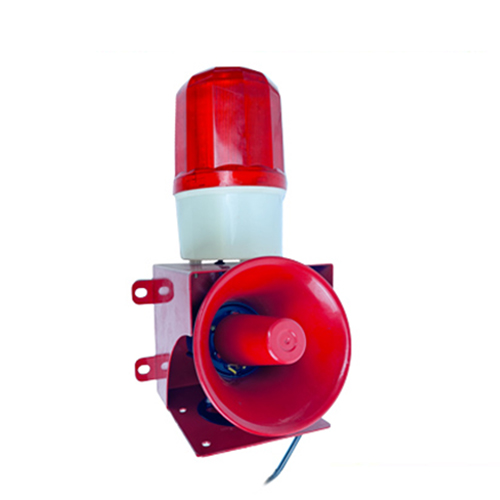
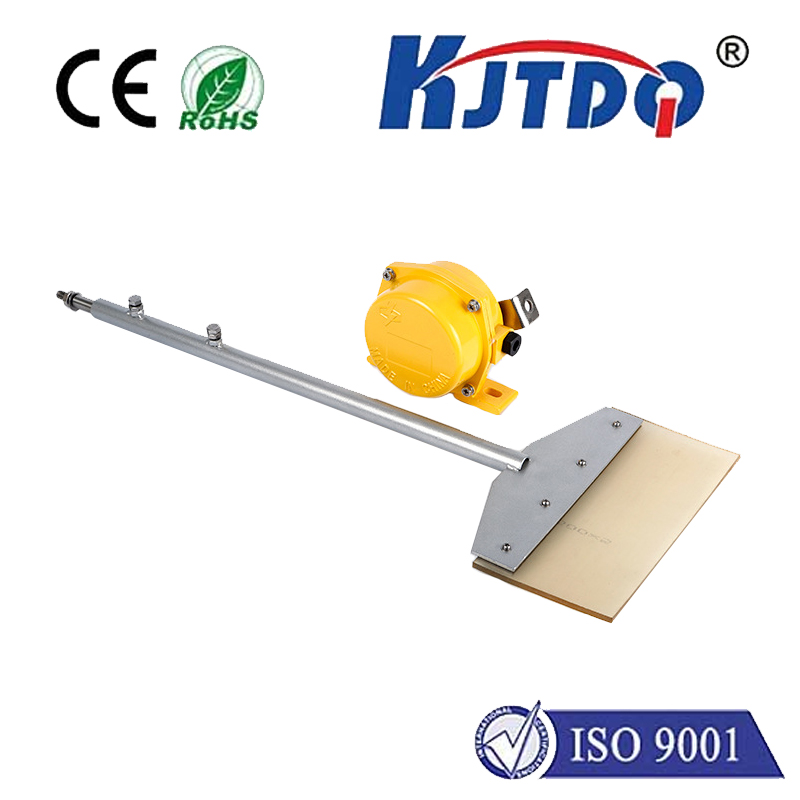
The operational principle of a boom limit switch is elegantly simple yet profoundly effective. Typically, it consists of a sensor or a series of sensors strategically mounted on the boom's pivot points or along its length. These sensors are connected to the machine's control system. As the boom articulates, the switch monitors its angle or extension. When the boom approaches a pre-set limit—a point deemed the maximum safe angle or reach—the switch is triggered. This activation immediately sends a signal to the control unit, which can initiate a series of automatic safety responses. The most common response is to cut power to the boom's hydraulic system or activate a brake, halting further movement in the dangerous direction. Some advanced systems will also sound an alarm in the operator's cabin, providing both an automated and an auditory warning.
The importance of a reliable boom limit switch cannot be overstated, especially in high-stakes environments like construction sites, shipping ports, and utility maintenance. Without this fail-safe, an operator, possibly due to obscured sightlines or a moment of distraction, could inadvertently swing or extend the boom beyond its mechanical limits. The consequences range from costly damage to the machine itself to devastating workplace accidents involving injury or loss of life. Furthermore, exceeding design limits places immense stress on the boom's structure, leading to metal fatigue and microfractures that compromise long-term integrity and lead to premature, expensive failures.
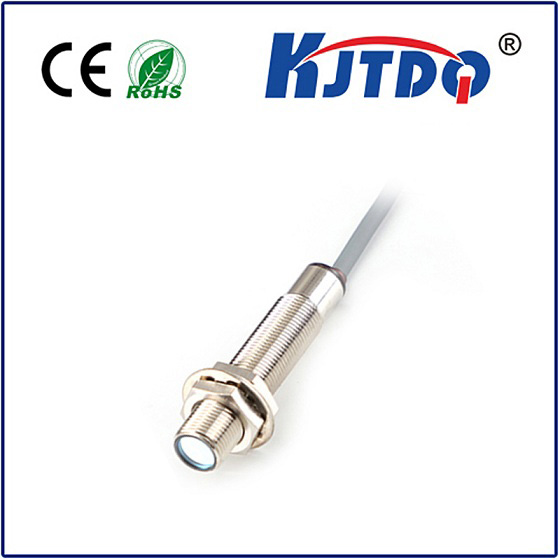
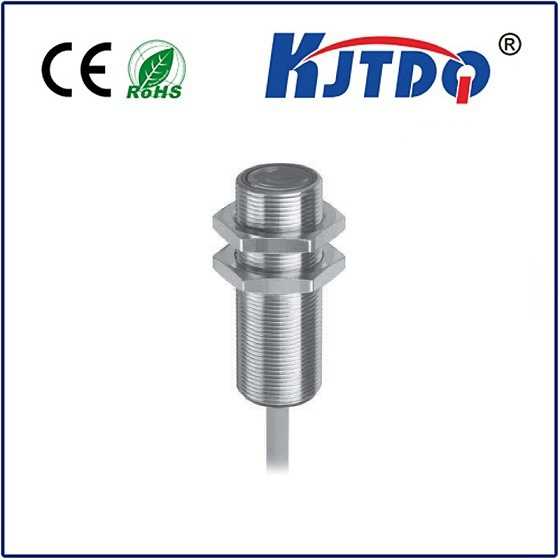
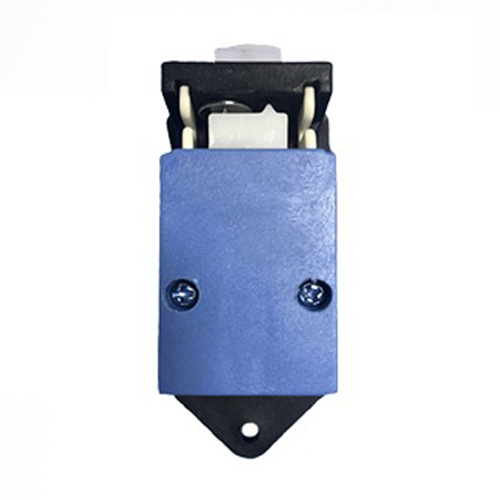
Selecting the right boom limit switch involves careful consideration of several factors. Durability is paramount, as the device must withstand harsh conditions including extreme temperatures, vibration, moisture, and dust. Industrial-grade switches with robust housings (often IP67-rated or higher for dust and water resistance) are essential. The type of sensor also matters; common variants include rotary cam limit switches, which are mechanically actuated, and non-contact proximity sensors like inductive or magnetic types, which offer longer life with no physical wear. The choice depends on the required precision, environmental challenges, and maintenance preferences. Integration with the machine's existing electronic control system is another critical step, ensuring seamless communication and response.
Regular inspection and maintenance of the boom limit switch are non-negotiable for ongoing safety. This routine should include visual checks for physical damage, testing the switch's activation at least during pre-shift equipment inspections, and verifying that the control system responds correctly. Connections should be checked for corrosion or looseness. Like any mechanical or electronic component, these switches can wear out or fail. A proactive maintenance schedule ensures that this critical safety feature remains in perfect working order, providing peace of mind and operational continuity.
In conclusion, the boom limit switch is a quintessential example of a small component with an enormous responsibility. It embodies the principle of proactive risk management in industrial operations. By understanding its function, ensuring proper selection, and committing to rigorous maintenance, equipment owners and operators can significantly enhance on-site safety, protect valuable assets, and foster a culture of responsibility. In the relentless pursuit of industrial efficiency, the boom limit switch remains an indispensable sentinel, quietly ensuring that every movement stays within the bounds of safety.