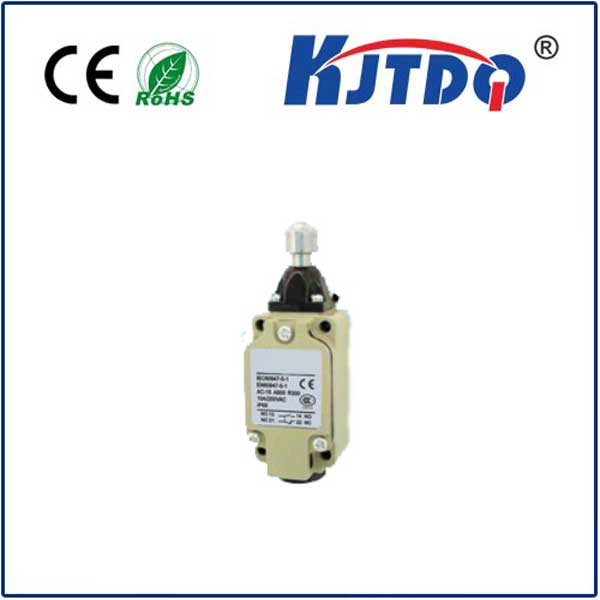
In the intricate world of automation and control systems, precision and reliability are non-negotiable. Among the myriad components that ensure seamless operation, the limit switch stands as a fundamental sentinel. Specifically, the 5V limit switch has carved out a critical niche in modern electronics and compact machinery, where low-voltage operation is paramount. This guide delves into the essence of the 5V limit switch, exploring its functionality, key applications, and the distinct advantages it offers to engineers and hobbyists alike.
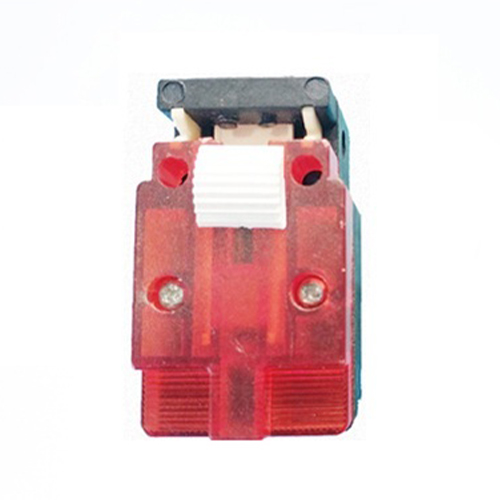
A limit switch, at its core, is an electromechanical device designed to detect the presence or absence of an object, or to monitor the limits of movement. It typically consists of an actuator mechanically linked to a set of contacts. When an object contacts the actuator, the switch operates to either make or break an electrical connection. The "5V" designation refers to its operational voltage, making it perfectly suited for low-voltage DC circuits commonly found in microcontroller-based projects, such as those using Arduino, Raspberry Pi, or other embedded systems. Unlike their higher-voltage industrial counterparts, these switches are engineered for sensitivity and compatibility with delicate digital logic.
The applications for a 5V limit switch are vast and varied. In the realm of 3D printing, they serve as essential end-stops, homing the print head to a known reference point with each cycle, ensuring layer accuracy and print consistency. Within small-scale robotics, these switches provide crucial feedback for arm movement or vehicle navigation, preventing mechanisms from over-traveling and causing damage. DIY CNC machines and automated model railways also rely heavily on these compact sensors for positional control. Their low power consumption and direct interface capability with microcontrollers eliminate the need for additional signal conditioning modules, simplifying circuit design and reducing overall project cost.
Choosing the right 5V limit switch involves considering several technical parameters. The actuator type—be it roller lever, plunger, or whisker—determines the method of contact and the force required for activation. The electrical rating, while low at 5V, still has current-carrying capacity limits that must be respected to ensure longevity. Durability, expressed in mechanical life (number of actuations), is another critical factor, especially in high-cycle applications. Sealing ratings (like IP67) are vital for switches deployed in environments exposed to dust or moisture. Furthermore, the output type, whether normally open (NO), normally closed (NC), or changeover (SPDT), defines the circuit logic upon activation.
The benefits of integrating a 5V limit switch are compelling. First and foremost is safety; they provide a simple, fail-safe method to halt a process at a predefined physical limit, protecting both equipment and operators. They enhance system accuracy by providing repeatable physical position feedback, which is often more reliable than purely software-based estimations in small-scale applications. Their simplicity translates to robustness and ease of troubleshooting. From a design perspective, their small form factor allows for integration into tight spaces, a common constraint in consumer electronics and compact automation. Finally, their cost-effectiveness makes them an accessible solution for prototyping and large-scale production alike.
When implementing a 5V limit switch, proper installation is key to performance. The switch must be securely mounted to withstand repeated actuation forces without shifting. Alignment between the actuator and the triggering object must be precise to ensure consistent operation and prevent premature wear. Wiring should be neat and secure, with attention paid to preventing noise interference in sensitive digital input lines. For microcontroller interfaces, enabling internal pull-up resistors is a common practice to ensure a clean logic high/low signal. Regular maintenance, such as checking for loose connections and cleaning the actuator mechanism, will maximize operational life.
In conclusion, the humble 5V limit switch is a powerhouse of functionality in miniature. It bridges the physical and digital worlds, providing a reliable, straightforward, and efficient solution for position sensing and motion control in low-voltage environments. Whether you are refining a complex automated assembly line or building your first robotic project, understanding and utilizing this component can significantly elevate the reliability and intelligence of your system. Its role as a fundamental building block in precision control is both enduring and indispensable.