Проверка
Проверка
Проверка
Проверка
Проверка
Проверка
In the world of CNC machining and automated systems, precision, repeatability, and safety are non-negotiable. This is where the humble yet critical component, the limit switch, plays a starring role. Among the various options available to makers, engineers, and manufacturers, OpenBuilds limit switches have carved out a reputation for reliability and seamless integration. This guide delves into why these switches are essential and how they elevate your projects.
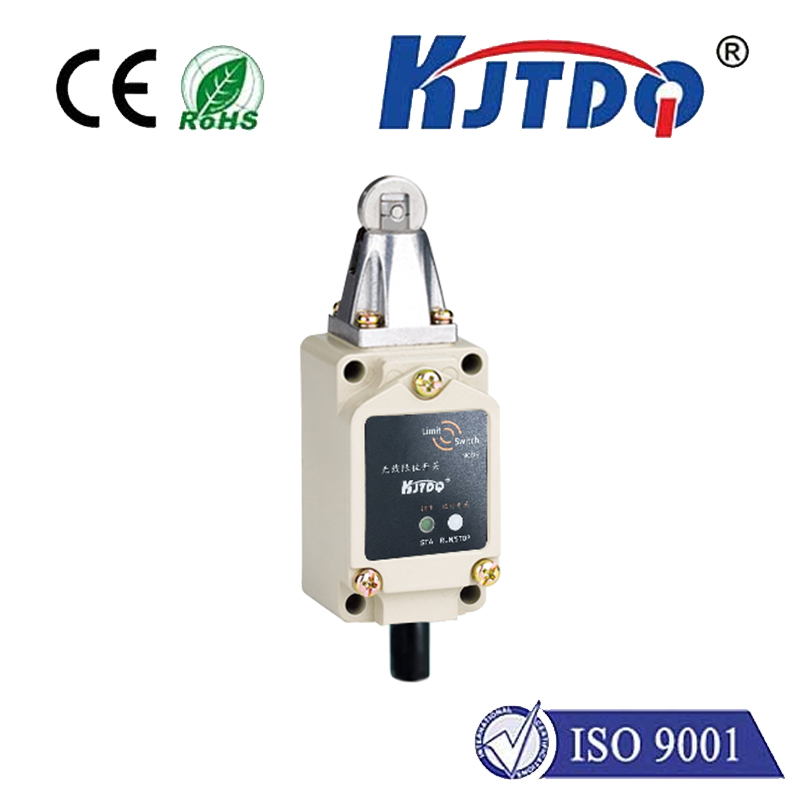
At its core, a limit switch is an electromechanical device designed to detect the presence or absence of an object, or to monitor the boundaries of mechanical movement. In CNC routers, 3D printers, laser cutters, and other automated machinery, they act as sentinels. Their primary function is to define the physical travel limits of an axis, preventing the machine's moving parts—like the gantry or spindle—from crashing into the frame or exceeding its intended operational range. This not only protects expensive hardware from catastrophic damage but also ensures consistent accuracy by providing a reliable reference point, or "home" position, for the machine.
OpenBuilds, a community-driven brand renowned for its open-source hardware and modular framing systems, offers limit switches that complement its ecosystem perfectly. These switches are typically designed for easy mounting on OpenBuilds V-Slot aluminum extrusions, using standard T-nuts and bolts. This design philosophy eliminates the need for complex brackets or custom fabrication, saving significant time and effort during assembly and calibration.
The operational principle is straightforward. The switch contains a mechanical actuator (like a lever or plunger) connected to internal electrical contacts. When a moving part of the machine, often a specially designed trigger or the carriage itself, presses against this actuator, it changes the state of the contacts. This sends a clear electrical signal to the machine's controller—such as a GRBL, Smoothieboard, or Duet board—which immediately halts motion in that direction or registers the position for homing sequences. This instant feedback loop is what makes automated precision possible.
Why choose OpenBuilds limit switches specifically? The advantages are clear. First is seamless integration. They are physically and electronically compatible with the popular OpenBuilds control systems and motor drivers, reducing compatibility headaches. Second is durability. Built to withstand the vibrations and occasional debris of a workshop environment, they offer robust performance. Third is community support. Being part of the OpenBuilds ecosystem means access to extensive documentation, forums, and user-shared modifications, providing invaluable resources for troubleshooting and optimization.
Implementing these switches effectively requires careful planning. The placement is crucial; they must be positioned so the machine triggers them just before reaching the absolute physical limit. Wiring is another key consideration. Most OpenBuilds switches use a simple three-wire configuration (VCC, GND, and Signal) and can be connected directly to the control board's dedicated limit switch pins. Proper wiring and shielding are essential to prevent electrical noise from causing false triggers. Finally, configuration within the machine's firmware, like setting the homing routine and travel limits in software such as UGS or Mach3, completes the setup.
Beyond basic limit detection, these switches unlock advanced functionalities. The most common is the automated homing sequence. At the start of a job, the machine can rapidly move each axis until it touches the limit switch, establishing a precise and repeatable zero point. This ensures every cut or print starts from an identical position, which is vital for multi-part jobs or resuming work after a pause. They are also fundamental for enabling safety features like soft limits in software, which create a virtual boundary within the physical one for an added layer of protection.
For users building or upgrading a CNC machine, investing in reliable limit switches like those from OpenBuilds is not an optional extra; it's a cornerstone of professional operation. They transform a collection of motors and frames into an intelligent, self-aware system capable of complex, unattended tasks with confidence. The small investment in these components pays massive dividends in preventing costly crashes, reducing material waste from misaligned jobs, and extending the overall lifespan of your equipment. In the pursuit of flawless machining, the OpenBuilds limit switch stands as a silent guardian, ensuring every movement is calculated, safe, and precise.