Проверка
Проверка
Проверка
Проверка
Проверка
Проверка
In the world of CNC machining, where microns matter and operational safety is paramount, the spindle limit switch stands as a critical, yet often overlooked, component. This unassuming device plays a pivotal role in defining the boundaries of spindle movement, directly influencing machining accuracy, equipment longevity, and operator safety. Unlike standard switches, a spindle limit switch is engineered to withstand the harsh environment of a machine shop, including exposure to coolant, metal shavings, vibration, and repetitive mechanical stress.
The primary function of a spindle limit switch is to establish precise travel limits for the machine spindle. By defining the endpoints of its linear or rotational path, it prevents the spindle from over-traveling, which could lead to catastrophic collisions with the workpiece, tooling, or the machine structure itself. This precise limitation is not just about preventing crashes; it is fundamental for repeatability. In high-volume production runs, the spindle must return to an exact "home" or reference position for every cycle. The consistent actuation of the limit switch ensures this, guaranteeing that each part is machined identically, thereby upholding tight tolerances and reducing scrap rates.
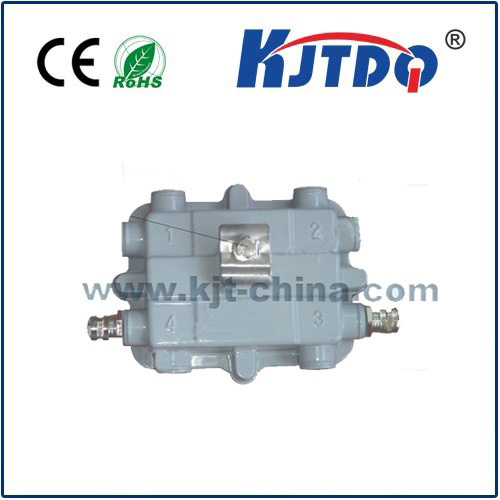
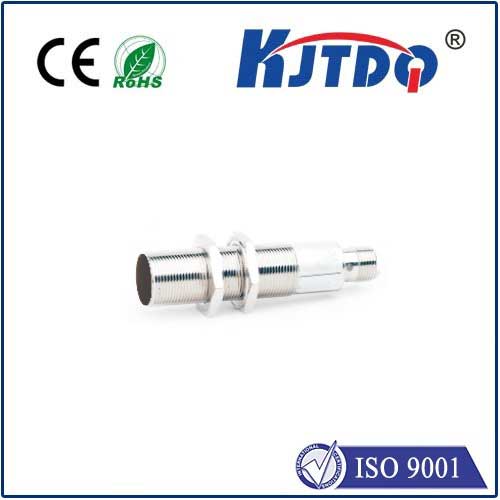
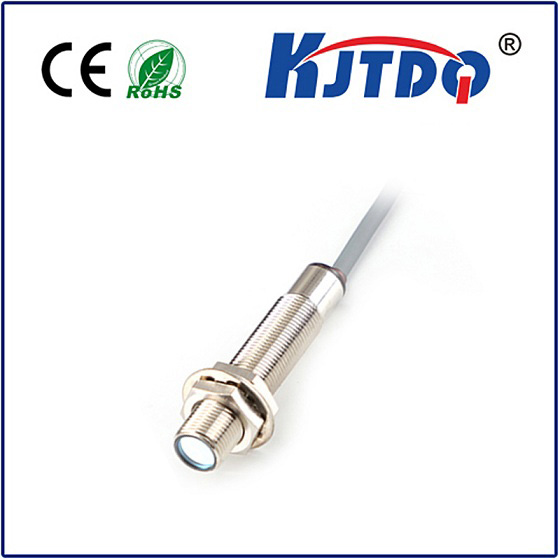
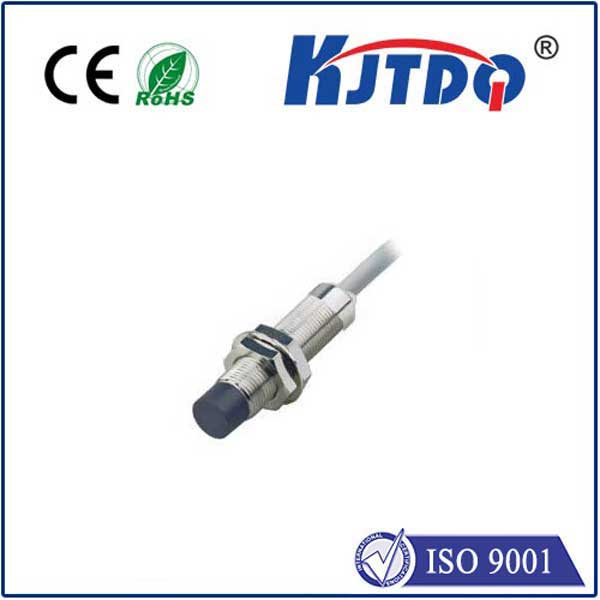
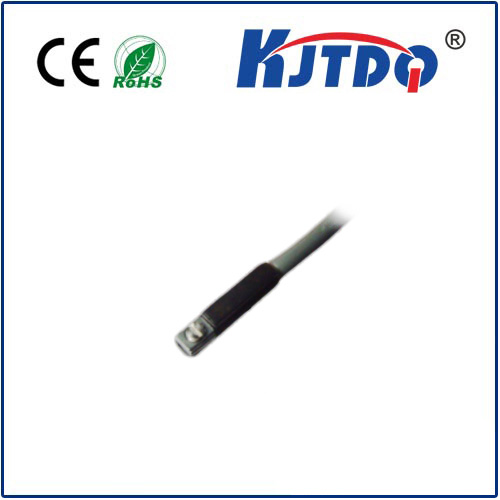
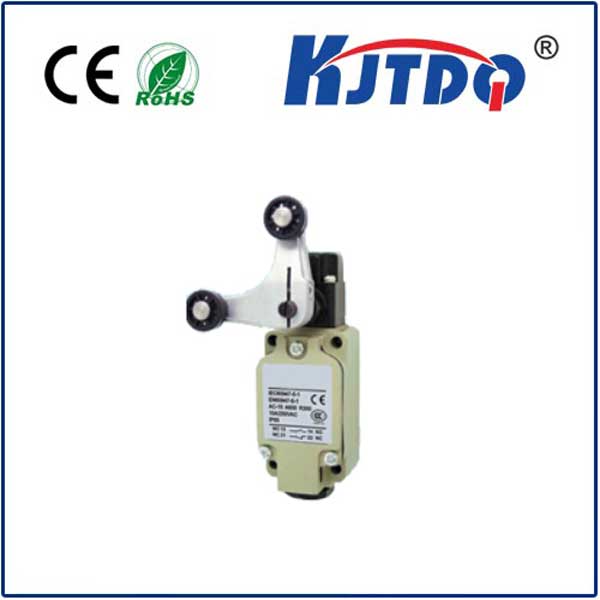
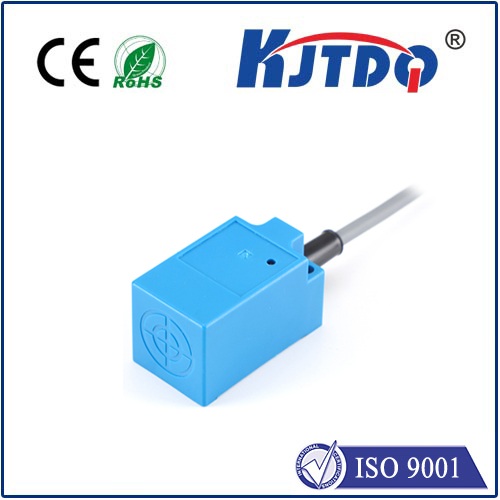
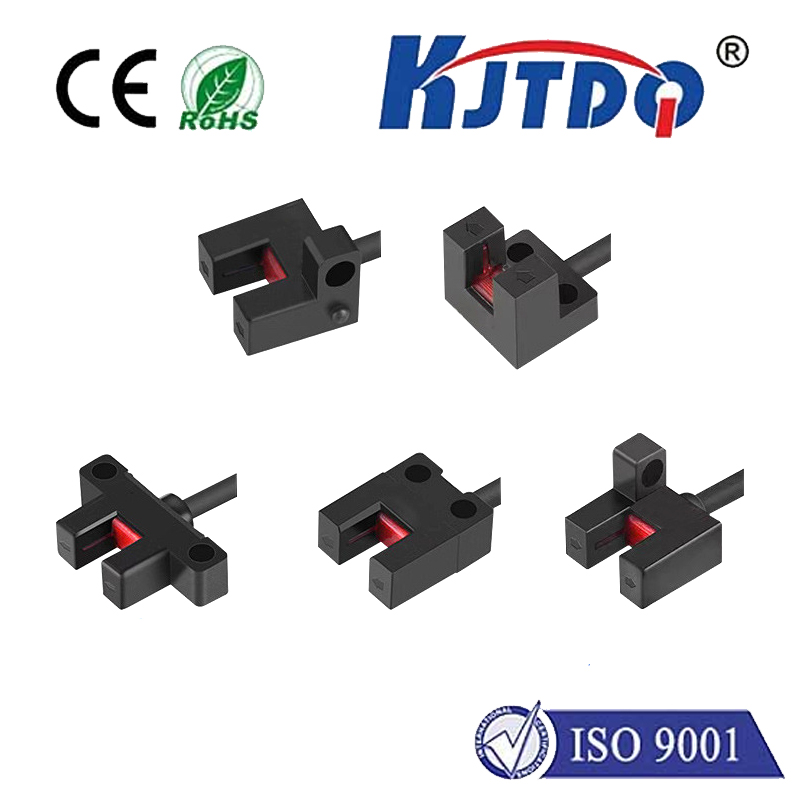
Modern spindle limit switches are marvels of reliability engineering. They often employ robust sealing to achieve high Ingress Protection (IP) ratings, safeguarding internal contacts from contaminants. The actuation mechanisms are designed for millions of cycles without failure. Common types include mechanical lever-arm switches, where physical contact triggers the signal, and non-contact variants like inductive or magnetic proximity sensors. Non-contact switches are particularly valuable in spindle applications as they eliminate mechanical wear, offer faster response times, and are immune to physical debris interference.
The integration of a high-quality limit switch into the machine's control system creates a vital safety interlock. It acts as a fail-safe. If a program error or a mechanical fault causes the spindle to move beyond its programmed coordinates, the limit switch sends an immediate signal to the CNC controller. The controller can then execute an emergency stop (E-stop), halting all axis drives and spindle rotation to prevent damage and protect personnel. This function is indispensable for protecting expensive spindles, which are the heart of any CNC machine. Replacing a damaged high-speed spindle involves significant cost and prolonged machine downtime.
Beyond basic limit functions, advanced switches contribute to smarter machine operation. Some models provide diagnostic feedback, signaling not just an "on/off" state but also monitoring their own health. This predictive maintenance capability allows operators to schedule switch replacement before a failure occurs, avoiding unplanned production stoppages. Furthermore, precise limit switching enables complex automated sequences, such as tool changing in machining centers, where the spindle must orient and position itself with absolute accuracy for the automatic tool changer to engage correctly.
Selecting the right spindle limit switch requires careful consideration. Key factors include the operating environment (temperature, contaminants), required switching frequency, electrical specifications (voltage, current), physical size constraints, and the type of output signal needed (e.g., PNP/NPN for PLCs). It is crucial to choose a switch specifically rated for industrial duty cycles and environmental resistance. Compromising on quality here can lead to frequent failures, inaccurate positioning, and ultimately, compromised part quality and machine safety.
In conclusion, the spindle limit switch is a foundational element for precision, efficiency, and safety in automated manufacturing. It is the silent guardian that enforces mechanical boundaries, enabling the high-speed, high-accuracy performance expected from modern CNC equipment. Investing in reliable, well-engineered limit switches is not an expense but a strategic investment in machine uptime, product quality, and workplace safety. As machining technology advances towards greater autonomy and interconnectedness, the role of these robust sensors will only become more critical in ensuring seamless and secure operation.