In the intricate world of industrial automation and process control, precision and safety are paramount. Among the myriad of components ensuring these standards, the limit value switch stands as a critical, yet often understated, guardian. This device, fundamental to countless mechanical and automated systems, serves as a sentinel, monitoring position and movement to trigger specific actions when a predetermined limit is reached.
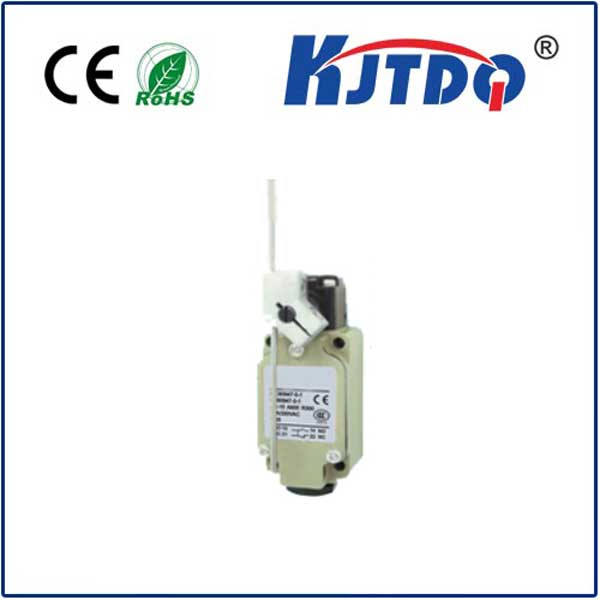
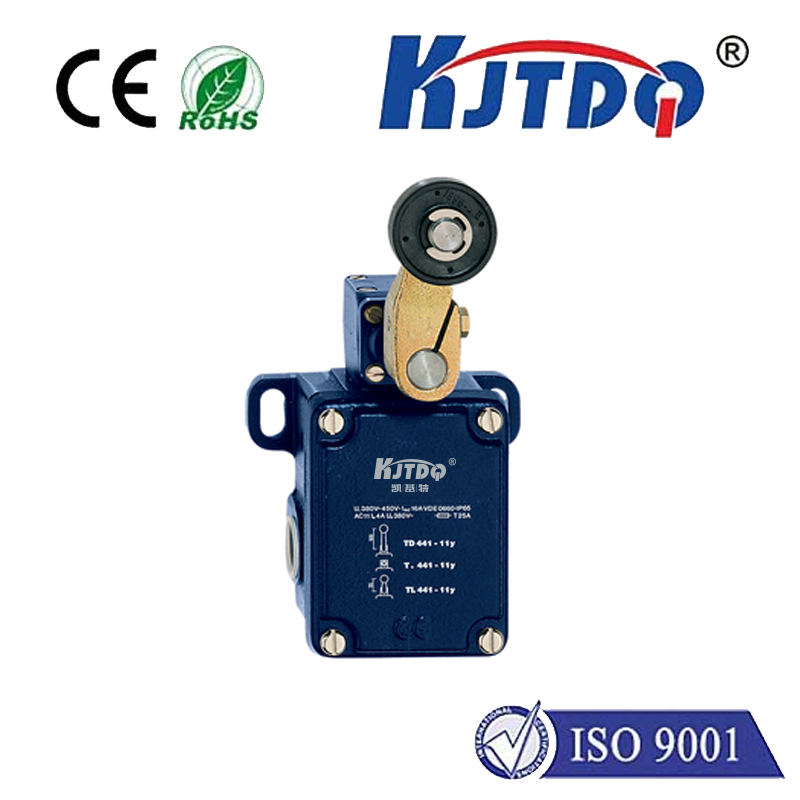
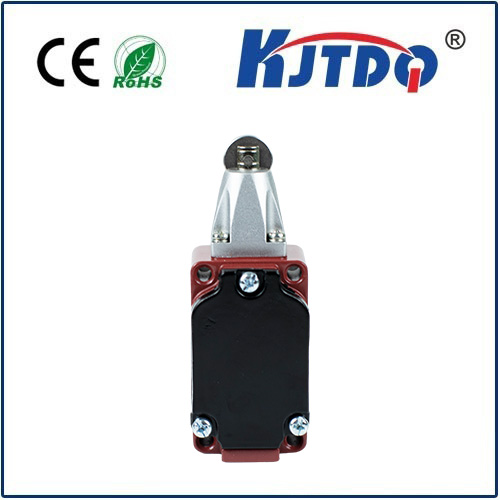
At its core, a limit value switch is an electromechanical device designed to detect the presence or absence of an object, or to monitor its position, and subsequently open or close an electrical contact. This simple action forms the basis for complex control logic. Imagine a robotic arm on an assembly line. Its range of motion must be strictly controlled to prevent collisions, over-extension, or damage to itself and surrounding equipment. Limit switches are strategically placed at the physical boundaries of its safe operational path. When the arm reaches one of these limits, the switch is actuated—typically by a lever, roller, or plunger making contact—sending an immediate signal to the central control system to stop or reverse the motion. This prevents mechanical failure and enhances operational safety.
The applications of limit value switches extend far beyond robotics. They are ubiquitous in material handling systems, such as conveyor belts and elevators, to detect when an item has reached the end of a line or when an elevator car is perfectly aligned with a floor. In machine tools, they ensure cutting heads or worktables do not travel beyond their intended coordinates, safeguarding both the tool and the workpiece. Within the realm of safety, these switches are integral to interlock systems on machine guards and access doors, ensuring machinery cannot operate unless protective covers are securely in place.
Selecting the appropriate limit switch involves careful consideration of several factors. The operating environment is crucial. Switches come in various housing materials and ingress protection (IP) ratings to withstand conditions like dust, moisture, oil, extreme temperatures, and corrosive atmospheres. The actuation method—whether by lever, roller, push-button, or fork—must match the physical interaction with the target object. Electrical specifications, including voltage, current rating (both for the load and the switch itself), and the type of contact (normally open or normally closed), must align with the control circuit's requirements. Furthermore, mechanical life expectancy, defined by the number of operating cycles, is a key determinant for high-frequency applications.
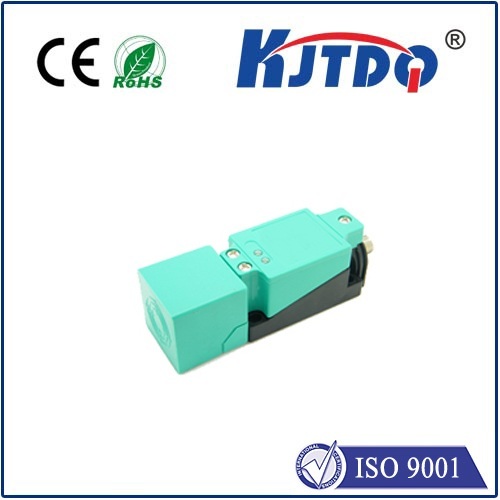
While modern sensor technologies like inductive, capacitive, and optical sensors offer contactless detection, the traditional electromechanical limit value switch retains significant advantages. Its robustness, simplicity, and direct physical feedback make it exceptionally reliable in harsh industrial environments. Its operation is easily understood and diagnosed by maintenance personnel without sophisticated diagnostic tools. The physical "click" or tactile confirmation of actuation provides an immediate, unambiguous signal that is often preferred for critical safety functions.
Proper installation and maintenance are vital for optimal performance and longevity. Switches must be mounted securely to prevent vibration-induced misalignment. The actuator should engage smoothly and fully without excessive force or shock loading. Regular inspection for wear on the actuator mechanism, checking for loose connections, and verifying the integrity of the housing seal are standard preventative measures. Keeping the actuator and contact area free from debris buildup ensures consistent operation.
In conclusion, the limit value switch remains an indispensable component in automation. Its role in providing definitive positional feedback, enabling precise control sequences, and enforcing critical safety boundaries is irreplaceable in many applications. From simple packaging machines to complex CNC systems, it acts as a fundamental building block for reliable and safe automation. Understanding its function, selection criteria, and maintenance needs allows engineers and technicians to design and uphold systems where movement is controlled, processes are repeatable, and safety is never compromised.